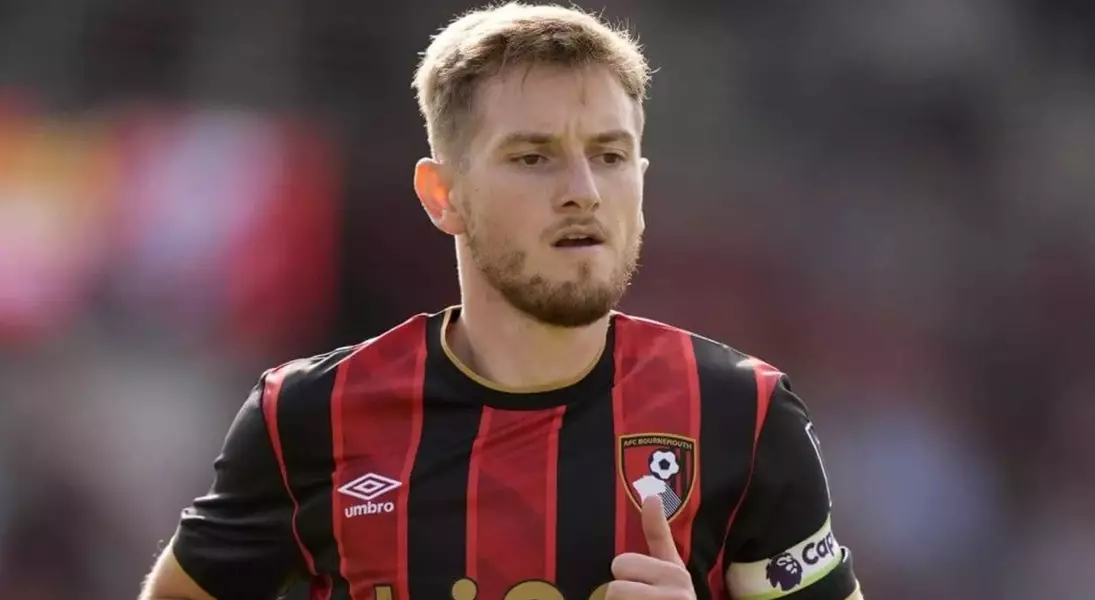
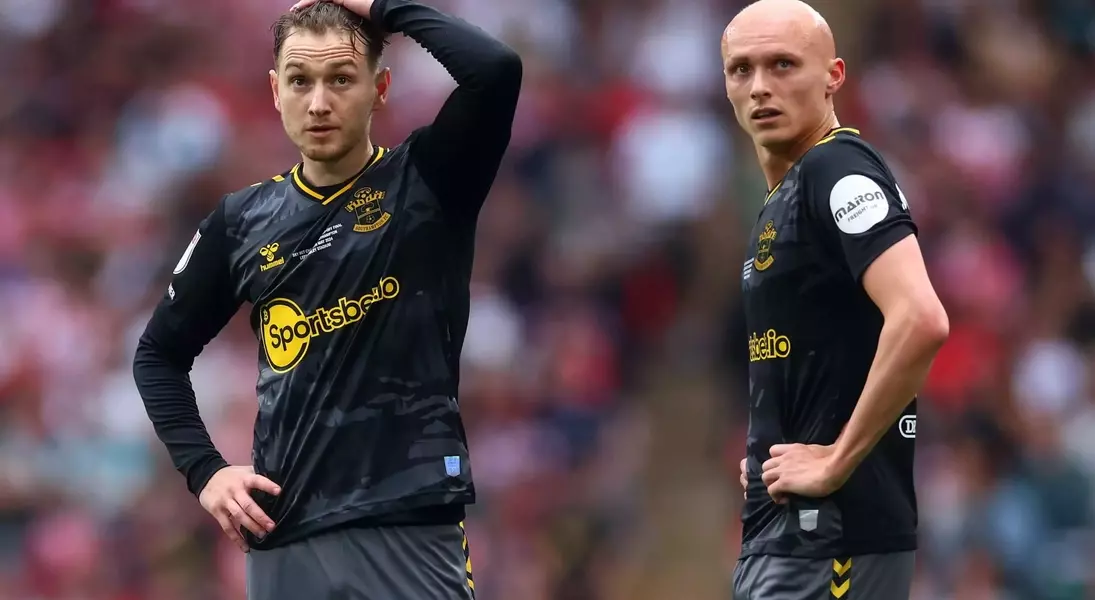
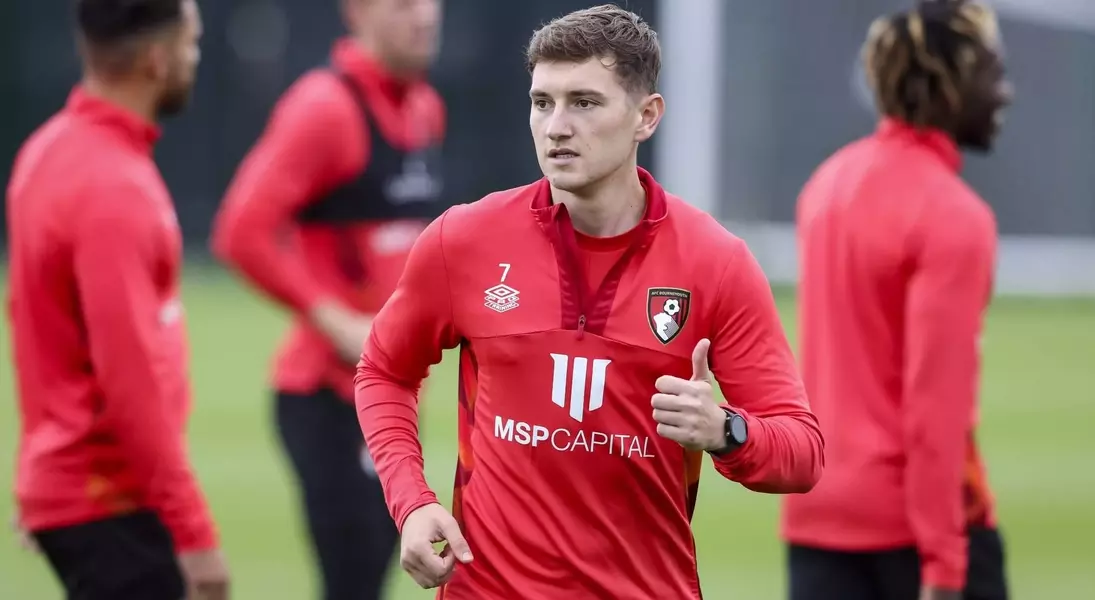
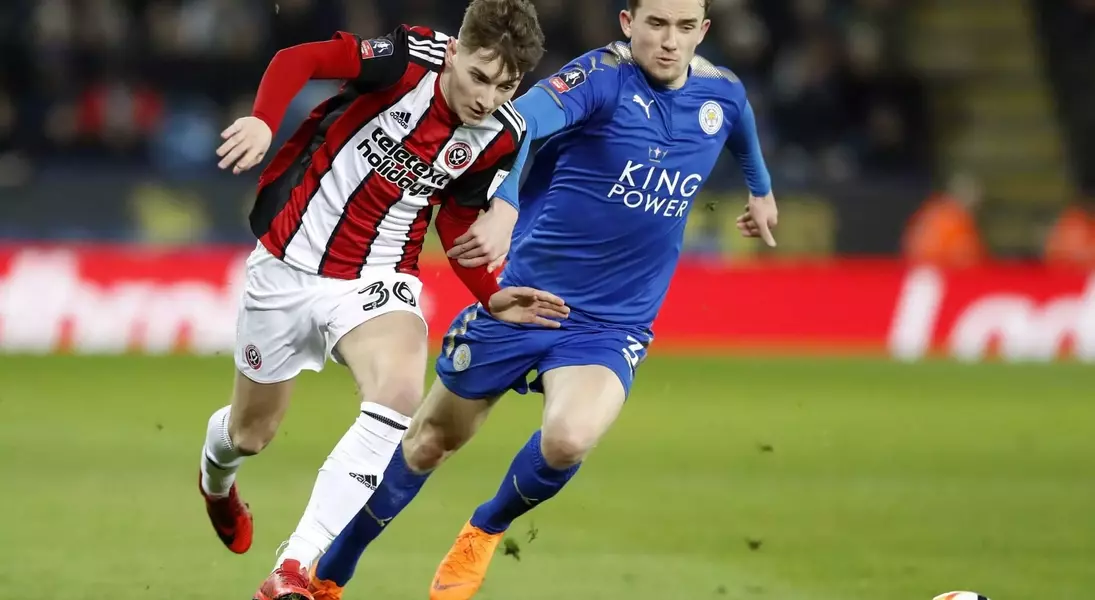
David Brooks's inspiring return to the Premier League exemplifies extraordinary perseverance in the face of significant adversity. After overcoming a severe cancer diagnosis and a series of debilitating injuries, his performance on the pitch is a testament to his unwavering determination. This narrative transcends mere athletic achievement, highlighting the profound mental and physical challenges he navigated to reclaim his position in professional football. It serves as a powerful reminder of the human spirit's capacity to triumph over hardship and pursue one's dreams with relentless resolve.
His story is not just about a footballer's comeback, but a compelling account of resilience, courage, and the unwavering pursuit of excellence, even when confronted with life-threatening obstacles. Brooks's journey back to the pinnacle of his sport is a source of inspiration, demonstrating that with enough grit and a steadfast mindset, it's possible to rebuild and reach new heights against all odds.
The Grueling Road to Recovery
David Brooks's journey back to the top echelons of professional football has been nothing short of remarkable, particularly given the formidable health and injury challenges he has confronted. His battle with Hodgkin lymphoma necessitated intensive chemotherapy, a process he vividly describes as "being poisoned," which profoundly impacted his physical condition. This debilitating treatment left him severely deconditioned, a state far removed from the peak physical demands of a Premier League footballer. The subsequent 598-day hiatus from competitive play, compounded by a hamstring injury and a dislocated shoulder, underscored the immense obstacles in his path. Yet, Brooks's recent performance, marked by an impressive number of sprints and a crucial assist in a high-stakes match, stands as a powerful testament to his unwavering resilience and successful reintegration into elite-level competition.
The physical toll of chemotherapy was immense, stripping him of muscle mass and leaving him with a feeling of profound exhaustion even after minimal exertion. He humorously recalls reviewing footage from a training session post-treatment, realizing he was "so overweight and not moving how I usually move," which he believes contributed to subsequent injuries. The mental fortitude required to overcome such a comprehensive physical regression, coupled with the frustration of repeated injury setbacks, cannot be overstated. His unwavering belief, despite moments of doubt, allowed him to push through grueling rehabilitation and regain the fitness, form, and confidence necessary to compete at the highest level. This comeback is not just about physical healing but a triumph of spirit, demonstrating an extraordinary commitment to his craft and an unyielding will to overcome formidable personal battles.
Reclaiming His Place in Elite Football
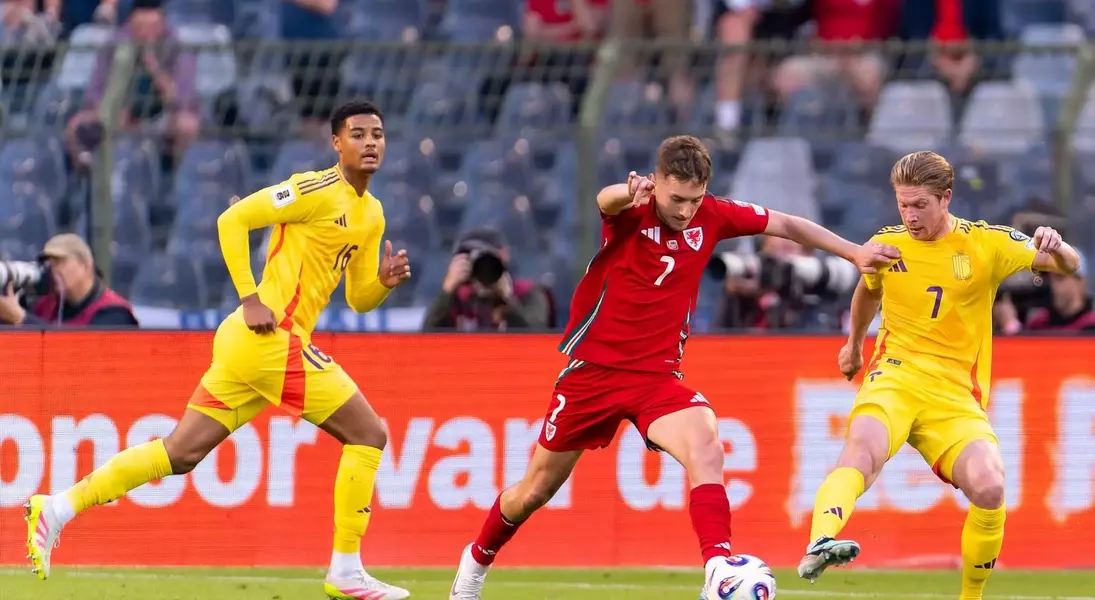
Brooks's return to peak form in the Premier League, notably his instrumental role in Bournemouth's attacking play and pressing strategy, signifies a triumphant reclamation of his career. His ability to record the highest number of sprints in the season's opening weekend, coupled with a decisive assist, underscores not only his physical recovery but also his tactical integration and renewed confidence. This resurgence is particularly significant as it follows a full pre-season with his parent club, allowing him to fully re-establish his rhythm and connection with the team. Beyond club aspirations, Brooks harbors a strong desire to represent Wales in the next World Cup, an ambition that adds another layer of motivation to his continued resurgence on the international stage.
The path back was fraught with challenges that went beyond his illness. Released by Manchester City at 17, he navigated the tough realities of lower-league football, including a loan spell at non-League Halifax Town, which he describes as a "culture shock." These early experiences, though difficult, instilled a deep-seated resilience and a pragmatic understanding of the sport's demands. His growth, both physically and skillfully, at Sheffield United eventually led him to Bournemouth, where he quickly made an impact, even earning a Young Player of the Year nomination. This history of overcoming setbacks, combined with his recent battle with cancer, has forged a player with not only exceptional talent but also an unyielding mental toughness. His current form and ambition to play in the World Cup are vivid indicators of a player who has not just returned, but thrived, against all expectations.
