The initial matches of the football season frequently cast a long shadow, influencing critical decisions by club management. This comprehensive review delves into the varying degrees of anxiety exhibited by Premier League teams as the summer transfer deadline looms. It highlights how early results, particularly unexpected defeats, can trigger a scramble for new talent, contradicting the notion of calculated long-term planning. The period leading up to September 1st, a pivotal date for player acquisitions, often reveals the true character of a club's leadership and their susceptibility to immediate on-field outcomes.
Premier League Clubs Grapple with Post-Match Realities and Transfer Urgency
As the Premier League season commenced in August 2025, an intriguing dynamic unfolded: the immediate impact of opening weekend results on clubs' transfer strategies. This unique 'panic ranking' assesses teams' urgency to secure new players before the September 1 deadline, revealing a spectrum of reactions from serene confidence to outright desperation.
At the pinnacle of composure, Manchester City showcased remarkable foresight, having initiated key acquisitions like Omar Marmoush and Tijjani Reijnders months in advance. Their dominant 4-0 victory over Wolves on Saturday, August 16, served only to reinforce their tranquil stance. Similarly, Brighton & Hove Albion, despite a last-minute equalizer from Fulham, maintained their characteristic calm, having wrapped up their major signings before early July, embodying a model of proactive planning.
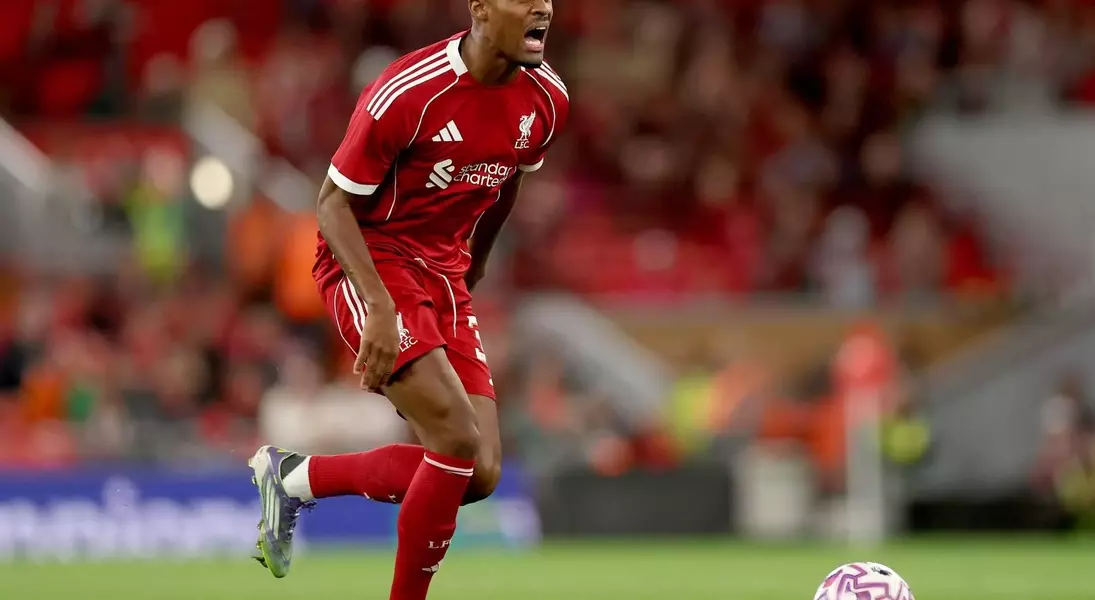
Liverpool, the reigning champions, despite conceding four goals across two initial fixtures against Crystal Palace and Bournemouth, appeared largely unconcerned. Their confidence stemmed from the impending arrival of Ryan Gravenberch, expected to seamlessly fill a crucial midfield void, coupled with the promising performance of Hugo Ekitike.
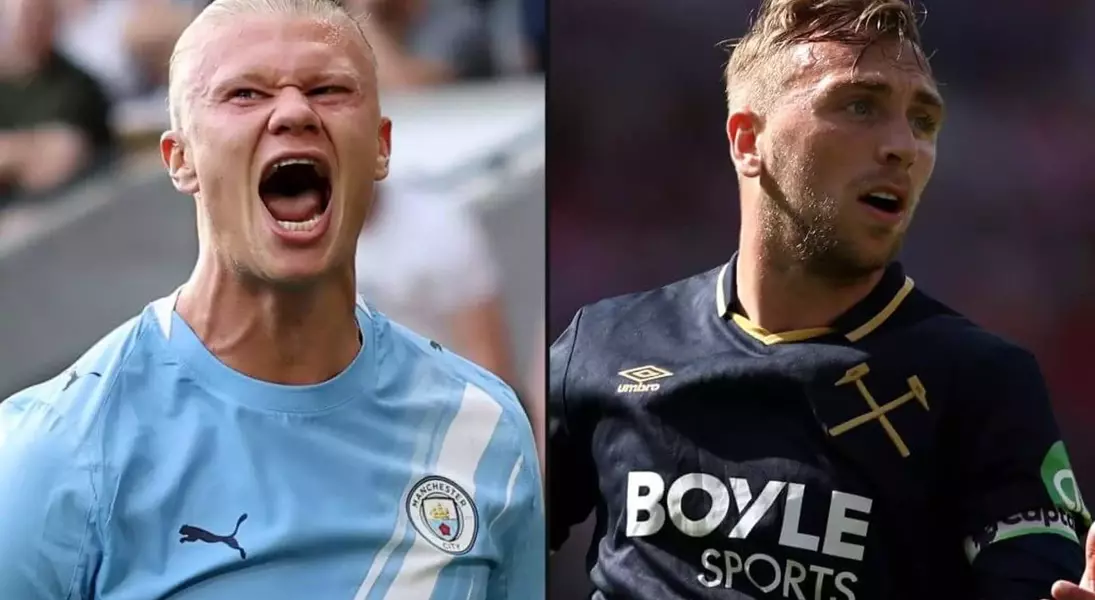
Conversely, the lower echelons of the league exhibited a heightened sense of urgency. West Ham United found themselves in a precarious position following a chastening 3-0 defeat to newly promoted Sunderland. This alarming result, occurring on August 16, immediately sparked fears among their fanbase and reportedly prompted internal discussions, underscoring a rapid descent into panic. The club's vice-chair reportedly issued a vote of confidence in the head coach, a telling sign of early season turmoil.
Even more concerning was the situation at Everton. Their correspondent, Patrick Boyland, and manager David Moyes, publicly articulated concerns about "glaring issues" and a "desperate" need for reinforcements after a dismal 1-0 loss to Leeds United. Played on Monday, August 18, this match highlighted a severe lack of attacking prowess and defensive depth, exacerbated by injuries and underperforming players like striker Beto, whom Moyes openly criticized. Everton's plight, characterized by makeshift lineups and a glaring void in key positions, placed them at the very top of the panic scale.
Other clubs navigated various levels of anxiety. Tottenham Hotspur, while light on squad depth due to injuries to James Maddison and Dejan Kulusevski, projected a relatively calm front, anticipating key arrivals like Eberechi Eze. Arsenal, having secured a notable victory against Manchester United on Sunday, August 17, seemed largely content with their squad, though a left-sided forward remained a potential target.
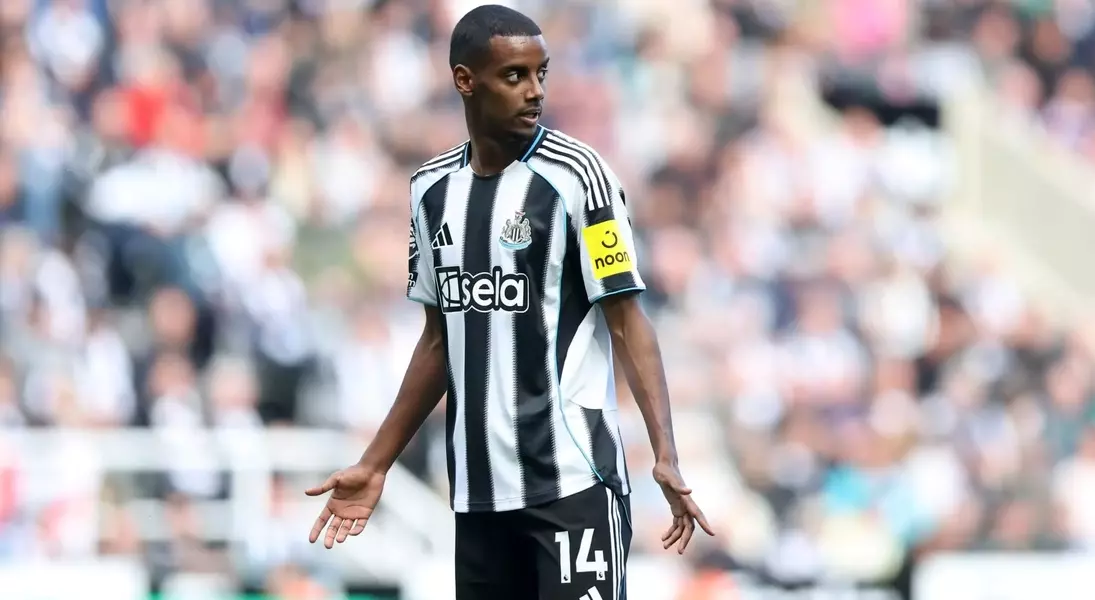
In contrast, Newcastle United, despite securing Malick Thiaw and Jacob Ramsey, felt the creeping unease of mild panic as the Alexander Isak transfer saga continued. Their 0-0 draw against Aston Villa on Saturday, August 16, underscored their need for additional striking options. Nottingham Forest, initially perceived as highly anxious, managed to alleviate some pressure with an impressive win against Brentford and several recent signings, including Omari Hutchinson.
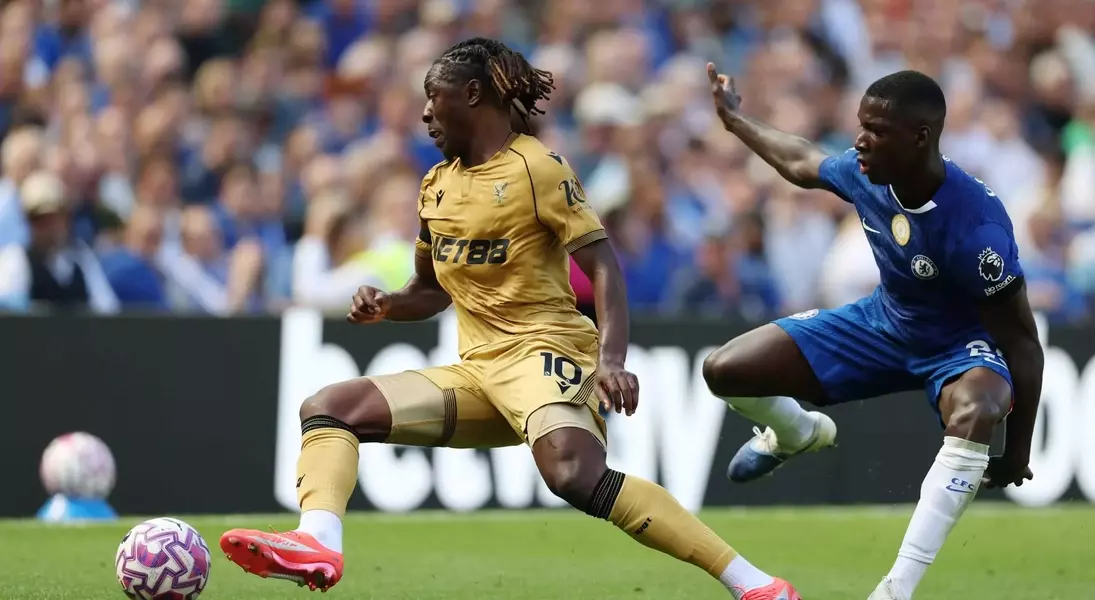
Clubs like Manchester United faced dilemmas concerning their goalkeeping situation and central midfield, while Brentford grappled with the implications of a disheartening 3-1 loss to Nottingham Forest and internal player disputes. Chelsea, despite a massive investment over recent years, found themselves contemplating further expenditures, particularly for a center-back following Levi Colwill's injury, and a new striker after a paltry attacking display against Crystal Palace.
The weekend's events served as a stark reminder that in the high-stakes world of Premier League football, immediate results can profoundly influence transfer decisions, pushing even the most ostensibly rational club executives towards reactive measures.
This dynamic interplay between early season performance and transfer market activity offers a compelling insight into the intense pressures faced by Premier League clubs. It underscores that even the most well-laid plans can be swiftly altered by the unforgiving nature of competitive football. As journalists, we observe a fascinating blend of long-term strategy and impulsive reactions, where a single match can dramatically shift a club's perceived stability and trigger a frantic dash for talent. For supporters, this period is a rollercoaster of hope and despair, highlighting the profound emotional connection they share with their teams. The ultimate lesson from this 'panic ranking' is clear: in football, confidence is fleeting, and the transfer market remains a volatile arena where fortunes can change in the blink of an eye, often driven by the raw, immediate outcomes on the pitch.
