

Marumittu Games' newest release, 'D-topia', published by Annapurna Interactive, offers a unique perspective on the utopian ideal. This adventure game immerses players in a meticulously controlled future society where sentient machines strive to ensure universal contentment. While the game provides engaging, mild puzzles and opportunities for social interaction, it ultimately sidesteps deeper, more critical examinations of its ambitious premise, leaving a sense of unfulfilled potential in its exploration of human happiness within a highly optimized, artificial environment.
The Enigmatic World of D-topia: A Detailed Overview
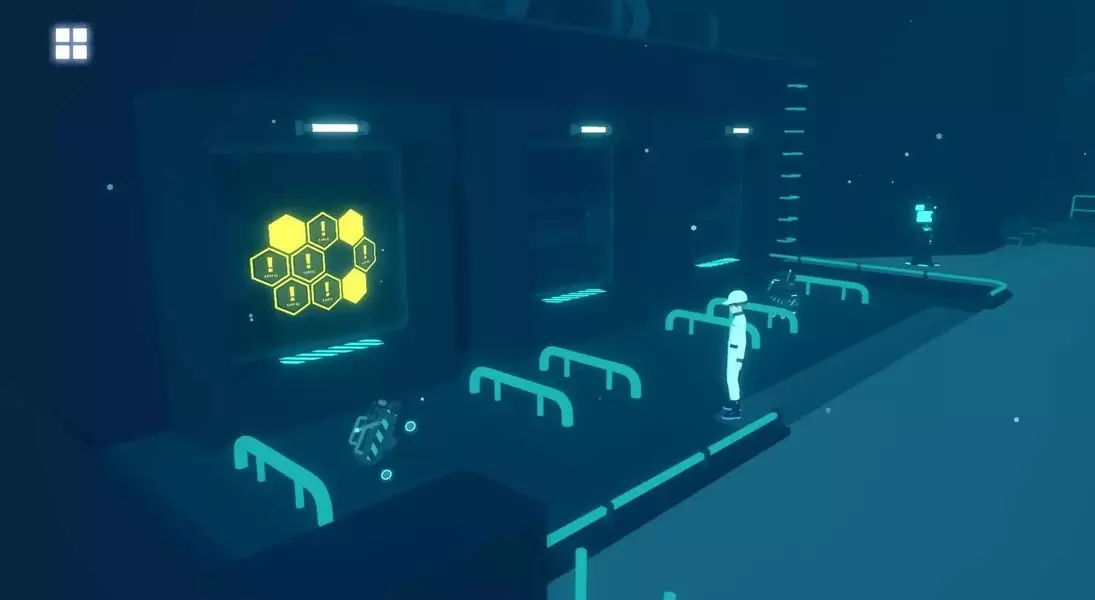
In a not-too-distant future envisioned by Marumittu Games, human existence is meticulously managed within highly structured communities. The 'Utopia Project' is the cornerstone of this societal blueprint, where artificial intelligence governs and an armada of robotic assistants ensures the smooth functioning of daily life, aiming to achieve peak happiness for the majority. Within this meticulously curated world, players assume the role of a human facilitator in 'D-topia', a residential sector where their primary function is to resolve mechanical malfunctions through a series of accessible, number-based puzzles. This core gameplay loop is interspersed with opportunities to assist fellow residents, fostering communal bonds through challenges that AI alone cannot address.
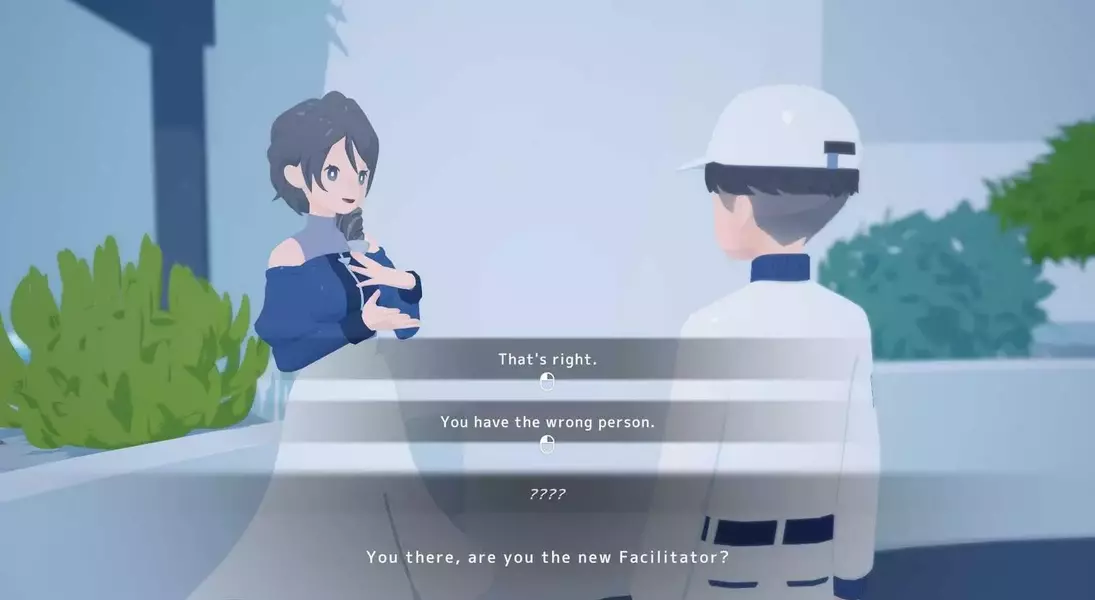
The game unfolds over a structured seven-day cycle, mirroring a placid routine: mornings begin with a prepared meal, followed by a work shift dedicated to puzzle-solving, and afternoons spent engaging with the community. This rhythm cultivates a serene atmosphere, enhanced by soothing musical scores and the pristine, minimalist aesthetics of the environment. Non-player characters (NPCs) communicate in charming, concise reflections reminiscent of philosophical musings, contributing to a tranquil, slice-of-life simulation. While the narrative initially suggests an impending crisis, 'D-topia' maintains its relaxed demeanor, opting for a gentle exploration rather than a stark cautionary tale. The puzzles, while simple, exhibit a certain charm, often involving the strategic placement of numbered boxes or navigation through mazes to unlock exits. Similarly, the game presents moral dilemmas through character interactions, where players must navigate choices that may conflict with the system's protocols. However, the path to an ethically sound resolution is consistently clear, with no tangible repercussions for prioritizing human compassion over rigid algorithmic adherence.
Despite an underlying hint of discord, with whispers of a 'slum' where 'problem people' reside and visual cues suggesting a darker underbelly to 'D-topia's' gleaming facade, the game largely refrains from confronting profound societal issues. The developers appear to prioritize a tone of gentle hope and human adaptability over a scathing critique of technological overreach. The narrative, ultimately, concludes without the expected dramatic confrontations, offering instead a reassuring message about finding connection and joy even within a system that may appear flawed or dispassionate. The emphasis remains on the human capacity for empathy and resilience, portraying modern anxieties as solvable puzzles rather than insurmountable obstacles.
Reflections on D-topia's Utopian Vision
D-topia presents a fascinating, albeit somewhat idealized, exploration of artificial utopia. While its gentle approach and focus on human connection within a technologically governed society are commendable, the game's reluctance to delve into the more challenging implications of such a world feels like a missed opportunity. It prompts us to consider: can true hope flourish without genuine conflict? If all problems have readily apparent solutions, what becomes of our capacity for profound change and growth? The game beautifully illustrates humanity's ability to adapt and find comfort, but it also subtly suggests that such comfort might come at the cost of confronting uncomfortable truths. Ultimately, D-topia encourages reflection on the delicate balance between engineered happiness and the inherent complexities of the human experience, leaving players to ponder whether true progress lies in perfect systems or in our enduring struggle to build a better world.
