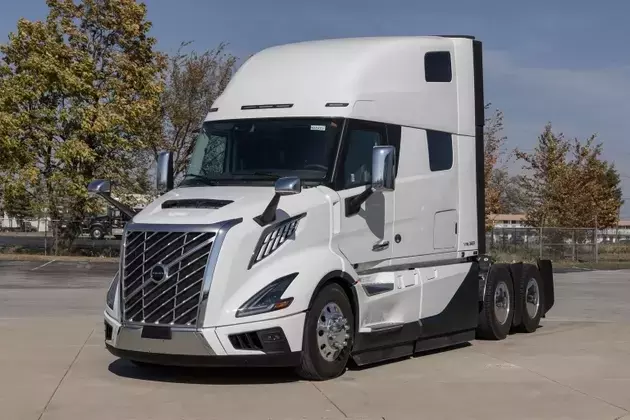
Cummins, a prominent industrial company, finds itself at a pivotal juncture, grappling with a valuation that appears inflated following a substantial 60% surge in its stock price. This upward movement has led to a re-evaluation of its market standing, prompting analysts to assign a 'hold' rating. The current valuation significantly surpasses its historical averages and competitor multiples, suggesting that much of its future growth potential may already be factored into the stock price. Despite this, the company's foundational segments, Power Systems and Distribution, continue to exhibit robust performance, contributing to resilient margins and consistent growth. These segments effectively counterbalance the inherent cyclical weaknesses observed in its Engines and Components divisions, particularly amid a subdued North American truck market. This strategic diversification underscores Cummins' ability to navigate challenging market conditions, maintaining stability through varied revenue streams.
Looking ahead, Cummins management has outlined a strategic vision for 2026, forecasting a revenue growth of 3-8% and targeting EBITDA margins of 17-18%. This optimistic guidance, however, is tempered by several uncertainties, including the potential impact of tariff adjustments and the unpredictable timing of a recovery in the North American truck market. The global economic landscape, characterized by fluctuating trade policies and varying industrial demands, poses both opportunities and risks. While the company benefits from enduring tailwinds in sectors such as data centers, mining, and high-horsepower applications, which provide a solid foundation for long-term demand, the immediate growth prospects remain constrained. A significant near-term upside is unlikely without a discernible inflection point in the truck market, which continues to be a crucial determinant of the company's overall performance.
In conclusion, while Cummins boasts a strong operational core and strategic segments that drive profitability, its current market valuation suggests a cautious approach for investors. The company's resilience in diversifying its revenue base is commendable, allowing it to mitigate risks associated with cyclical downturns in specific markets. However, sustained growth and a re-ignition of significant stock appreciation will largely depend on a favorable shift in macroeconomic conditions, particularly the recovery of the truck market, and successful navigation of global trade dynamics. This outlook emphasizes the importance of adaptability and strategic foresight in maintaining long-term success in a dynamic industrial landscape.
