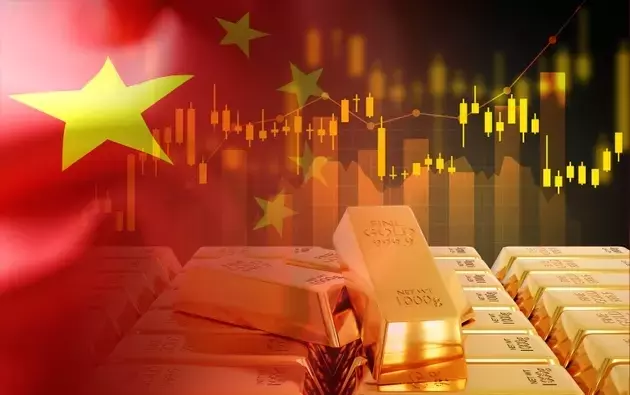
China's gold market commenced 2026 with remarkable strength, as the LBMA Gold Price PM in USD achieved its highest January performance since 1980. Concurrently, the Shanghai Benchmark Gold Price PM in RMB marked its strongest beginning to a year ever. The People's Bank of China (PBoC) continued to bolster its gold reserves, adding 1.2 tonnes to reach a total of 2,308 tonnes, signifying gold's growing importance as it constitutes 9.6% of the nation's total reserve assets. This surge in demand is further amplified by the approaching Chinese New Year, a period traditionally associated with increased gold jewelry and bullion purchases, driven by cultural practices of self-rewarding and gifting. The recent fluctuations in gold prices have also stimulated a dynamic market, encouraging both new acquisitions and the recycling of existing gold assets, with a noticeable trend of consumers exchanging older jewelry for new pieces.
The early part of 2026 witnessed unprecedented activity in the gold sector, with gold prices consistently setting new benchmarks. The LBMA Gold Price PM in USD demonstrated an exceptional performance, reaching multiple all-time highs throughout January. This upward trajectory was mirrored in the Shanghai Benchmark Gold Price PM in RMB, which also recorded its most robust start to any year on record. These developments underscore a significant global interest in gold, especially within the Chinese market.
A key player in this trend is the People's Bank of China, which has maintained a consistent pattern of increasing its gold reserves. The latest report indicates an addition of 1.2 tonnes, bringing the total holdings to a substantial 2,308 tonnes. This strategic accumulation reflects a broader global central bank trend towards diversifying reserve assets and enhancing financial stability. The PBoC's continued commitment to gold acquisitions highlights the metal's perceived value as a safe-haven asset.
The cultural significance of gold in China is evident as the nation prepares for the Chinese New Year. This festive season typically sees a surge in demand for gold products, including intricate jewelry and investment-grade bullion. Consumers often engage in these purchases as a form of self-reward or as gifts for loved ones, contributing significantly to the market's vitality. The ongoing strength of the gold market suggests a confident consumer base, eager to participate in these traditions.
The recent volatility in gold prices, characterized by rapid upward swings, has created a dynamic environment for both buyers and sellers. This has led to a noticeable increase in market activity, including a rise in gold recycling initiatives. Many consumers are leveraging the higher prices to exchange their older, unused gold jewelry for new designs or to convert it into other forms of investment, indicating a sophisticated response to market conditions.
The robust performance of the Chinese gold market in early 2026, marked by record price levels, sustained central bank acquisitions, and anticipated consumer demand driven by cultural celebrations, paints a picture of a thriving sector. The market's ability to adapt to and even capitalize on price volatility through increased recycling further demonstrates its resilience and strategic importance within the global financial landscape.
