In an era defined by climatic shifts and increasing water scarcity, agricultural practices must evolve to ensure food security and resource preservation. Dry farming, an age-old technique, offers a compelling solution, enabling cultivation even in regions with limited rainfall. This method, contrary to conventional irrigation-heavy approaches, demonstrates that bountiful yields are achievable without constant hydration, fostering resilient plant growth and producing crops with enhanced flavor profiles. It represents a harmonious blend of traditional wisdom and modern ecological awareness, paving the way for sustainable food production.
Dry farming fundamentally involves cultivating crops in areas receiving limited annual precipitation, often relying on moisture retained in the soil from early-season rains or deep groundwater sources. Its contemporary application extends beyond historically recognized drylands to various ecosystems, including those adjacent to deserts. The principles behind this agricultural strategy were honed by indigenous communities, such as the Hopi people of northern Arizona, who adeptly selected and nurtured crops inherently suited to arid environments. Their success underscores the viability of growing nutritious and palatable food with minimal external water input, a testament to centuries of adaptive farming worldwide.
The efficacy of dry farming hinges on several critical factors: the judicious utilization of early precipitation, the inherent hardiness of the chosen plant varieties, and crucially, the presence of deep, well-draining soil with excellent water retention capabilities. While some dry farming systems benefit from initial seasonal rainfall, others operate without any supplemental watering, relying entirely on plants' ability to develop extensive root systems that access deeper moisture reservoirs. Selecting the right crops for a specific climate and geological setting is paramount. Regions with more substantial rainfall naturally offer a broader selection, whereas extremely dry areas necessitate the cultivation of exceptionally drought-tolerant species.
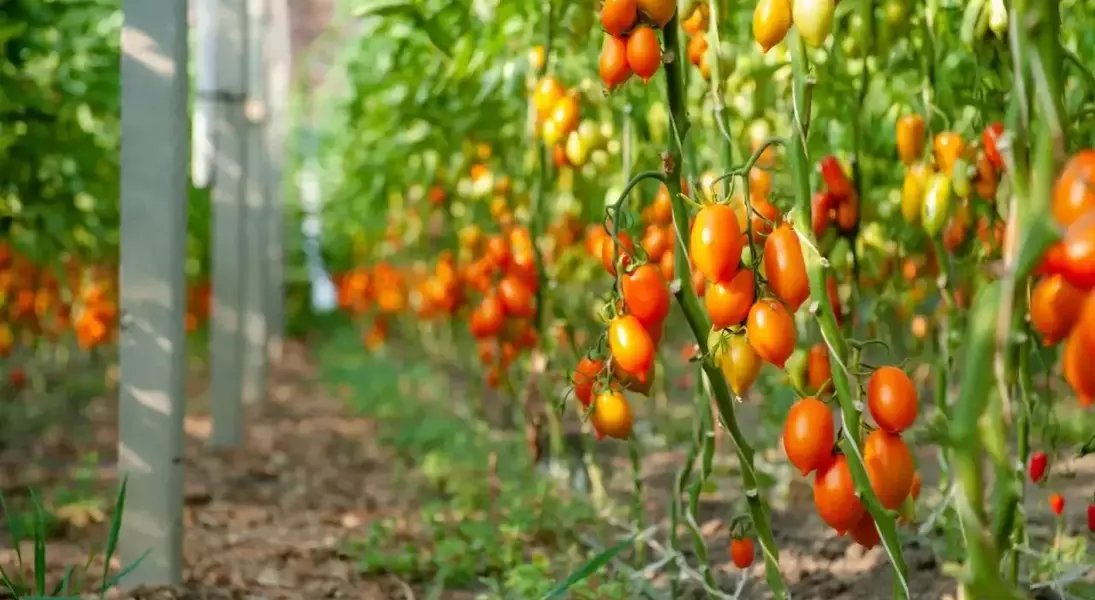
Among the surprising candidates for dry farming are tomatoes. Despite their reputation for needing ample water, certain varieties flourish in dry systems, particularly where spring rains are sufficient. Researchers at UC Santa Cruz's dry farms successfully cultivated smaller yet abundant tomato fruits by strategically tilling the soil to capture moisture in May and withholding water at transplanting. This practice encourages seedlings to develop robust, deep root systems capable of reaching underground moisture. However, this approach is most effective in areas with deep, moist soils and significant early-season precipitation.
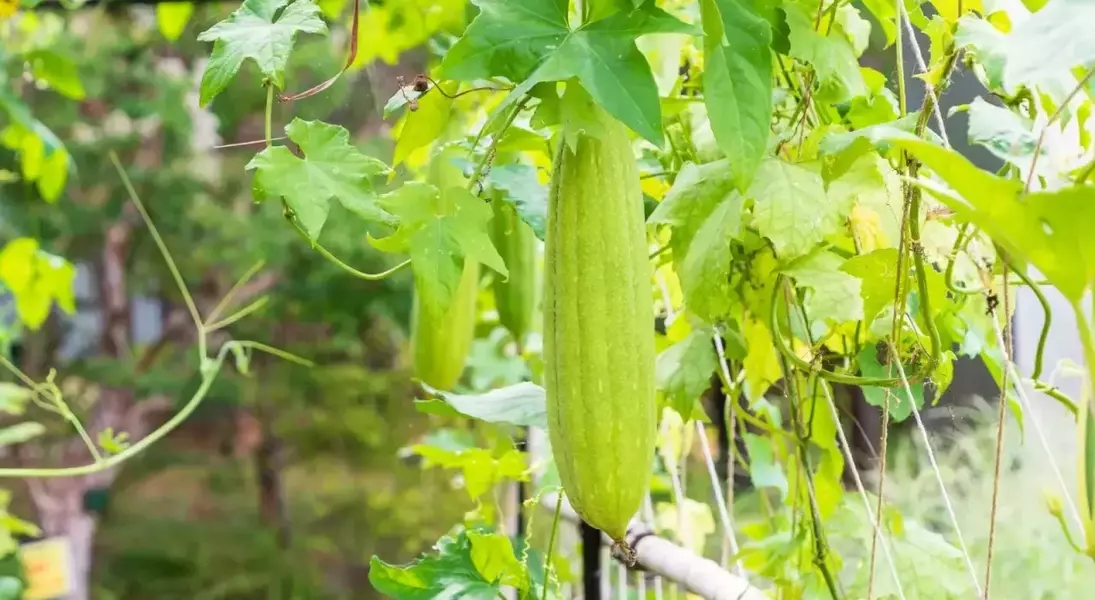
Winter squash and pumpkins also demonstrate potential for dry farming in mild climates with sufficient pre-season rains. The key lies in minimal tilling and the application of a thick mulch layer to conserve soil moisture. Certain gourds, like bottle gourds and luffa, are exceptionally heat-tolerant and thrive in desert conditions with very little water. Soaking seeds before planting provides an initial moisture boost, and providing ample space between plants prevents competition for limited water resources, encouraging widespread growth similar to perennials.
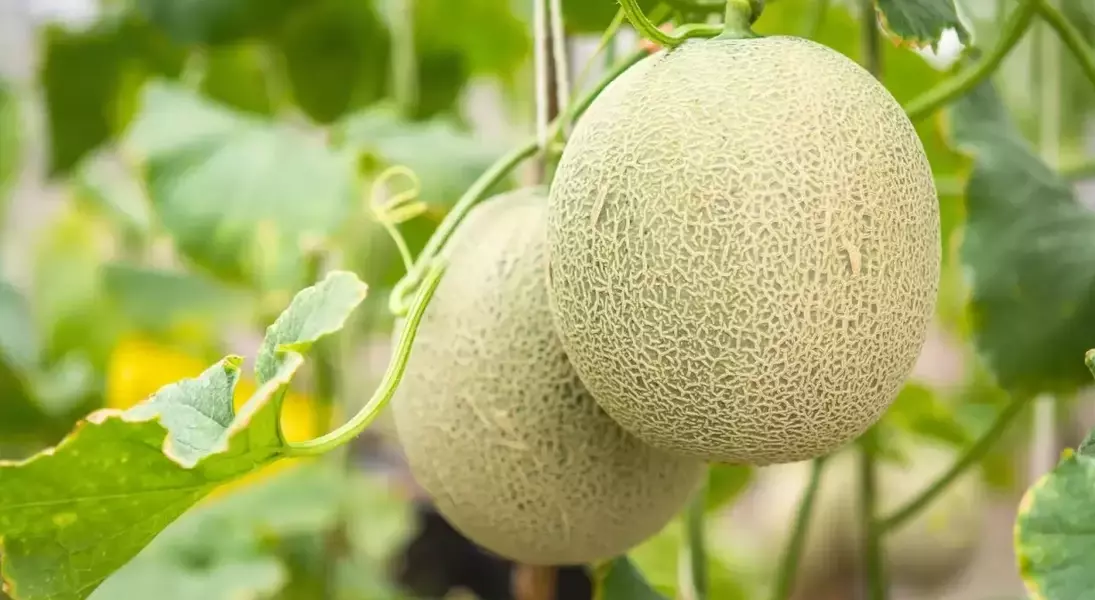
Melons, too, have shown promise in dry farming experiments. In 2013, farmers at OSU successfully grew 'Pike' melons and watermelons in moist soil with substantial mulch. By 2018, trials confirmed that these dry-farmed fruits were not only uniform in size and color but also sweeter and more flavorful than their irrigated counterparts. This success highlights the importance of keen observation and understanding local conditions to determine optimal planting times.
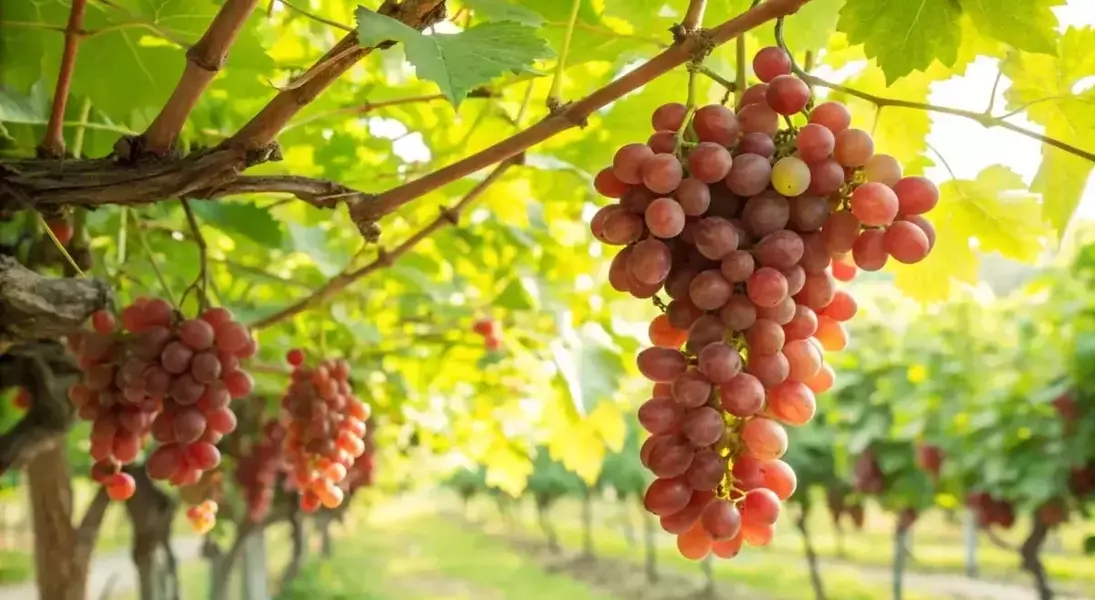
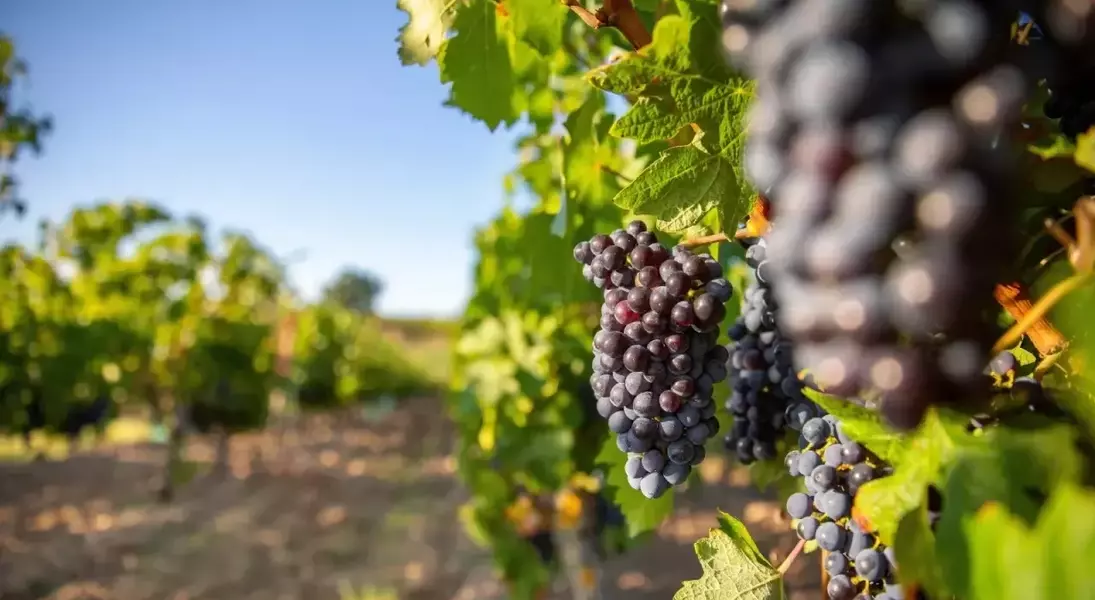
Grapes, renowned for thriving in rocky, arid landscapes, are exemplary dry farming crops. Historically, viticulture in famous wine regions across the globe and even in the United States, as far back as 1874, relied on non-irrigated cultivation. The secret to successful dry-farmed grapes is establishing deep root systems. Modern practices may use drip irrigation in the first season to encourage root development, followed by reliance on natural moisture and careful pruning in subsequent years.
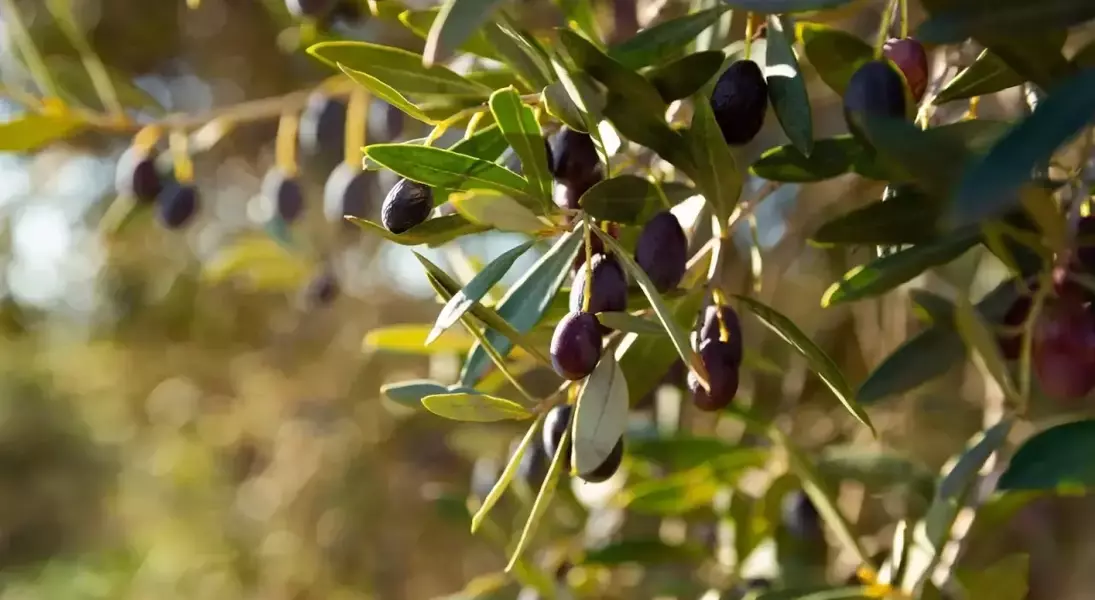
Olives, like grapes, are perfectly suited for drought-prone areas, flourishing in dry, rocky soils. While yields might vary compared to wetter years, olive trees consistently produce well without additional irrigation. Their deep roots effectively tap into groundwater, demonstrating their adaptation to hot climates with low annual rainfall. It's crucial, however, to select non-invasive olive varieties to prevent ecological imbalances.
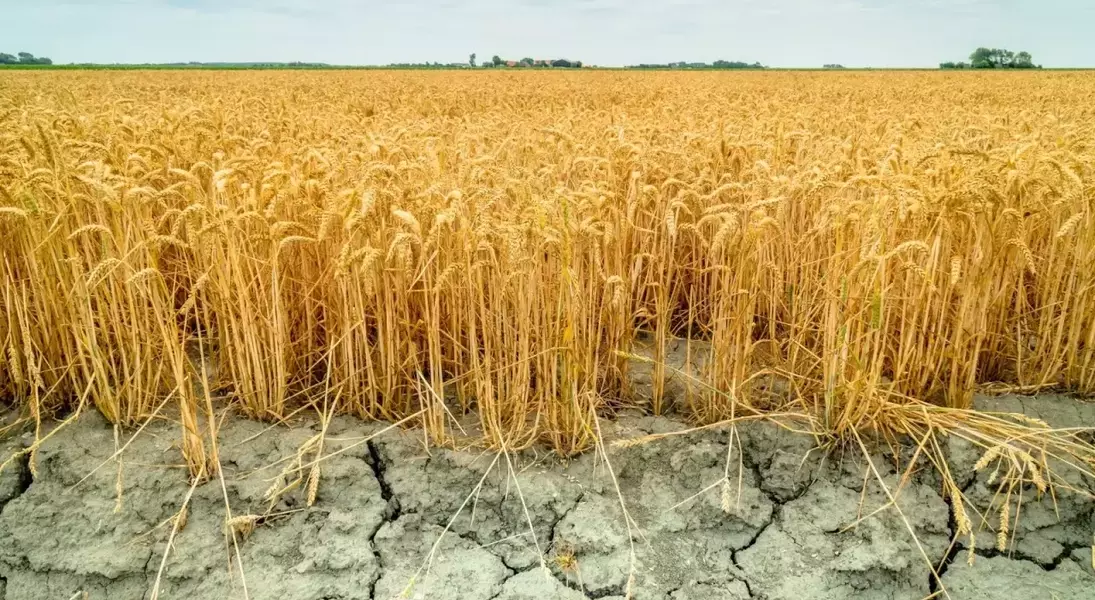
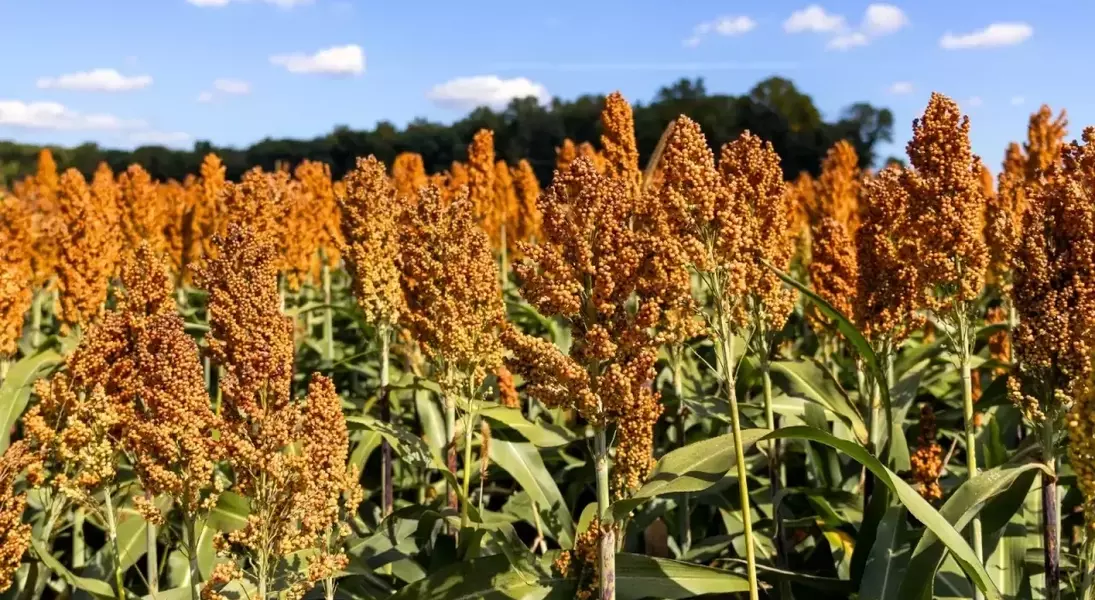
Furthermore, various grains have been dry-farmed for millennia in drought-susceptible regions. Sorghum and millet are particularly resilient, handling extended periods without irrigation. Durum wheat and barley also exhibit significant drought tolerance. The dense canopy provided by these grain crops helps maintain soil moisture for longer durations, making them excellent choices for hot, dry environments.
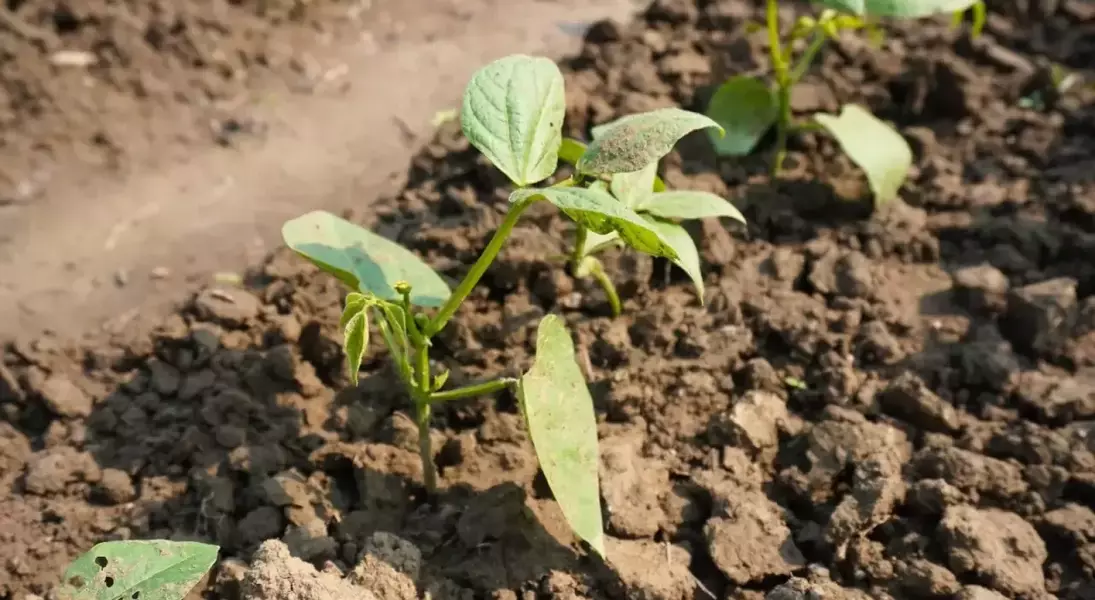
Finally, tepary beans stand out as an exceptional choice for intensely dry regions where other bean varieties fail due to heat. Unlike most beans that drop flowers in high temperatures, tepary beans, cultivated for centuries in the American Southwest, can set flowers and form pods even at 105°F (41°C). Their deep roots access groundwater, eliminating the need for surface irrigation and making them a historically significant and highly effective option for dry farming.
Embracing dry farming methods not only offers an effective strategy for food production in an increasingly water-stressed world but also yields crops often superior in taste and quality. This ancient wisdom, adapted for contemporary agricultural needs, provides a sustainable pathway forward, ensuring the continued vitality of our food systems in the face of environmental challenges.
