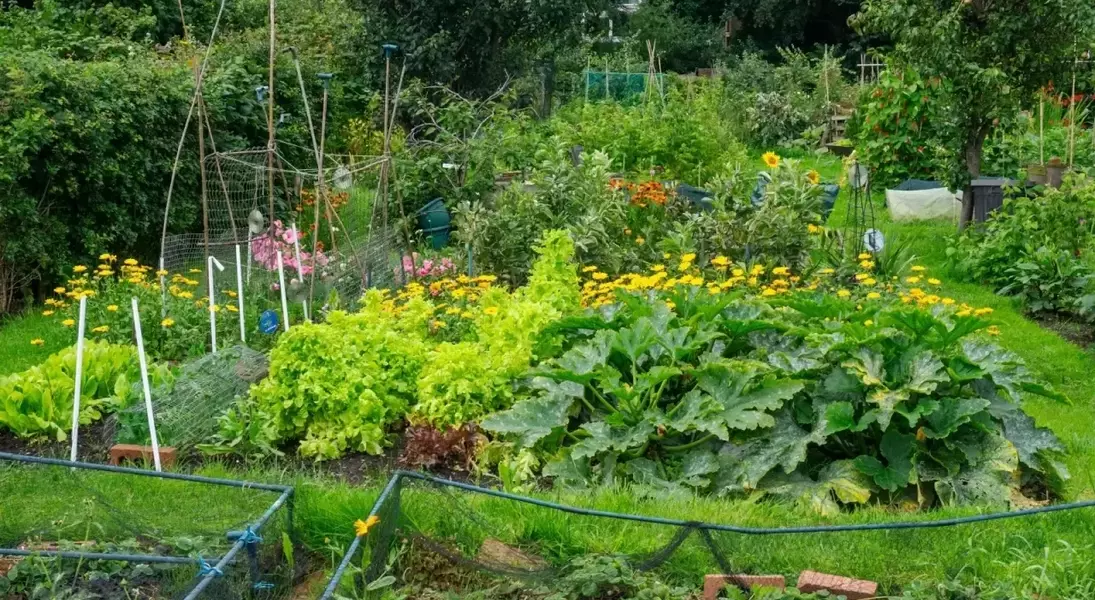
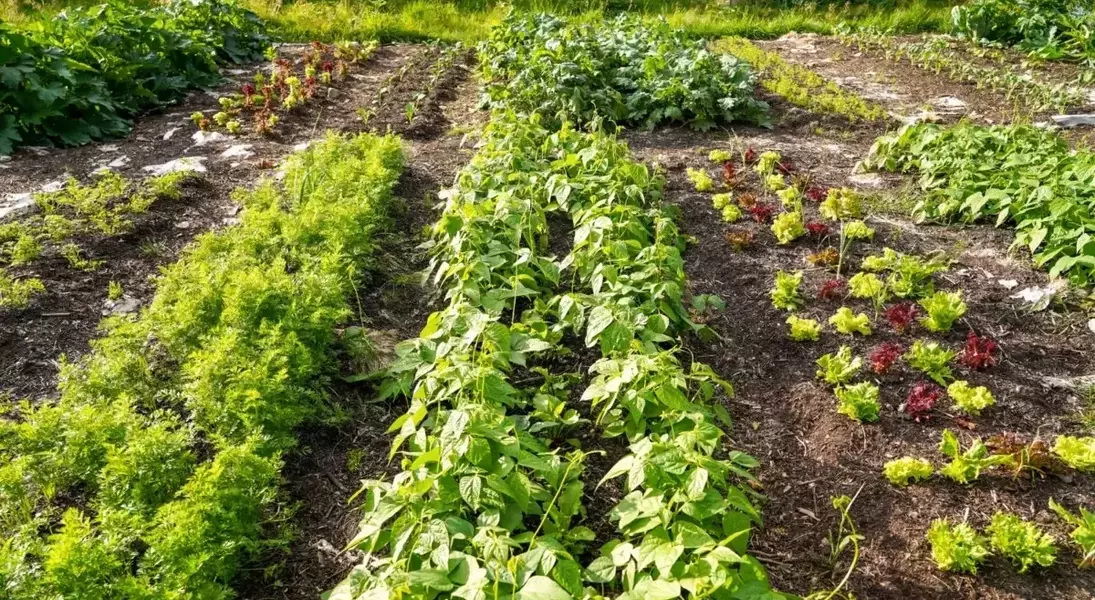
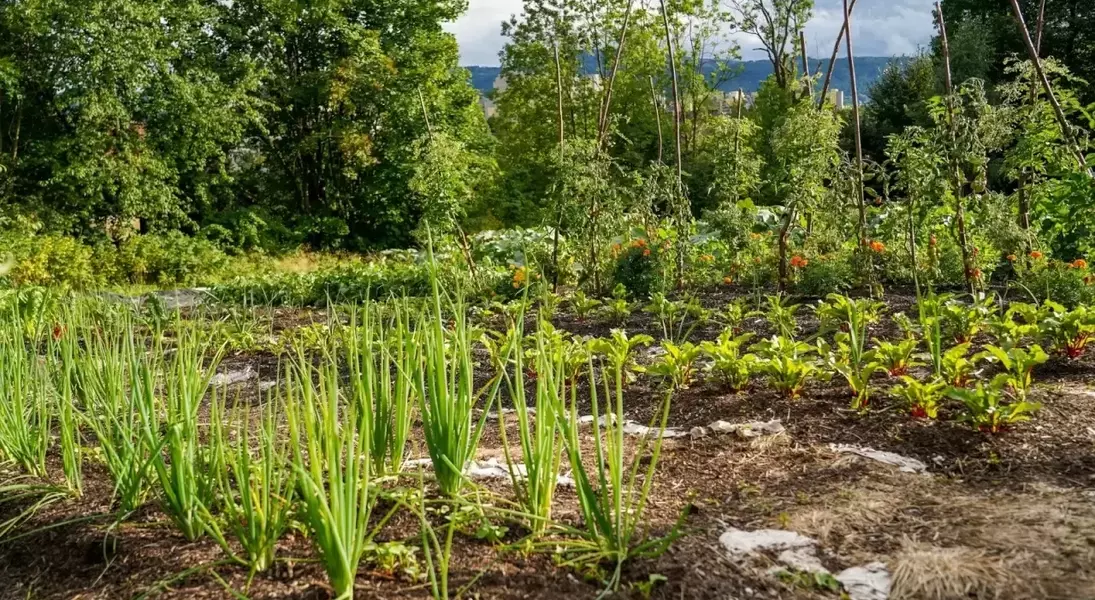
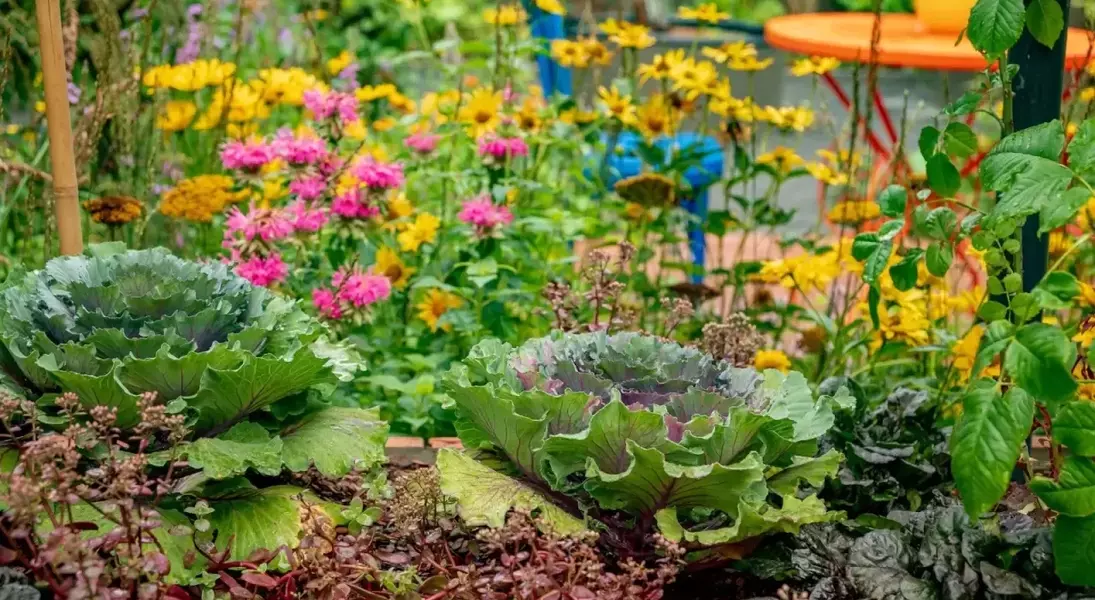
Embracing permaculture is a journey towards agricultural practices that mirror nature's inherent wisdom. This approach, which draws inspiration from the interconnectedness found in natural ecosystems, offers a path to sustainable food production. It's a method that encourages working in harmony with the environment, leading to resilient and productive systems, whether on a small garden plot or a sprawling farm. The core of permaculture lies in thoughtful design and a deep understanding of ecological principles, guiding cultivators to create systems that are not only bountiful but also regenerative.
Pioneering Ecological Agriculture: The Vision of Permaculture
In the mid-autumn of 1978, a groundbreaking agricultural philosophy emerged from the visionary minds of Bill Mollison and David Holmgren. This innovative system, known as permaculture, was conceived as a profound response to the industrialization of agriculture and urban development. Its primary objective was to cultivate environments that prioritize the well-being of both the land and its inhabitants, advocating for mindful consumption and the communal sharing of excess resources. Holmgren's seminal work, \"Permaculture: Principles and Pathways Beyond Sustainability,\" further elaborated on the 12 pivotal design principles that serve as the bedrock for any permaculture endeavor, including the establishment of a permaculture farm. These principles encourage an observant and interactive approach, urging practitioners to glean insights from natural processes, such as water flow and plant growth, before initiating any modifications. They champion the intelligent utilization of 'waste' materials to enrich soil and optimize yields through meticulous plant selection and care. Adaptability is also paramount; cultivators are encouraged to continuously refine their systems based on ongoing observations, ensuring sustainability. Furthermore, permaculture emphasizes the preference for renewable resources over synthetic alternatives, advocating for the complete eradication of waste by repurposing organic matter. Design is approached holistically, moving from broad patterns to intricate details, while fostering collaboration within local farming communities. The philosophy also promotes the adoption of small, incremental solutions, leveraging existing resources and celebrating biodiversity through the cultivation of varied plant species. Marginal areas are valued for their potential, and creative responses to environmental shifts, like the implementation of rainwater harvesting during dry spells, are actively encouraged.
Understanding spatial relationships is another cornerstone of permaculture design. For farms with diverse cultivation, a strategic zoning system is essential for optimal plant placement. This framework typically divides the cultivated area into five distinct zones, with Zone One being the most accessible and Zone Five the most remote. Zone One, situated closest to the living or working space, is ideal for plants requiring daily attention, such as herbs, and for frequently accessed areas like seedling nurseries and compost facilities. Zone Two is reserved for perennials used regularly within the household, including fruit bushes and trees. As one moves into Zone Three, the focus shifts to commercial production, housing annual vegetables, fruits, and areas for animal grazing. Zone Four encompasses semi-managed woodlands and pastures, visited periodically for activities like harvesting nuts. Finally, Zone Five is left entirely wild, serving as an undisturbed natural habitat. When conceptualizing your ideal farm, consider the types and quantities of produce you aspire to cultivate. Evaluate your water sources, such as wells or ponds, for irrigation, and contemplate the integration of dry farming techniques. Prioritizing the preservation of existing native species is also crucial. Before committing to any decisions, it’s imperative to reflect on how permaculture principles guide your choices. Have you thoroughly observed your chosen site? Are you prioritizing renewable materials? Would contour planting effectively mitigate runoff on your land? Starting a permaculture farm is an evolving process, and while challenges may arise, your capacity to learn and adapt from these experiences is far more significant than avoiding them altogether.
The journey of establishing a permaculture farm serves as a powerful reminder that true productivity is found in symbiosis with nature. It’s a testament to the idea that by observing, understanding, and integrating natural patterns into our agricultural practices, we can not only sustain but also regenerate our environment. This holistic approach offers invaluable lessons on resilience, resourcefulness, and the profound interconnectedness of all living systems, inspiring us to cultivate a future where humanity thrives in harmony with the planet.
