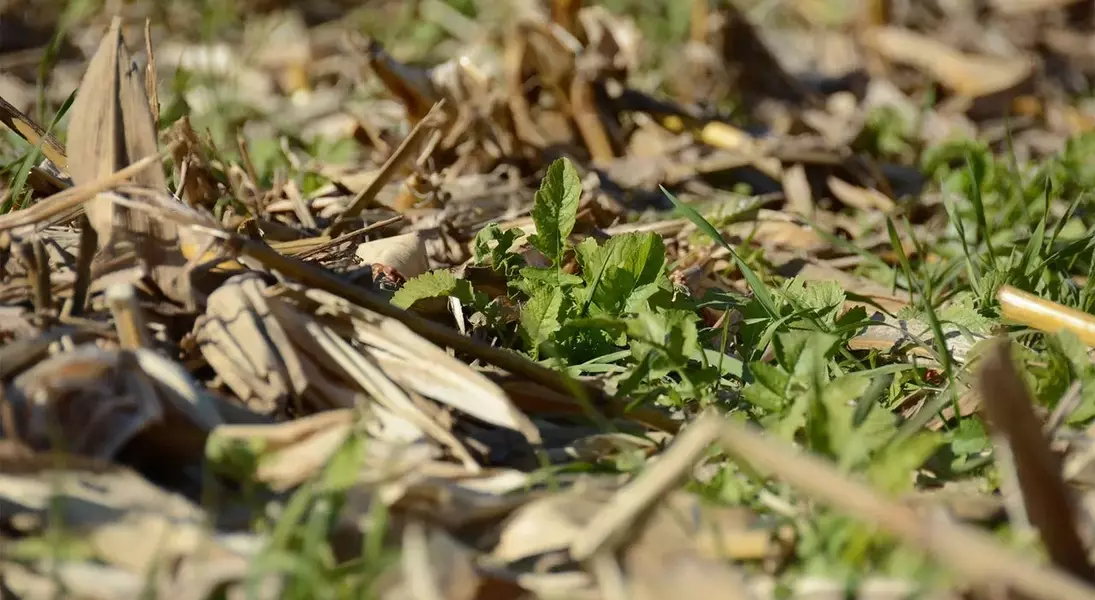
While immediate financial gains from implementing cover cropping may not always be apparent, particularly in the cultivation of corn, their long-term environmental advantages are undeniable. These agricultural practices are crucial for the enduring health and productivity of the land, safeguarding it for future generations of farmers. Beyond the obvious economic considerations, such as yield, the broader ecological benefits like reduced greenhouse gas emissions, decreased soil degradation, and water conservation are increasingly recognized as vital components of sustainable farming.
Unveiling the Dynamics of Cover Cropping for Sustainable Agriculture
In a significant decade-long study, Precision Conservation Management (PCM), an initiative spearheaded by the Illinois Corn Growers Association, has meticulously compiled data on the use of cover crops across vast agricultural expanses. Beginning in 2015, Laura Gentry, the water quality science director at the Illinois Corn Growers Association, played a pivotal role in establishing PCM. This program, now spanning 52 counties across Illinois and expanding into Kentucky, Missouri, and Nebraska, is dedicated to assisting farmers in integrating conservation practices, interpreting performance data, and accessing financial aid programs. Collaborating with Gary Schnitkey, an agricultural economist from the University of Illinois, Gentry has analyzed extensive data from 2014 through 2025, specifically focusing on highly productive soils (with a soil productivity rating of 135 or greater).
The analysis revealed that out of 540,000 enrolled acres, approximately 95,000 acres utilize cover crops, with cereal rye or its mixes accounting for about 90% of these. The study differentiates between overwintering cover crops, which continue growth into spring, and winter terminal varieties like oats and radishes, which perish in colder months. A key finding emphasized the complexities of planting cover crops before corn due to corn's sensitivity to early growth conditions, including light reduction and nutrient competition. For instance, corn yields were observed to be slightly lower with cover crops (overwintering: 218 bushels/acre; winter terminal: 222 bushels/acre) compared to fields without (226 bushels/acre). Similarly, operator and land returns for corn were also marginally reduced with cover crops. These findings align with previous university research, highlighting the challenges in demonstrating immediate profitability for cover crops preceding corn due to increased input costs and corn's specific agronomic needs.
Conversely, planting cover crops before soybeans presents a more favorable scenario from an environmental standpoint. While direct economic returns might not always be immediately evident, soybeans, when following cover crops, show a remarkable capacity to sequester carbon dioxide, significantly exceeding the emissions from their production. Data indicates a reduction in soil loss (from 2.1 tons/acre without cover crops to 1.3-1.5 tons/acre with them) and a marked decrease in nitrogen runoff into water sources, contributing to cleaner drinking water. Despite the absence of a direct monetary valuation for these environmental gains, the long-term benefits to soil health and water quality are invaluable, underscoring the critical role of cover crops in fostering a more resilient and sustainable agricultural landscape.
From a journalist's perspective, this comprehensive study from Precision Conservation Management offers invaluable insights into the nuanced world of cover cropping. It challenges the conventional wisdom that every agricultural practice must yield immediate financial returns, instead highlighting the profound, albeit sometimes intangible, long-term benefits to our planet. It compels us to ponder if the true 'cost' of farming should solely be measured in dollars and cents, or if environmental stewardship, carbon sequestration, and water purity hold an even greater, more enduring value. This research serves as a powerful reminder that investing in the health of our soil is an investment in the future of humanity, encouraging a holistic view of agriculture that balances economic viability with ecological responsibility. It underscores the vital role of organizations like PCM in bridging the gap between scientific research and practical farm management, fostering sustainable practices for a healthier world.
