
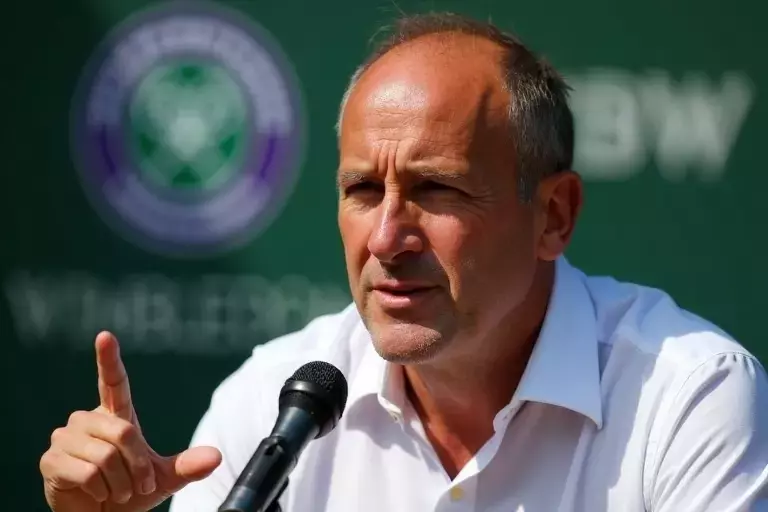
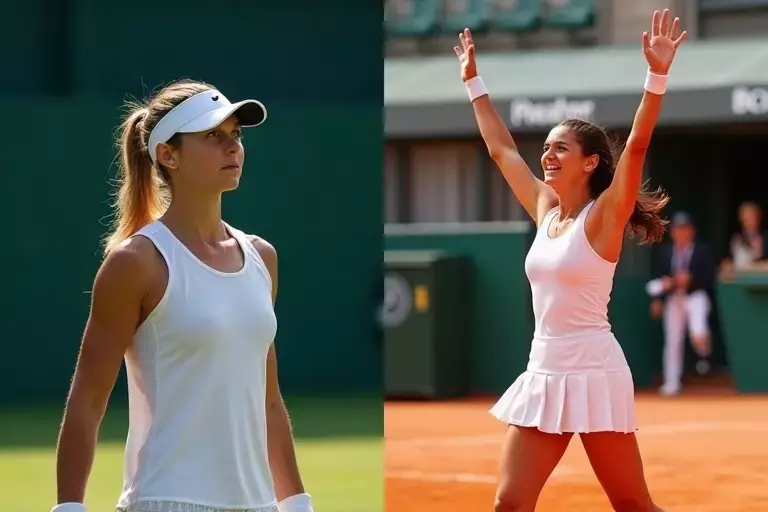


Former coach of Coco Gauff, Brad Gilbert, recently sparked discussions regarding Polish tennis star Iga Swiatek potentially skipping the 2025 Wimbledon Championships following her unexpected loss in the Madrid Open. This surprising defeat not only highlighted Swiatek's current struggles but also prompted suggestions from fans and experts alike about her participation in upcoming tournaments.
In light of this setback, rumors emerged that Swiatek might bypass the grass-court season altogether. Despite these speculations, Gilbert emphasized the importance of competing at Wimbledon if health permits. Meanwhile, Gauff's impressive performance against Swiatek has drawn significant attention, further intensifying debates around tournament strategies and player well-being.
Gauging Player Performance and Mental Health
Coco Gauff’s triumph over Iga Swiatek in the Madrid Open semifinals unveiled deeper issues concerning Swiatek’s recent form and psychological state. The match showcased a dominant display by Gauff, leaving Swiatek visibly distraught during their encounter. Such emotional reactions raise concerns about how athletes handle pressure and whether rest periods could benefit their overall performance.
The clash between Gauff and Swiatek provided critical insights into the dynamics of high-level competition. Swiatek’s uncharacteristic errors and visible frustration suggested underlying challenges beyond physical fitness. Experts like Brad Gilbert noted Gauff’s exceptional execution, attributing her success to strategic gameplay rather than mere luck. Moreover, Swiatek's potential withdrawal from future events highlights the delicate balance players must maintain between competitive spirit and personal health. By analyzing such matches, we gain valuable perspectives on managing stress and optimizing performance under intense scrutiny.
Evaluating Tournament Participation Decisions
As discussions persist regarding Swiatek’s possible absence from Wimbledon, opinions diverge among fans and professionals. Some argue that skipping certain tournaments allows for mental rejuvenation, while others believe maintaining consistent participation fosters resilience and growth. These differing viewpoints reflect broader considerations surrounding athlete scheduling and long-term career planning.
Brad Gilbert’s stance opposing Swiatek’s hypothetical withdrawal underscores the significance of participating in major championships when physically capable. His rationale centers on the idea that exposure to diverse playing conditions enhances skill development and adaptability. Conversely, proponents of reduced schedules cite instances where prolonged breaks led to renewed vigor and improved results upon return. Ultimately, decisions regarding tournament entries hinge on individual circumstances, including recovery needs, motivation levels, and strategic goals. Evaluating these factors holistically ensures optimal outcomes aligned with each player’s unique trajectory within the sport.
