In an increasingly interconnected global landscape, the idea of a completely closed economy, one that operates in isolation from international trade, remains largely a theoretical construct. While countries might aspire to self-sufficiency by relying solely on internal resources for production and consumption, the intricate web of global supply chains and resource dependencies makes this an almost unattainable goal. The modern economic consensus leans heavily towards open markets, recognizing their pivotal role in fostering prosperity, enhancing stability, and driving innovation.
The Evolving Landscape of Global Trade and Economic Openness
Historically, the notion of a nation entirely insulated from global commerce has been an academic concept rather than a practical reality. Even nations that adopt more restrictive trade policies, such as Sudan, still engage in a degree of international exchange for essential goods and services. The United States, for instance, simultaneously imports and exports crucial commodities like crude oil, illustrating the complex nature of modern trade relationships. A more striking example is lithium, vital for the burgeoning electric vehicle battery industry, which many industrialized nations, including the U.S., must import due to limited domestic reserves. This demonstrates the inherent difficulty in achieving true economic isolation in an era defined by specialized production and global resource distribution.
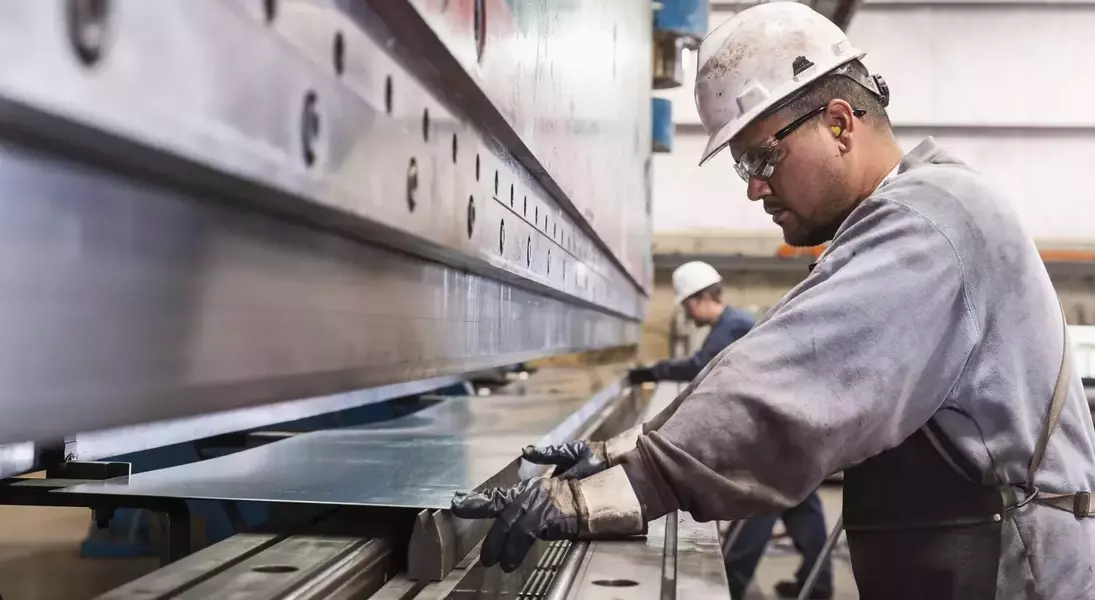
Governments occasionally implement protectionist measures to safeguard particular domestic industries from the pressures of global competition. These strategies, which include tariffs, quotas, and subsidies, aim to mitigate the risk of over-reliance on imports and to support local producers. A notable instance occurred in 2018 when the U.S. imposed tariffs on steel and aluminum to protect its domestic industries, primarily against competition from China. Such policies, while intended to bolster national industries, often spark debate among economists. A significant body of economic theory, supported by organizations like the OECD, posits that economies that embrace openness tend to experience more rapid growth, offer improved wages, and enjoy greater stability compared to their more closed counterparts. This perspective highlights the dynamic tension between national economic security and the broader benefits of free international trade.
Reflections on Economic Interdependence
The contemporary global economy underscores a profound interdependence among nations. While the romantic ideal of a self-sufficient, closed economy might appeal to certain nationalist sentiments, the practicalities of modern production, resource allocation, and market dynamics render it largely unfeasible. The trend towards globalization, driven by the pursuit of comparative advantages, has reshaped how countries interact economically. This intricate interplay necessitates a balanced approach, where governments navigate the complexities of international trade while strategically employing measures to protect critical domestic sectors. Ultimately, the ongoing dialogue about economic openness versus protectionism revolves around optimizing national interests within an undeniable global context, where the benefits of collaboration often outweigh the perceived advantages of isolation.
