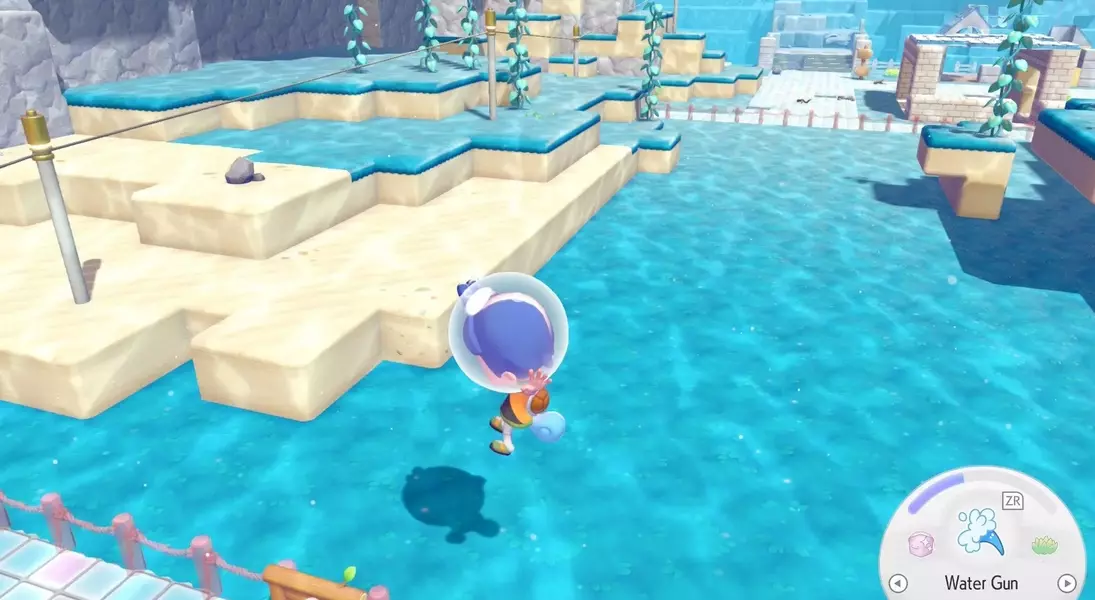

The author expresses an overall fondness for the marine environment of Pokémon Pokopia's Bubbly Basin, particularly appreciating its aesthetic and the prominence of water-type Pokémon. However, this positive sentiment is marred by a significant point of contention: the laborious and unassisted task of constructing a temple for Popplio. The extensive material gathering and land clearing required, performed solely by the player, evokes a sense of abandonment and frustration, leading the author to liken the experience to the "John Travolta in Pulp Fiction" meme, questioning the absence of communal effort in a game supposedly about cooperation.
In stark contrast, Palworld is presented as a game that, despite its generally unappealing qualities to the author, excels in its division of labor. The game's Pals are depicted as efficient and dedicated workers, capable of handling various tasks such as farming, mining, and construction, thereby alleviating the player's burden. This design choice, while acknowledged to serve Palworld's edgy "Pokémon-but-edgy" theme, is ironically praised for preventing the player from shouldering all responsibilities, a stark difference from the solitary grind experienced in Pokopia.
The article highlights the author's vexation with the Popplio temple project, not due to the inherent time commitment, but because it feels like an enforced progress blocker. While the task itself might only take about 15 minutes, the lack of player choice and the obligatory nature of the quest are deemed annoying and obnoxious. The author concludes with a humorous, albeit slightly passive-aggressive, resolution to prioritize bringing electricity to the sea folk, a task that, unlike the temple, stems from their own volition rather than an unwelcome imposition.
Ultimately, the difference in gameplay mechanics concerning task delegation profoundly influences the player's enjoyment and sense of agency. While one game forces a singular, burdensome path, another offers a more collaborative, albeit thematically darker, alternative. This contrast suggests that player engagement is significantly enhanced when game design balances required tasks with player choice and provides meaningful assistance, fostering a more positive and empowering gaming experience.
