The ASUS ROG Zephyrus G16 (2026) emerges as a remarkably capable 16-inch gaming laptop, presenting notable improvements over its earlier iteration. While it undeniably offers a premium experience with its sophisticated design and powerful internal components, its current market price places it in a precarious position against rival high-end gaming machines. This review delves into its enhanced features, performance benchmarks, thermal efficiency, battery longevity, aesthetic appeal, and software interface, ultimately evaluating its overall market value in the competitive landscape of gaming hardware.
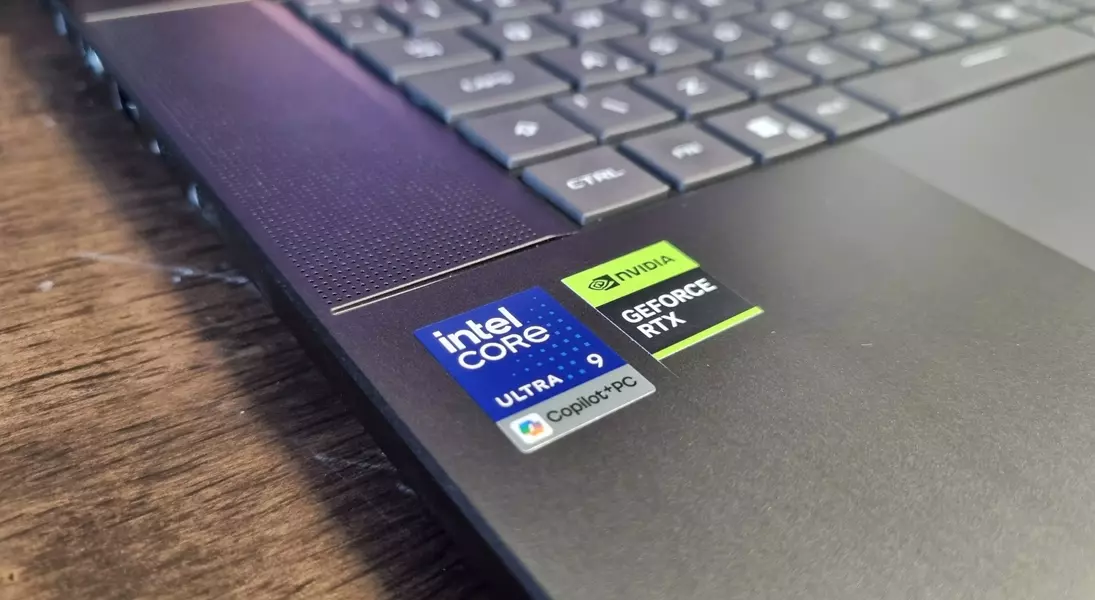
The latest iteration of the Zephyrus G16 maintains a visual consistency with its predecessor, yet incorporates substantial internal enhancements. A pivotal upgrade is the integration of the Panther Lake-based Intel Core Ultra 9 386H processor, mirroring the chip found in the new Razer Blade 16. This 16-core CPU, comprising four Performance, eight Efficient, and four Low Power Efficient cores, demonstrates robust performance for gaming within a compact laptop chassis. The review model featured a substantial 64 GB of LPDDR5X-8533 RAM and a 1 TB SSD, a configuration noted for its memory capacity exceeding its storage. The graphical prowess is delivered by an RTX 5080 mobile GPU, boasting an elevated Thermal Graphics Power (TGP) of 135 W, up from 120 W, and capable of reaching 160 W in manual mode.
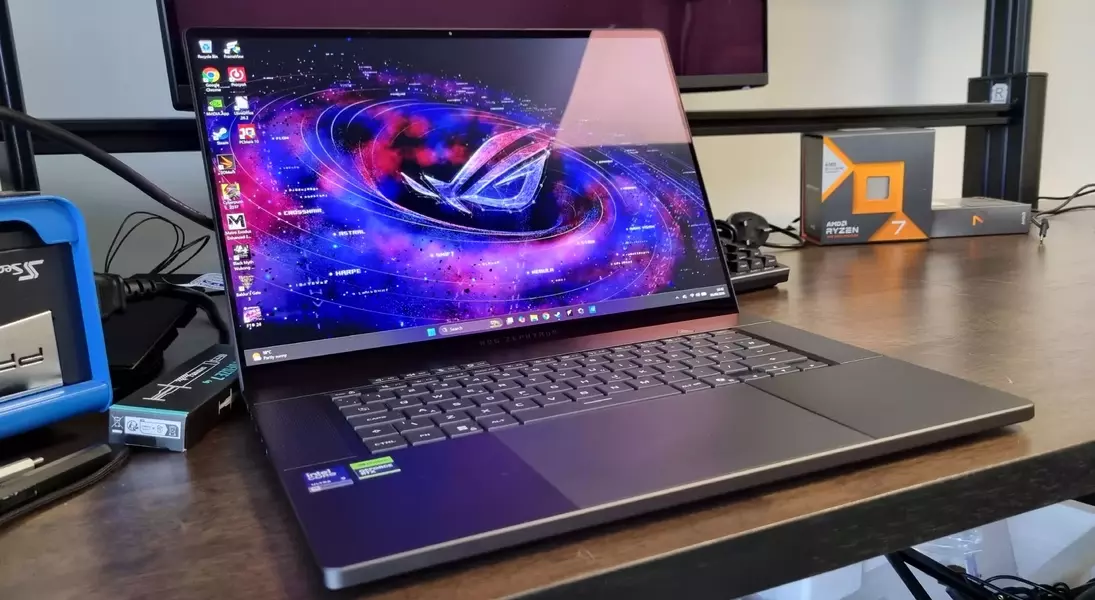
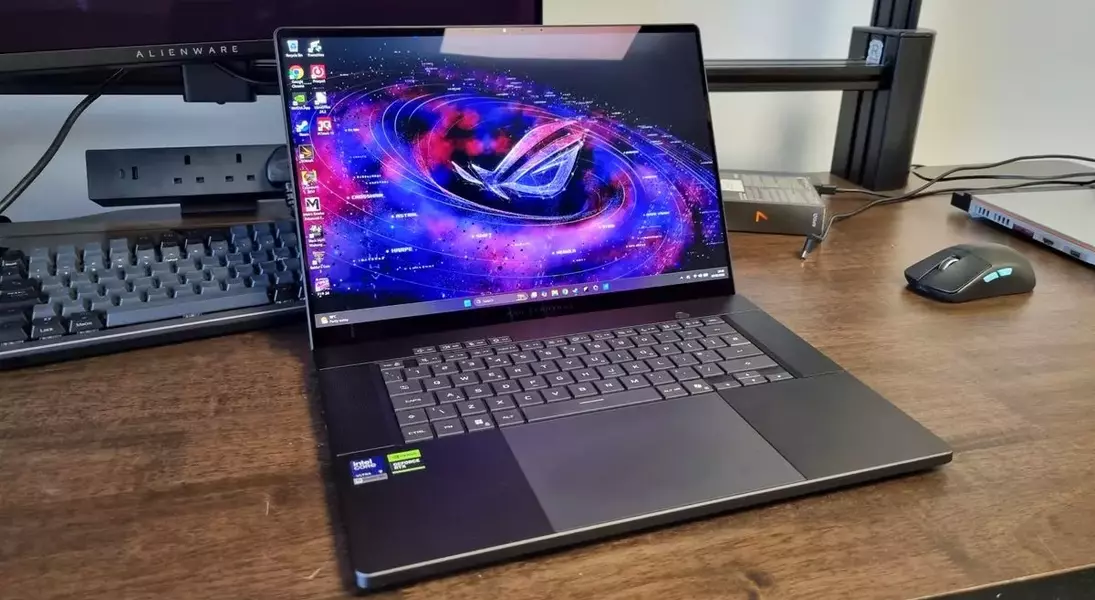
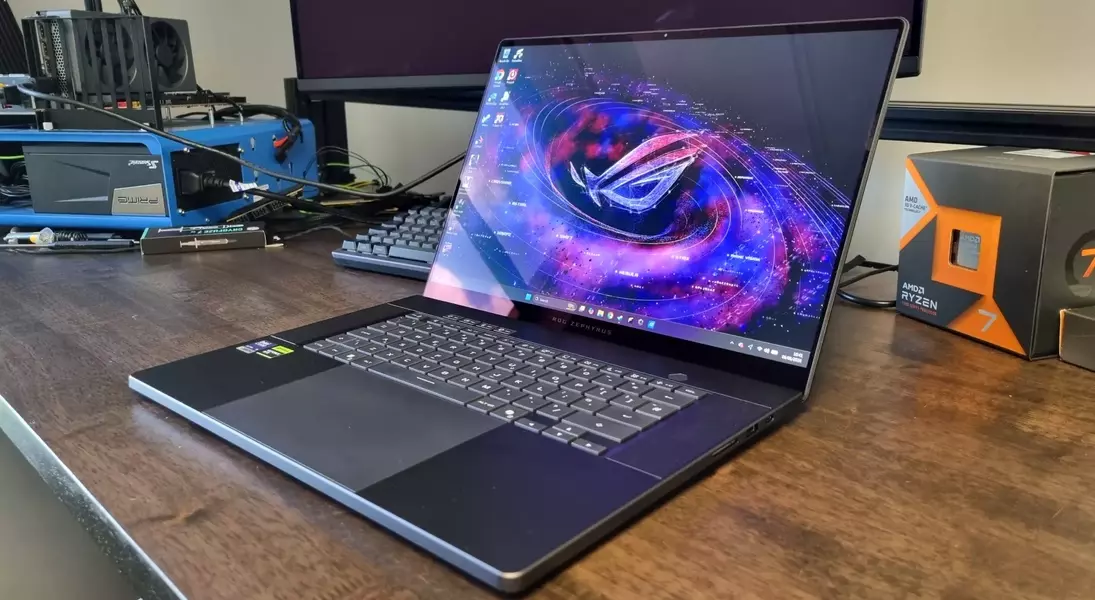
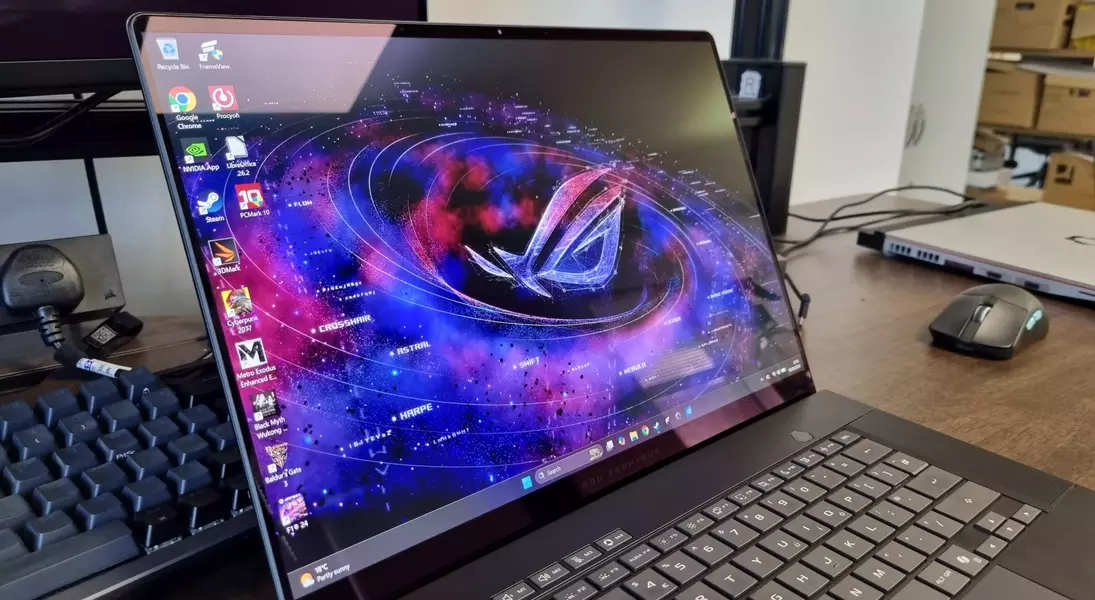
ASUS has also refined the user interface and physical attributes. The keyboard now offers a reinforced deck to minimize flex and anti-fingerprint keycaps, providing a more tactile and durable typing experience. The hinge mechanism has been improved with dual torsion springs, simplifying the opening and closing of the display. The 240 Hz OLED panel has been upgraded, now featuring a peak brightness of 1100 nits and VESA TrueBlack 1000 HDR certification, delivering a visually stunning 1600p resolution that rivals the display quality of the Blade 16. These subtle refinements contribute to the G16's status as an exceptionally well-crafted and portable gaming laptop.
In terms of performance, the new G16 shows a strong competitive edge at 1080p resolution against other RTX 5080-equipped slim gaming laptops. It notably outperforms the previous model in CPU-intensive games like Baldur's Gate 3, thanks to the new Panther Lake chip. In titles such as Black Myth Wukong, it significantly surpasses the MSI Stealth 16 AI+ and comes remarkably close to the performance of the RTX 5090-equipped Razer Blade 16. When operating at 1600p, the performance gap between the 2025 and 2026 G16 models narrows, as the GPU becomes the primary performance determinant rather than the CPU. Enabling upscaling and frame generation further enhances performance, with the MSI Stealth 16 AI+ occasionally surpassing the G16 in average frame rates, although with less consistent 1% low frame rates. Despite these gains, the price-to-performance ratio remains a significant consideration, especially when comparing it to bulkier, less portable alternatives like the Lenovo Legion Pro 7i Gen 10, which offers superior performance at a lower cost due to enhanced thermal management.
Thermal management has seen considerable improvements in the 2026 G16, addressing previous fan noise concerns. While still audible in Turbo mode, the overall fan behavior is much more refined, making for a more pleasant user experience during extended use. The GPU maintains relatively low temperatures during gaming, though the Intel Core Ultra 9 386H CPU tends to run hotter across all Panther Lake-equipped laptops. Battery life is a standout feature, with the G16 achieving an impressive 117 minutes in gaming tests, surpassing its predecessor and other slim gaming laptops. This makes it an excellent choice for users prioritizing portability and on-the-go gaming.
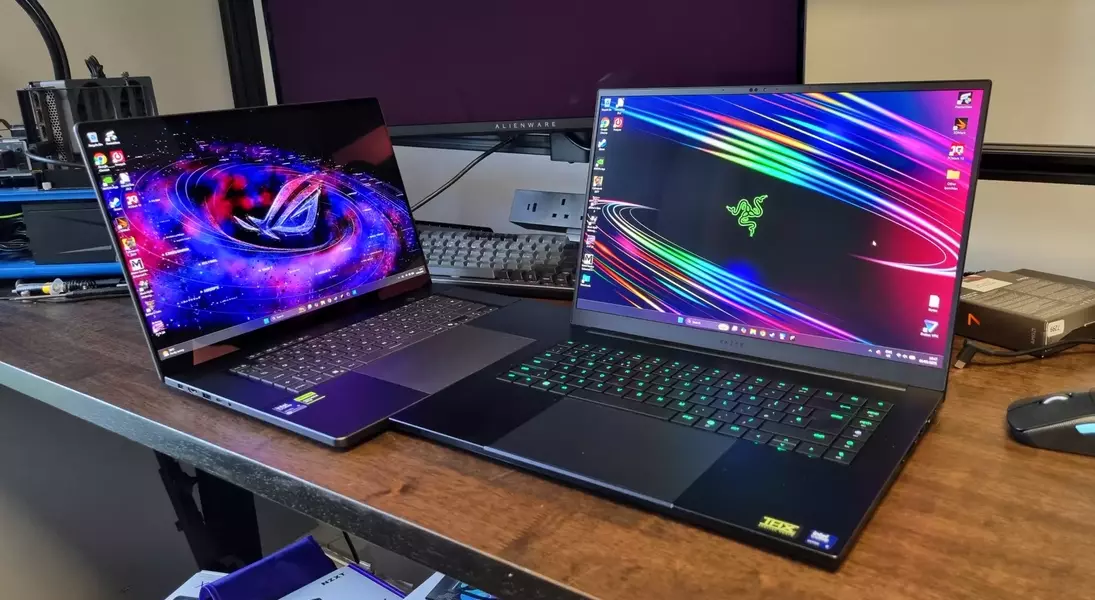
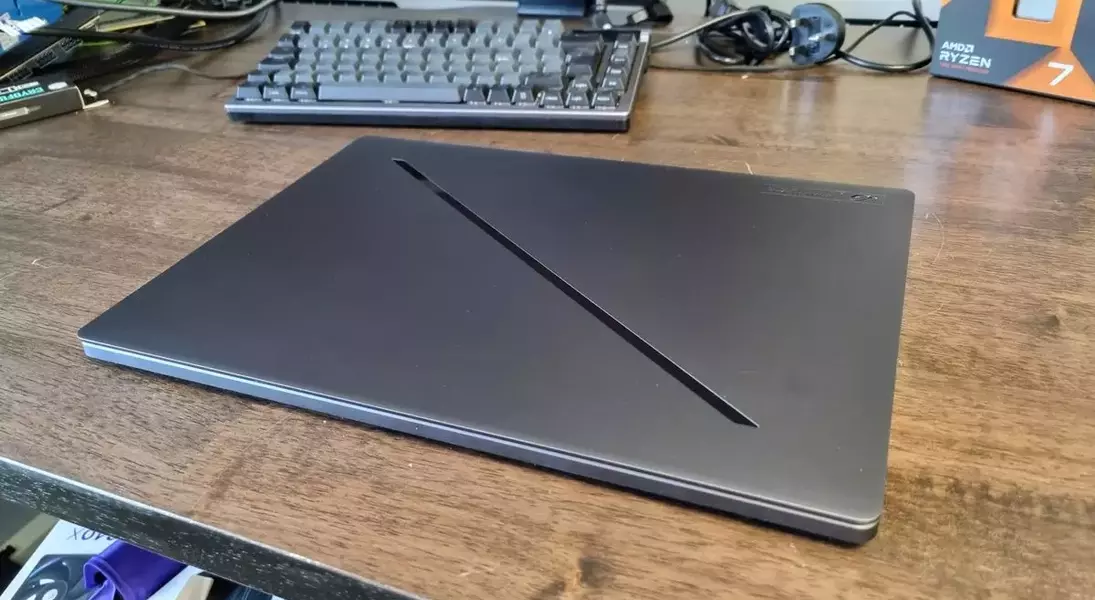
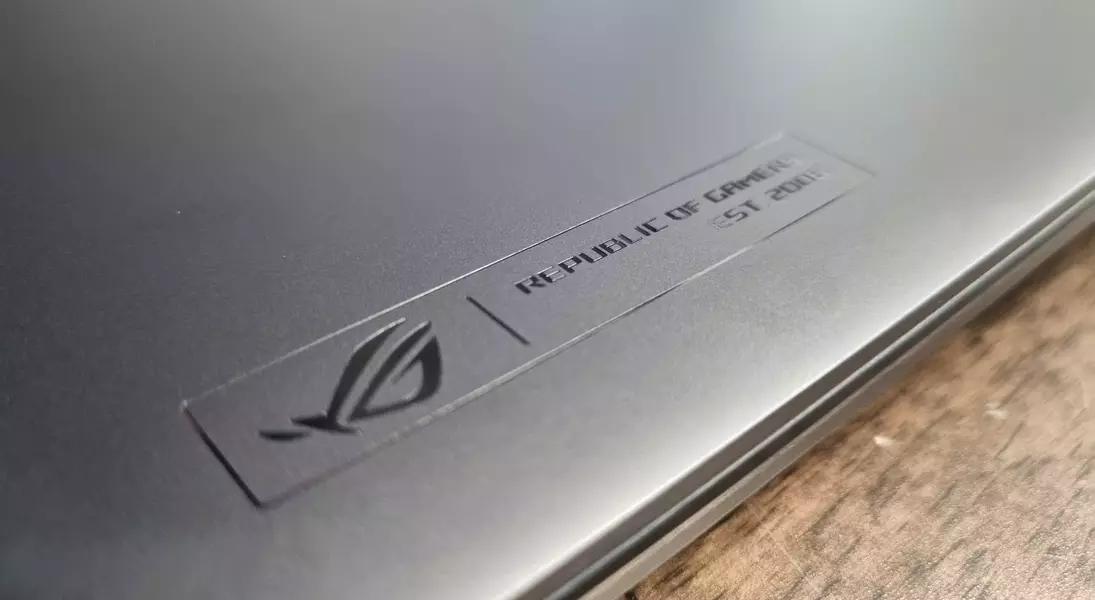
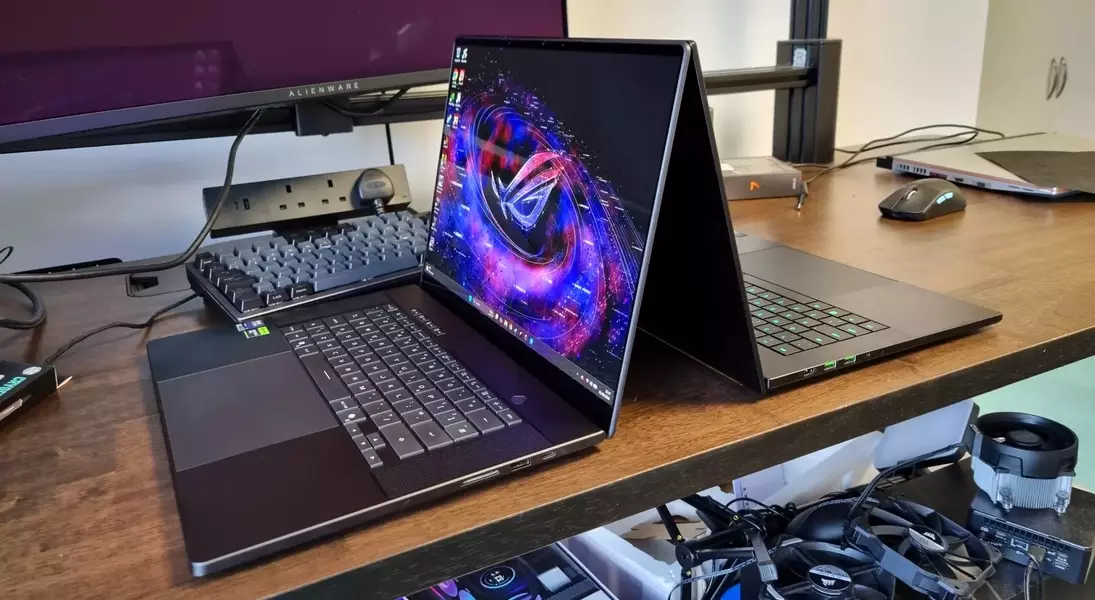
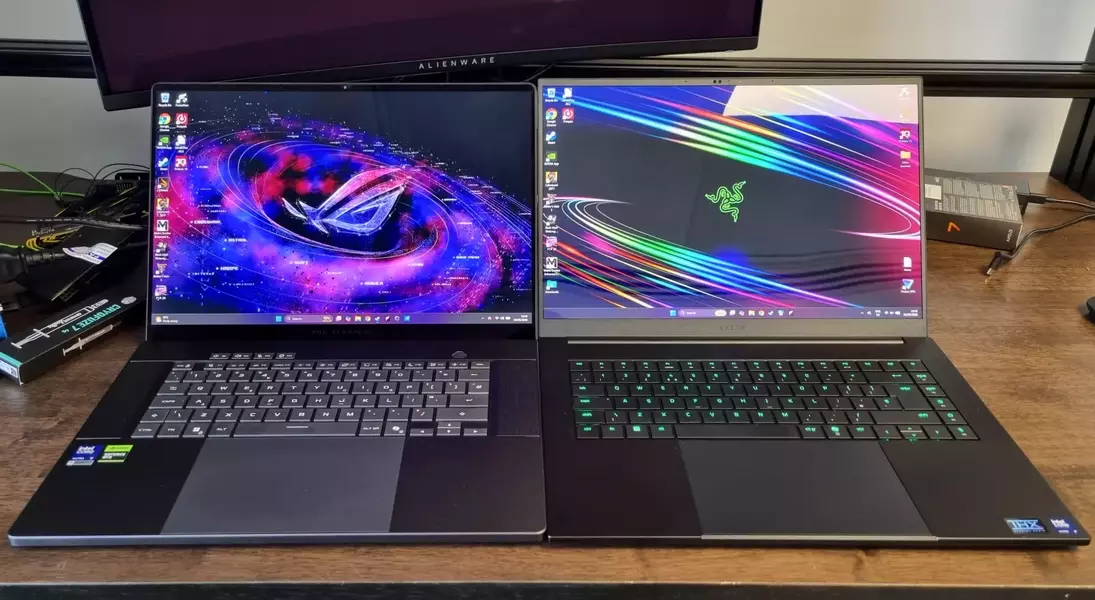
Aesthetically, the G16 retains its elegant, understated design, with its Eclipse Gray aluminum chassis offering a professional look that distinguishes it from more aggressively styled gaming laptops. This design philosophy makes it suitable for various environments, from professional settings to casual gaming. While the keyboard's font style hints at its gaming capabilities, it doesn't detract from its sophisticated appearance. However, when juxtaposed with the Razer Blade 16, the latter is perceived to have a slight edge in overall design, keyboard feel, and trackpad responsiveness, despite the G16's Nebula OLED panel being equally impressive in its vibrant and high-refresh-rate display quality.
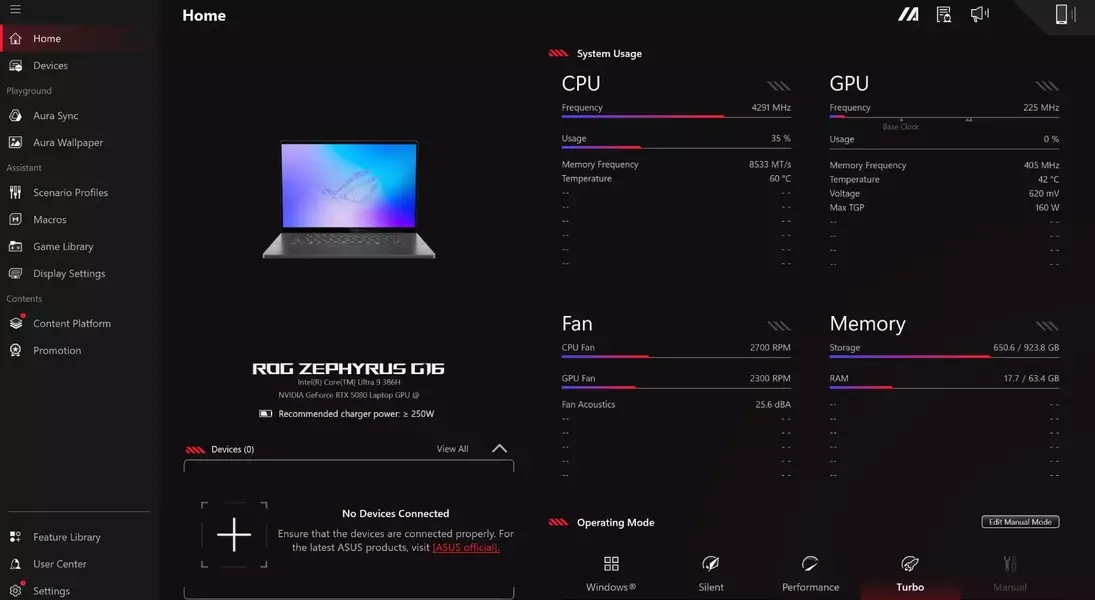
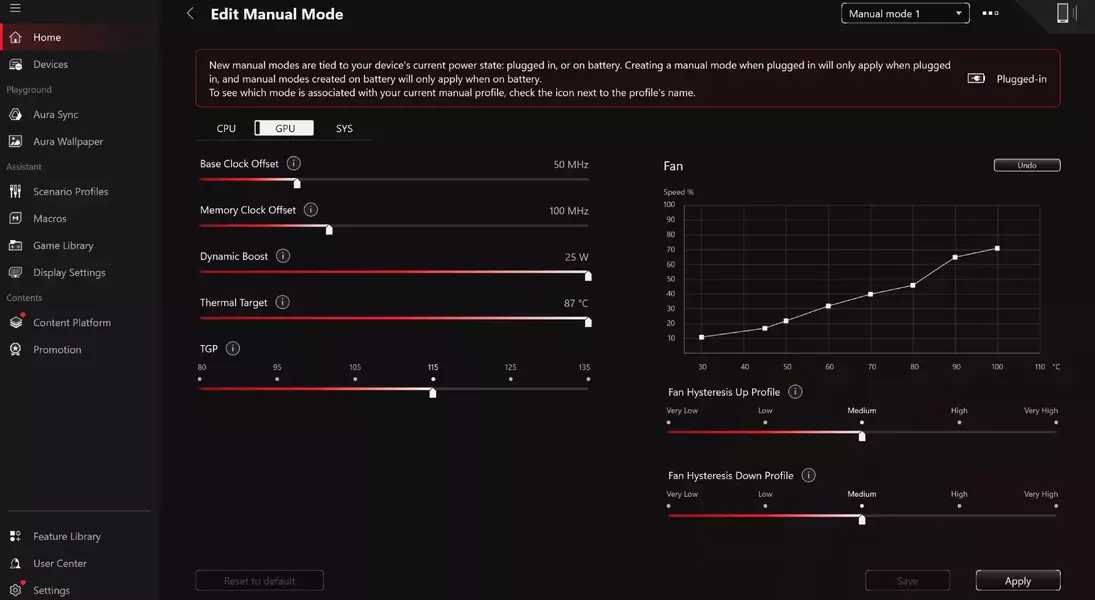
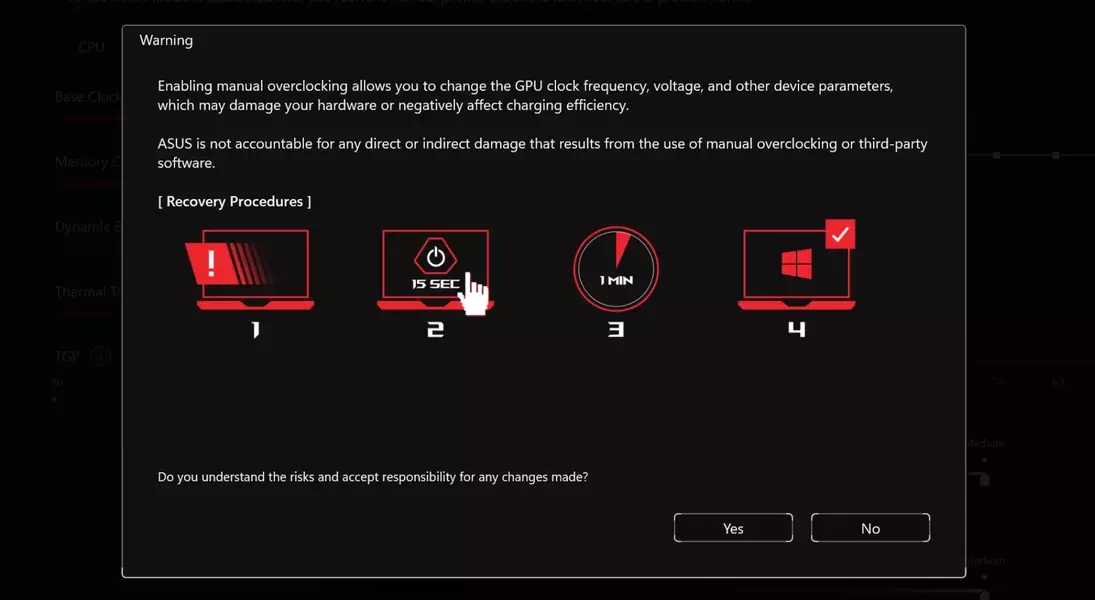
The ASUS Armoury Crate software, while comprehensive, is criticized for its somewhat convoluted interface. It offers extensive customization options for power modes, lighting, process management, and keybinds, along with real-time monitoring of CPU, GPU, and memory. A separate 'Manual' power option allows for tweaking CPU and GPU clock speeds, pushing the GPU TGP up to 160 W, though this results in significantly louder fan noise and marginally higher GPU temperatures for limited performance gains. Despite the manual overclocking capabilities, the default Turbo mode is generally recommended for average users due to better balance of performance and acoustics. The software's disaggregated layout suggests room for improvement in user-friendliness.
The ASUS ROG Zephyrus G16 (2026) is a technically impressive gaming laptop that excels in portability, display quality, and enhanced thermal performance. However, its high price point, particularly for configurations with ample RAM, poses a significant hurdle for potential buyers. While it offers a compelling package, especially with its improved CPU performance and battery life, competitors like the Razer Blade 16 offer comparable, and sometimes superior, specifications at a more competitive price. The ongoing memory crisis in the gaming laptop market further complicates value propositions, making significant discounts on these models less likely. For those seeking a high-end gaming device, the G16 is a strong contender if found at a reduced price, but at its full retail cost, alternatives may offer better value.
