In an era where personal computing devices become increasingly streamlined, the necessity for versatile peripheral connectivity solutions has never been greater. This piece delves into the enduring appeal and practical benefits of a particular mobile adapter from Dell, exploring why this seemingly modest accessory has become an essential item for many tech users.
The Pocket-Sized Powerhouse: Bridging Your Devices Seamlessly
Discovering the Dell Mobile Adapter: A Serendipitous Encounter with Innovation
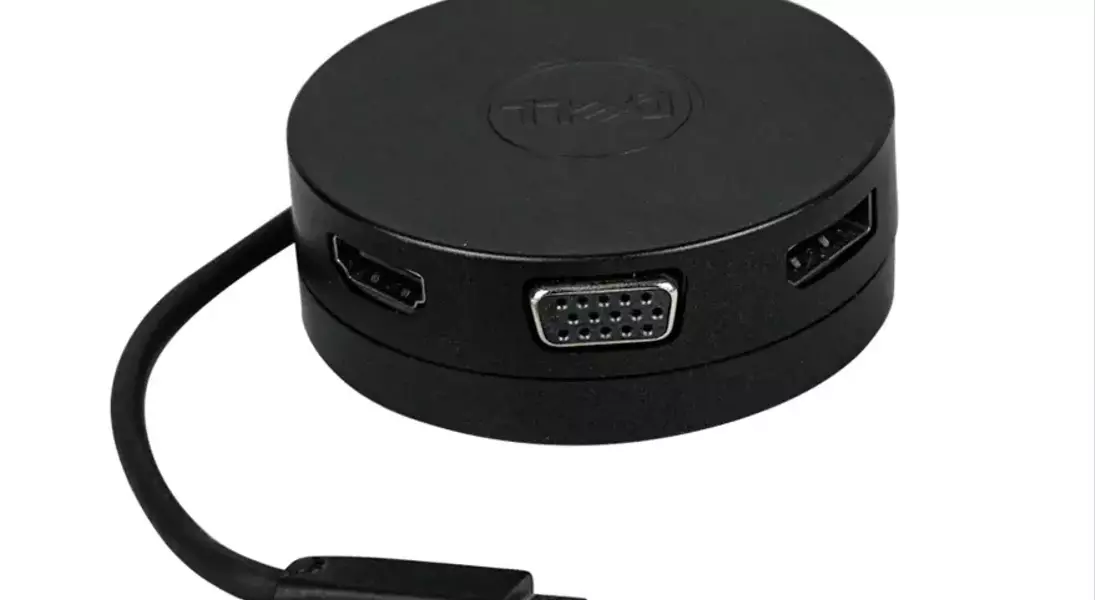
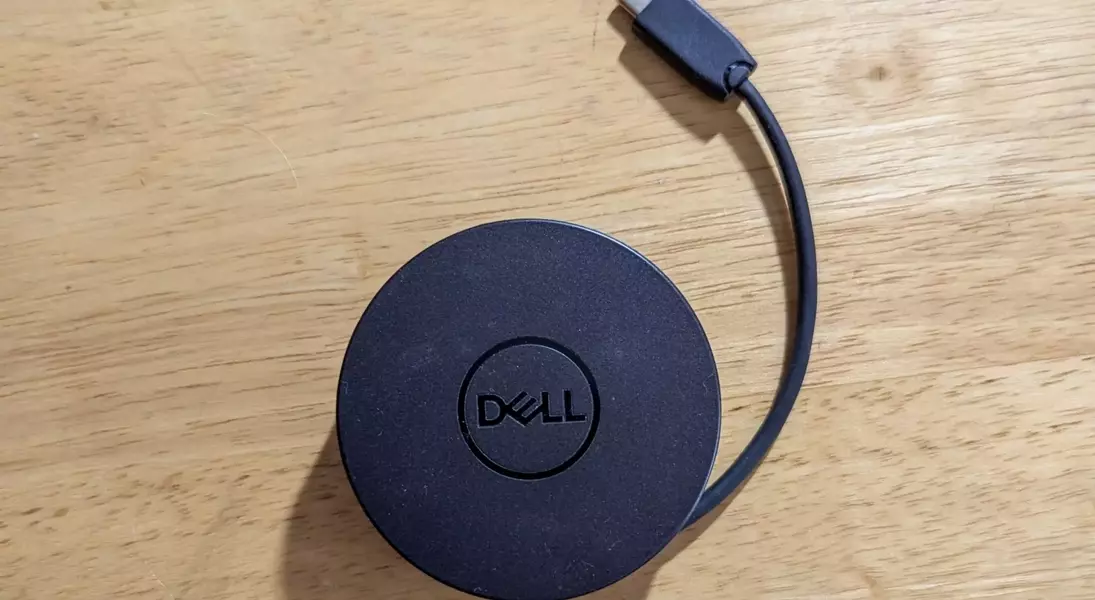
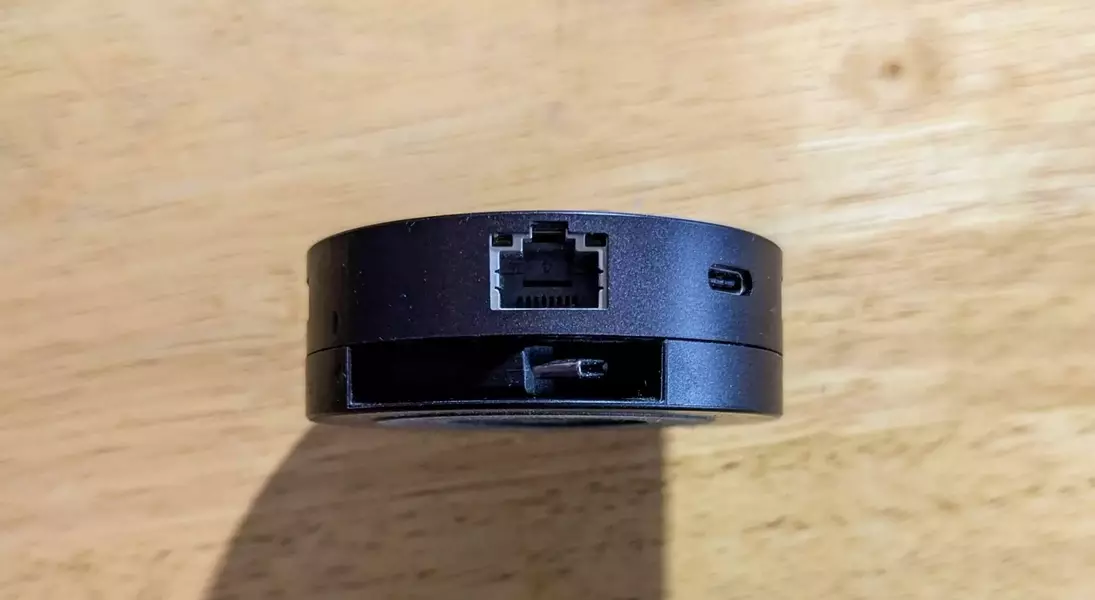
The journey to adopting this particular Dell mobile adapter began not through conventional research, but through an opportune sighting at a technology exhibition in New York City. Among various new offerings, a small, circular device, reminiscent of a hockey puck, immediately captured attention. Its clever design, featuring a series of ports around its edge and, most notably, an integrated USB-C connector that neatly retracts with a simple twist, showcased a blend of ingenuity and practicality. This initial impression quickly translated into a personal acquisition upon its market release.
The Evolution of Connectivity: Adapting to Modern Laptop Design
Modern laptops, while lauded for their sleek profiles and reduced bulk, often sacrifice traditional port variety. Early models typically boasted an array of connectors, a feature that has progressively diminished, leaving many contemporary machines with only one or two USB-C ports. This shift creates a significant hurdle for users needing to connect a range of external devices. The Dell mobile adapter directly addresses this gap, offering a crucial bridge to a wider spectrum of peripherals, including those from older generations, thereby extending the utility of streamlined computing devices.
The Multifaceted Charm of the Dell DA300: Ports, Practicality, and Playfulness
The specific model that has garnered such affection, the DA300, provides a comprehensive suite of connections. This includes an Ethernet port for stable wired internet access, both USB-C and USB-A ports for modern and legacy USB devices, an HDMI port for high-definition video output, a VGA port for older display technologies, and a DisplayPort for advanced video connections. While newer iterations exist with updated USB standards and port configurations, the original DA300 remains a steadfast choice for its robust feature set. Beyond its practical utility, the adapter's unique twist-and-retract cable mechanism adds an element of satisfying functionality and design elegance.
Refinement and Recommendations: Enhancing a Near-Perfect Tool
Despite its many merits, a minor enhancement that could further elevate the adapter's utility would be the inclusion of a slot for a microSD card, a common need for many digital users. Additionally, offering the device in a broader palette of colors beyond the standard black could cater to diverse aesthetic preferences. While newer models like the DA305 have superseded the DA300, updating USB specifications and port layouts, the fundamental design principle of the original remains highly relevant. This adapter distinguishes itself as an indispensable accessory for anyone seeking a portable, robust, and versatile connectivity hub, making it perfect for stowing in a bag for on-the-go use rather than being relegated to a stationary desk setup.
