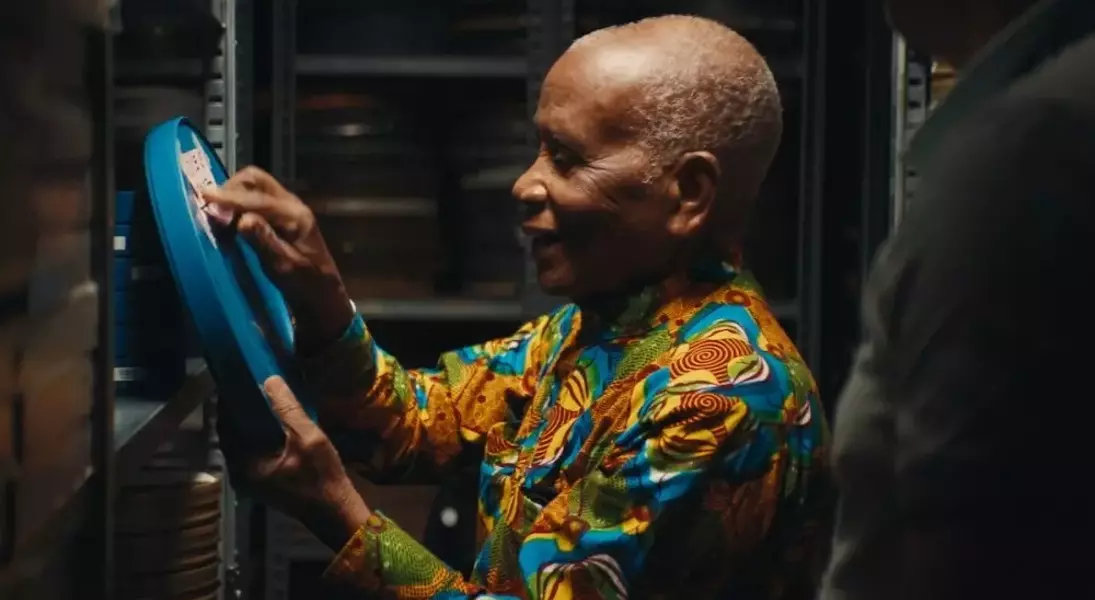
“The Eyes of Ghana” is a compelling documentary by Oscar winner Ben Proudfoot, offering a profound look into the life and work of veteran Ghanaian filmmaker Chris Hesse. The film celebrates Hesse’s significant contributions to cinema, particularly his unique position as the personal cameraman to Kwame Nkrumah, Ghana’s first leader. Nkrumah, a visionary advocate for African independence and unity, utilized cinema as a powerful tool for cultural influence, a mission that Hesse tirelessly supported through his lens. The documentary highlights the extraordinary efforts to recover and restore Nkrumah's cinematic archives, which were once deliberately destroyed but later safeguarded. This narrative underscores the resilience of historical preservation and the enduring power of film as a medium for both cultural expression and political discourse.
Proudfoot’s film not only recounts Hesse's journey but also reflects on the broader historical context of Ghana's post-independence era. It examines the complex relationship between Hesse and Nkrumah, whose shared belief in cinema’s transformative power fueled their collaboration. The film also features Anita Afonu, a younger filmmaker and Hesse's student, who joins him in his quest to restore and showcase these invaluable historical records. Their intergenerational partnership exemplifies a collective reverence for cinema and its capacity to inspire and educate. Through evocative storytelling, “The Eyes of Ghana” becomes a moving tribute to the art form itself, showcasing its ability to transcend time and shed light on significant moments in history, while also celebrating the individuals dedicated to its preservation.
The Visionary Lens of Chris Hesse
Proudfoot's documentary, 'The Eyes of Ghana,' meticulously explores the remarkable journey of Chris Hesse, a distinguished Ghanaian filmmaker whose legacy intertwines with the very fabric of Ghana's nation-building. The film commences with a poignant reflection on Hesse's physical eyesight, but swiftly pivots to his metaphorical vision, emphasizing his extraordinary body of work over his personal ailments. Hesse's role as Kwame Nkrumah's trusted cameraman placed him at the epicenter of Ghana's independence movement and Nkrumah's pan-African ambitions. Nkrumah, deeply influenced by the global impact of Hollywood, believed in cinema's capacity to shape national identity and global perceptions, mirroring a strategy he envisioned for a unified African continent. Hesse was ever-present, capturing Nkrumah's public engagements and international travels, meticulously documenting a pivotal era of African history. These cinematic records, unfortunately, faced deliberate destruction post-Nkrumah's overthrow, as successive regimes sought to erase his influence. Yet, through a fortunate turn of events, the negatives survived, safely stored in London. Hesse's unwavering dedication to retrieving and restoring these films forms the core of the documentary, transforming it into a testament to his enduring commitment to historical preservation and the artistic medium he so passionately embraced.
The narrative of 'The Eyes of Ghana' extends beyond mere biographical recounting, delving into the philosophical dimensions of cinema as a vehicle for societal change and historical commentary. Proudfoot skillfully weaves together interviews with Hesse and his protégé, Anita Afonu, whose shared passion for film illuminates the profound impact of Hesse's work. Their collaborative endeavor to restore the lost archives is not merely a technical undertaking but a symbolic act of reclaiming a suppressed historical narrative. The film also introduces Edmond Addo, the proprietor of an aging outdoor cinema in Accra, whose recollections provide a nostalgic glimpse into the golden age of film, when cinema held an almost sacred status in communities. This element adds a layer of introspection on the evolving role of cinema in an increasingly diversified entertainment landscape. The dynamic between Hesse and Nkrumah, characterized by their unique, almost telepathic communication—Nkrumah's use of a walking stick to signal shots to Hesse—underscores a rare synergy between leader and chronicler. While the film acknowledges Nkrumah’s later authoritarian tendencies, it thoughtfully refrains from explicitly labeling Hesse’s work as propaganda, instead focusing on the artistic and moral implications of documenting a nascent, independent Africa. Hesse's gentle demeanor and unwavering conviction in Nkrumah's dream of a united Africa infuse the documentary with a hopeful yet realistic tone, preventing it from straying into naiveté despite the current geopolitical complexities on the continent. This thoughtful portrayal ensures that Hesse remains a captivating figure, whose interactions with Afonu highlight the inspirational power of shared purpose and reverence for the moving image.
Preserving History Through Film
At the heart of 'The Eyes of Ghana' is the profound theme of historical preservation through the cinematic arts. The documentary meticulously details Chris Hesse's valiant efforts to resurrect the lost film negatives of Kwame Nkrumah's era, records that were deliberately targeted for erasure by political adversaries. This arduous journey of restoration is not merely an act of technical recovery; it is a powerful statement about the resilience of memory and the indelible role of film in documenting and shaping historical narratives. Hesse, with the assistance of his former student Anita Afonu, embarks on a mission to bring these cinematic treasures back to Ghana, ensuring that future generations can bear witness to a crucial period of their nation's past. Their combined dedication underscores the belief that these films are more than just archival footage; they are living testaments to Ghana's aspirations for independence and Nkrumah's ambitious vision for African unity. The film highlights the immense cultural value embedded in these visual records, recognizing that without such preservation, significant chapters of history risk being forgotten or distorted. It serves as a reminder that the medium of film carries an intrinsic ability to capture and transmit the spirit of an age, making it an invaluable tool for historians, artists, and the public alike.
The documentary delves deeper into the societal significance of these historical films by exploring the broader impact of cinema on public consciousness and cultural identity. The inclusion of Edmond Addo, the owner of a dilapidated outdoor cinema, provides a poignant historical counterpoint, evoking a time when film screenings were communal events, revered as both entertainment and sources of knowledge. Addo's anecdotes paint a vivid picture of cinema's past grandeur, contrasting it with its diluted status in the contemporary age of diverse media. This segment emphasizes the film's broader message about the diminished appreciation for cinema as a powerful art form. Moreover, the narrative carefully examines the complex dynamic between Hesse and Nkrumah, a relationship built on a shared conviction in the power of visual storytelling. While the film acknowledges the controversial aspects of Nkrumah’s later rule, it deftly navigates the ethical considerations of documenting a leader’s reign, particularly when that leader transitions into a more authoritarian figure. Crucially, ‘The Eyes of Ghana’ refrains from overtly condemning Hesse’s work as mere propaganda, instead focusing on the intrinsic value of his footage as historical artifacts. Despite the political shifts and ongoing challenges in Africa, Hesse’s unwavering faith in Nkrumah’s dream of a united continent, beautifully framed by Proudfoot, instills a sense of enduring optimism. The documentary champions the notion that film, even when created under complex political circumstances, retains its power to educate, inspire, and foster a deeper understanding of historical events and the human condition. It is a powerful narrative about reclaiming heritage and celebrating the unsung heroes who commit their lives to preserving collective memory through the art of cinema.
