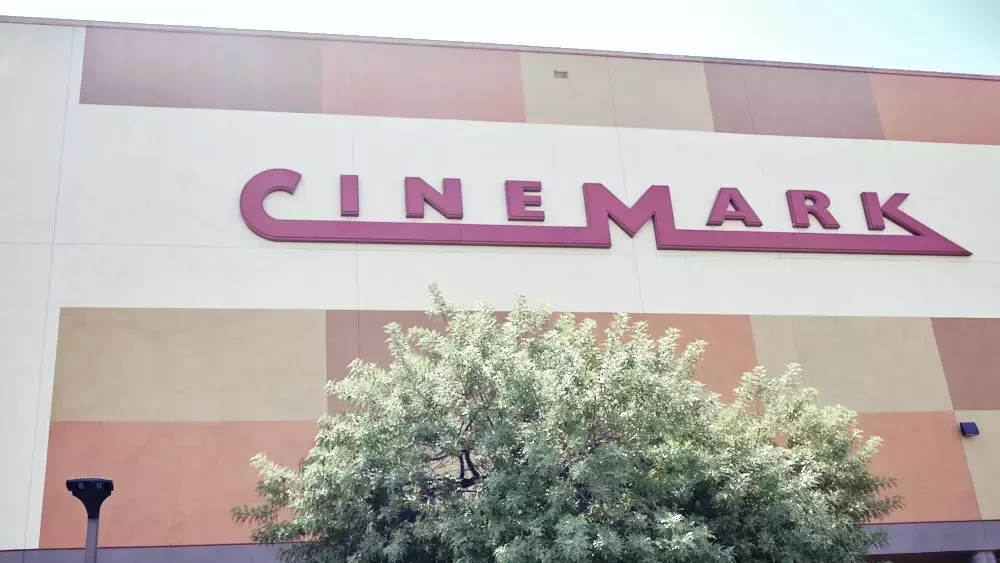
Cinemark has officially thrown its support behind the proposed Paramount and Warner Bros. Discovery merger, joining the ranks of AMC Theatres and Regal Cinemas. This collective endorsement from the nation's leading movie theater chains signals a significant shift in industry sentiment towards the substantial $111 billion deal. The move comes as the cinema industry seeks stability and growth in a rapidly evolving entertainment landscape, with major players believing that such consolidation could foster a healthier ecosystem for film production and exhibition.
Despite the support from these major exhibitors, the broader industry remains divided, particularly with Cinema United, a prominent lobbying group, expressing strong reservations. This divergence underscores the complex considerations surrounding the merger, as stakeholders weigh the potential benefits of increased film output and stronger studio commitments against concerns about market concentration and its potential impact on independent cinema operators. The ongoing antitrust lawsuit against Paramount further complicates the situation, creating an environment of uncertainty that both proponents and opponents of the merger are eager to resolve for the long-term health of the theatrical film business.
Major Theaters Unite Behind Merger
Cinemark's formal declaration of support for the Paramount and Warner Bros. Discovery merger places it alongside industry giants AMC Theatres and Regal Cinemas, marking a united front from the three largest movie theater operators in the United States. This consensus among leading exhibitors is driven by the belief that the merger will cultivate a more robust theatrical environment, ensuring a steady supply of high-quality films. The commitment from Paramount Skydance CEO David Ellison to release at least 30 films annually and guarantee a minimum 45-day exclusive theatrical window has been a key factor in swaying these chains' opinions. Such assurances are seen as crucial for the sustained success and financial viability of the exhibition sector, which has faced significant challenges in recent years.
The backing from these major players reflects a strategic alignment aimed at safeguarding the future of cinematic releases. By emphasizing the importance of financially sound studios capable of consistently producing and distributing compelling content, Cinemark and its counterparts are advocating for a stable and predictable film pipeline. This collective support not only lends considerable weight to the merger's approval but also underscores the industry's desire for concrete commitments that prioritize theatrical exhibition. The companies have specifically highlighted their satisfaction with the potential for these pledges to be enshrined in written agreements and consent decrees, providing formal assurances that resonate with their long-standing advocacy for robust theatrical windows and consistent film output.
Industry Division and Future Outlook
While major exhibitors like Cinemark, AMC, and Regal have publicly endorsed the merger, a significant dissenting voice comes from Cinema United, the industry's primary lobbying organization. This group maintains its opposition, particularly concerning any sale involving Warner Bros., fearing that such consolidation could lead to a reduction in film production and potentially trigger theater closures. The anxieties stem from past experiences, such as Disney's acquisition of 20th Century Fox, which resulted in a notable decrease in combined film output, leaving the industry cautious about similar outcomes and potential disruptions to the hard-won progress made since the pandemic and the 2023 strikes.
The differing views create a complex landscape for the merger, with the exhibition industry grappling with the balance between the perceived benefits of scale and the risks of diminished competition and content diversity. Cinemark, while supporting the merger, acknowledges the ongoing "constructive dialogue" between Paramount Skydance and Cinema United, suggesting an effort to bridge these divides. This engagement aims to address the concerns of the broader exhibition community and work towards solutions that ensure the industry's long-term health and success. Meanwhile, the merger's fate remains uncertain due to an antitrust lawsuit, with Paramount threatening to relocate operations if a resolution isn't reached, further intensifying the pressure on all parties involved to find common ground for the benefit of the entire film ecosystem.
