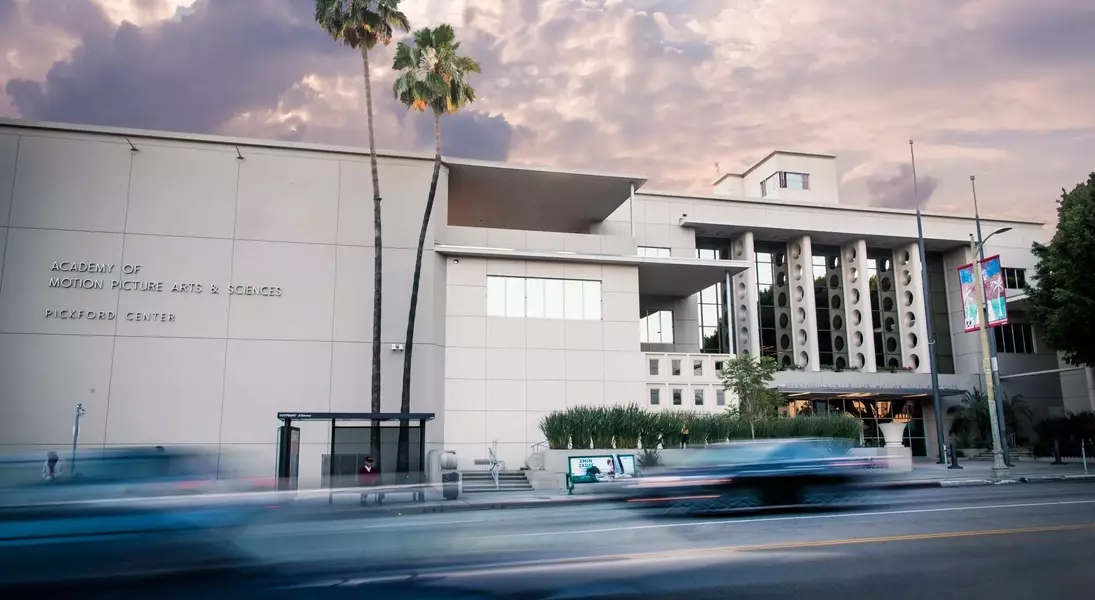
The Academy of Motion Picture Arts and Sciences has announced an extensive three-year renovation for its Pickford Center for Motion Picture Study. This Hollywood landmark, central to the organization's vast film archive and home to the Linwood Dunn Theatre, is set to begin its transformation this fall, with an expected completion by the close of 2029.
This ambitious undertaking focuses on rejuvenating and upgrading various aspects of the facility, initially acquired in 2000 and opened two years later. Key elements of the project include the construction of new collection vaults, the improvement of existing storage, and the modernization of climate control and mechanical systems. Enhancements to lighting and the installation of a new roof are also part of the comprehensive plan. The phased approach to this renovation is designed to minimize disruption, ensuring that the center's approximately 55 staff members and the operations of the Linwood Dunn Theatre and event space remain unaffected.
While the exact financial details of the renovation have not been disclosed, funding for the project has been allocated. This announcement was made during the Academy's recent all-members meeting, where updates were also provided on the organization's financial health, endowment, attendance figures for the Academy Museum, and preparations for the highly anticipated 100th Oscars ceremony in 2028. Additionally, members were informed about new partnerships with major entities like YouTube and AEG, and the appointments of new leaders to various Academy committees and affinity groups, including notable figures such as Sean Baker and Rita Wilson.
This renovation signifies the Academy's commitment to preserving cinematic heritage and investing in the future of film. By modernizing the Pickford Center, the institution ensures that its invaluable collections are maintained in optimal conditions, safeguarding them for future generations. This forward-thinking approach not only respects the past but also paves the way for continued innovation and accessibility in the world of motion pictures, reinforcing the Academy's role as a beacon of cinematic excellence.
