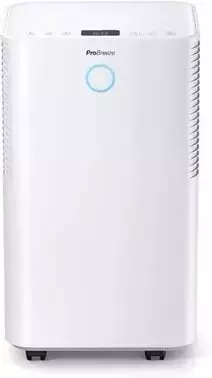
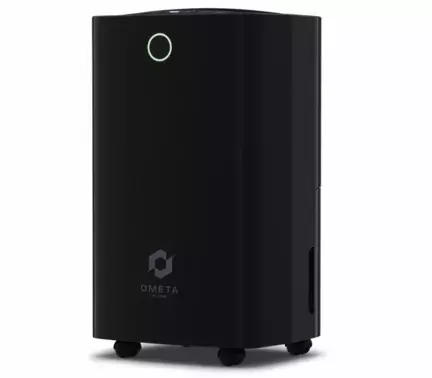
Dehumidifiers, often overlooked household devices, play a pivotal role in maintaining a healthy and comfortable living environment. They are particularly beneficial for homes prone to dampness or mold, and offer significant advantages for individuals suffering from allergies. Beyond these health benefits, a well-chosen dehumidifier can also contribute to lower energy bills. This comprehensive overview delves into the functional aspects of these appliances, discusses various models tailored to different requirements, and highlights their diverse applications, including expedited clothes drying.
A dehumidifier operates by drawing moisture from the surrounding air, resulting in a cleaner and healthier atmosphere within your home. Users can simply set their desired humidity level, and the device efficiently regulates it. For optimal indoor conditions, a humidity range of 40% to 60% is generally advised during warmer months, while 30% to 50% is recommended in colder periods. Exceeding 60% humidity can foster issues such as dampness, condensation, mold, and bacterial growth. Such conditions pose particular concerns for those with asthma and allergies, as mold can trigger respiratory problems, and damp carpets can harbor dust mites.
Dehumidifiers primarily fall into two categories: refrigerant (compressor) and desiccant. Refrigerant dehumidifiers function by using a chilled coil to condense moisture from the air, which then drips into a collection tank. Desiccant dehumidifiers, conversely, employ a rotating wheel coated with a water-absorbing material, similar to a sponge, and an internal heater to release the absorbed moisture into the tank. Desiccant models tend to emit some heat, making them suitable for unheated spaces, whereas refrigerant models may struggle in colder environments.
The moisture extraction capability of dehumidifiers is typically rated in liters per day, ranging from 10 to over 20 liters. However, it's important to note that actual collection rates may vary, especially in regions with lower humidity levels compared to where some devices are rated. Most dehumidifiers come with water tanks that need regular emptying, typically with capacities between 1 and 4 liters. For continuous operation without frequent manual emptying, some models offer a continuous drain function, allowing a hose to be connected directly to a drain.
Strategic placement of a dehumidifier is crucial for maximizing its effectiveness. Ideally, it should be situated in rooms where dampness is a concern. When in operation, it's advisable to keep windows and doors closed to concentrate its dehumidifying action. For bathrooms, placing the dehumidifier just outside the door can help draw out moisture from the room effectively. During winter, dehumidifiers prove invaluable for drying clothes indoors, offering a cost-effective and efficient alternative to conventional tumble dryers or radiator drying, which can otherwise increase indoor humidity. For best results, clothes should be hung on a drying rack in a small room alongside the dehumidifier, which will accelerate the drying process by extracting moisture from the garments.
Beyond clothes drying, dehumidifiers offer additional financial benefits. By reducing indoor moisture, they can contribute to warmer ambient temperatures, potentially lowering heating costs. Furthermore, they can eliminate the need for costly mold removal products or odor neutralizers. In terms of energy consumption, a typical portable dehumidifier uses approximately 30 to 50 watts per hour, making them a relatively energy-efficient appliance. While identifying the absolute most economical model can be challenging, as efficiency often depends on usage duration, brands like Meaco are generally recognized for producing highly economical dehumidifiers.
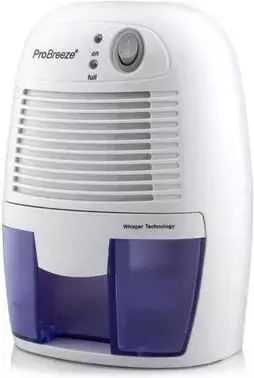
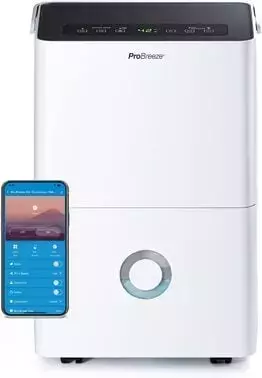
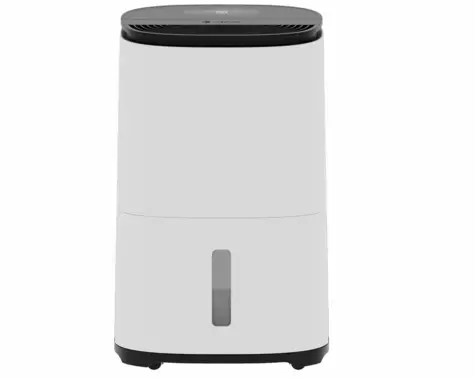
Ultimately, the "best" dehumidifier depends on individual needs and the specific dampness challenges within a home. The market offers a wide array of models with varying features and capacities, from smart-enabled devices for remote management to ultra-quiet units ideal for bedrooms, and compact options for smaller spaces. For those with severe damp issues or larger homes, models with higher daily capacities and larger tanks, such as the MeacoDry Arete One, are more suitable. Conversely, for targeted areas or budget-conscious consumers, smaller, more affordable options like the Pro Breeze Mini can be highly effective. The key is to assess your home's unique requirements to make an informed decision on an appliance that will effectively manage humidity and enhance overall living comfort.
Investing in a dehumidifier represents a proactive step towards creating a healthier and more comfortable living space. These devices offer a practical solution for combating excessive humidity, preventing the growth of mold and dust mites, and even streamlining household chores like laundry. By selecting a model that aligns with your specific needs, you can mitigate damp-related problems, improve air quality, and potentially reduce energy consumption, making it a valuable addition to any modern home.
