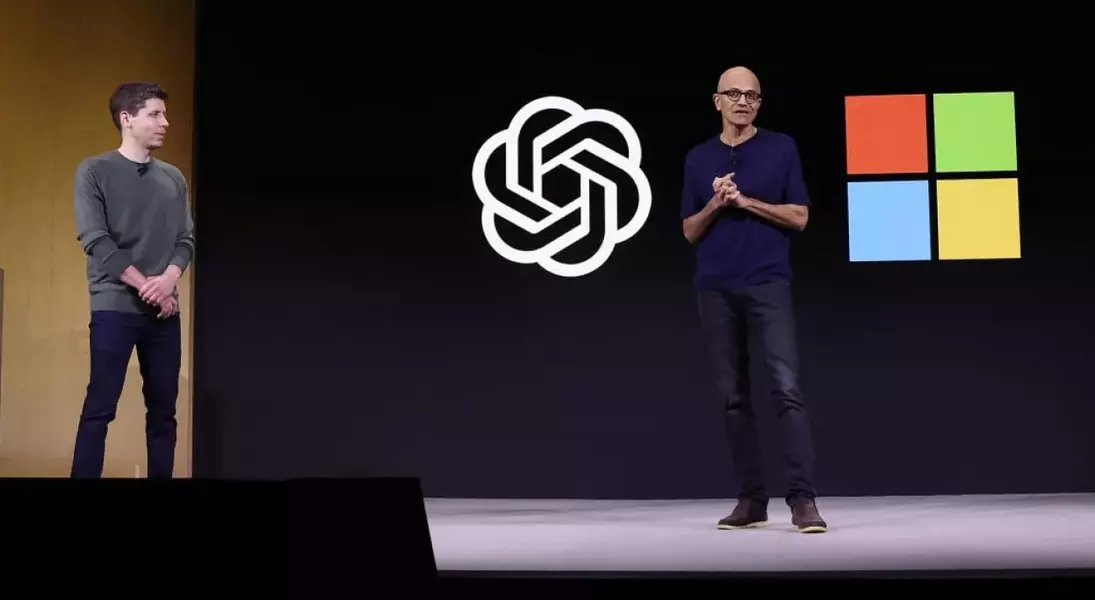
In a significant strategic pivot, Microsoft is embarking on the development of its own artificial intelligence models, signaling a potential shift away from its extensive reliance on OpenAI's technology. This decision comes amidst growing reports of a more intricate and at times strained relationship between the two AI giants. While Microsoft has historically poured billions into OpenAI and provided essential cloud infrastructure, enabling OpenAI's ascent as a leading AI developer, the dynamics of their partnership appear to be evolving. This proactive step by Microsoft suggests a desire to cultivate in-house AI capabilities, ensuring greater autonomy and potentially reshaping the competitive landscape of artificial intelligence.
In a notable development, on a recent Thursday, Microsoft unveiled two significant advancements in its AI portfolio. The tech giant officially launched MAI-Voice-1, a cutting-edge speech generation model designed for remarkable efficiency. This innovative model boasts the capability to generate a full minute of high-quality audio in less than a single second, all on a standard GPU. MAI-Voice-1 is already integrated into Microsoft's existing AI-powered services, enhancing features such as Copilot Daily and personalized Podcast content, providing users with AI-generated audio news summaries and bespoke audio experiences akin to other advanced systems. Simultaneously, Microsoft initiated public testing for MAI-1-preview, a foundational model currently accessible through platforms like LMArena for head-to-head comparisons and via API for a select group of trusted testers. The company plans to progressively roll out MAI-1-preview for various text-based applications within its Copilot chatbot, gathering crucial early user feedback. This strategic move highlights Microsoft's intent to diversify its AI reliance, especially as its longstanding collaboration with OpenAI navigates evolving market dynamics and reported underlying tensions. Despite substantial investments exceeding 13 billion dollars from Microsoft into OpenAI and providing critical cloud infrastructure, the relationship has grown complex, with OpenAI's increasing market influence and direct consumer and business offerings. Recent reports indicate a rising friction, particularly concerning OpenAI's ambition to transition into a for-profit public benefit corporation, a change requiring Microsoft's endorsement as a major investor. A key contractual clause stipulating the partnership's termination upon OpenAI achieving Artificial General Intelligence (AGI) is reportedly at the heart of ongoing renegotiations, with Microsoft seeking to secure continued access to OpenAI's advanced models. While Microsoft has yet to formally address these specific developments, its independent AI model initiatives underscore a determined effort to fortify its position in the rapidly accelerating field of artificial intelligence.
From a reflective vantage point, this strategic move by Microsoft reveals a fascinating and instructive narrative about the inherent complexities within high-stakes technological partnerships. It underscores the perpetual tension between collaboration and competition, even among entities that have historically benefited immensely from mutual support. The development of proprietary AI models by Microsoft, alongside its significant investment in OpenAI, paints a vivid picture of a tech landscape where innovation is relentless and strategic independence becomes a paramount objective. It serves as a reminder that even the most symbiotic relationships in the tech world are subject to re-evaluation and adaptation as market dynamics evolve and the quest for a competitive edge intensifies. This scenario offers valuable insights for any industry navigating rapid technological change, highlighting the importance of foresight, adaptability, and the courage to diversify one's foundational capabilities.
