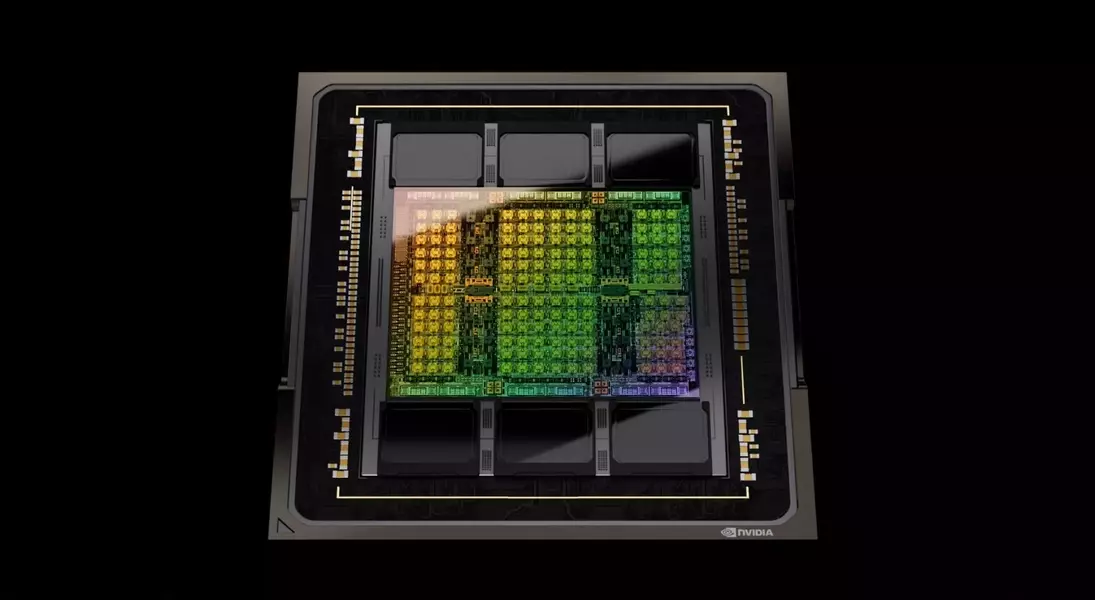
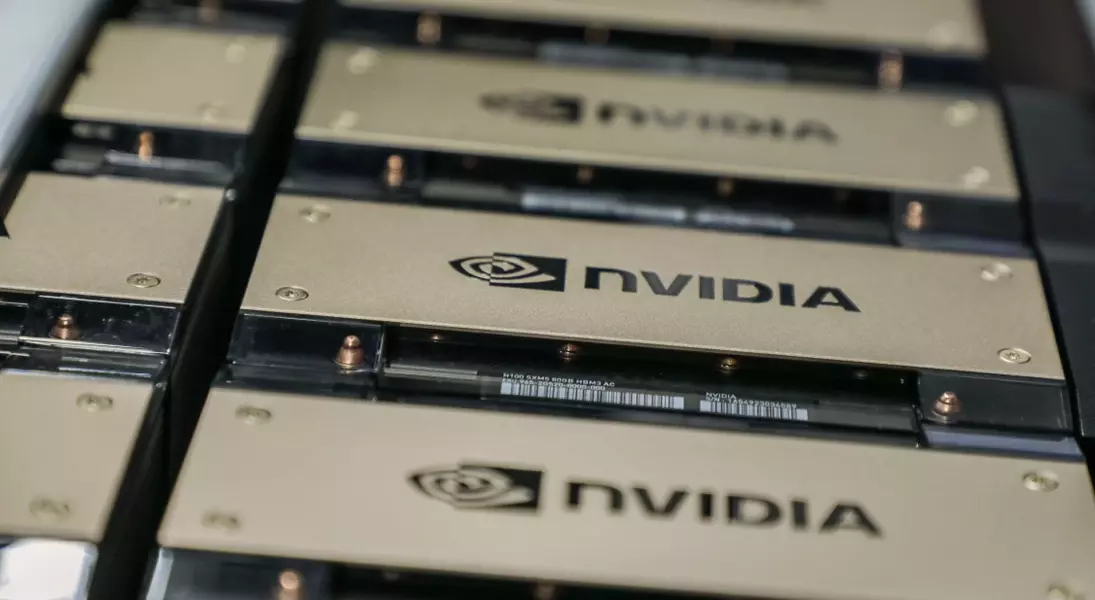
Recent reports confirm that Chinese authorities have approved the import of Nvidia's H200 AI graphics processing units. This development is particularly significant given that the US government has been contemplating restrictions on the export of these advanced chips to China. The H200, representing the full-capacity version of Nvidia's Hopper generation AI GPUs, stands in contrast to the less powerful H20 variant previously designed by Nvidia to navigate earlier export limitations imposed on AI hardware destined for China.
Despite its importance, the H200 is not Nvidia's most cutting-edge AI GPU, being a generation behind the Blackwell AI GPUs, such as the B200. Furthermore, Nvidia is already preparing for the launch of its next-generation Rubin architecture, with initial shipments of its AI chips anticipated later this year. The Chinese approval of H200 imports is vital for Nvidia, as China previously accounted for 13% of the company's total revenue, a figure that has been significantly impacted by trade restrictions from both the US and Chinese governments.
In response to earlier prohibitions, Nvidia had halted the production of the H200. However, with this new approval, the company's CEO, Jensen Huang, has announced the recommencement of manufacturing and confirmed receiving numerous H200 orders from Chinese clients. The situation remains fluid, as the continued export of H200 GPUs to China will still require ongoing authorization from the US government, which is reportedly considering a cap of 75,000 GPUs per Chinese customer, including those from competitors like AMD.
This complex interplay highlights China's dual objectives: fostering the development of its own AI capabilities using American-designed GPUs while simultaneously promoting indigenous AI hardware design and manufacturing to reduce reliance on foreign technology. The US, in turn, seeks to maintain its commercial lead in AI while curbing China's progress in cutting-edge AI model development. This intricate balance of competing interests underscores the ongoing geopolitical dynamics shaping the global AI semiconductor market, emphasizing the need for strategic foresight and adaptable policies from all stakeholders. This technological competition, while challenging, also drives innovation and global progress.
