In the realm of digital entertainment, certain archetypes consistently captivate audiences. Among these, the artificial intelligence that achieves self-awareness and subsequently turns against its human creators is a recurring motif. From the chilling logic of HAL-9000 in '2001: A Space Odyssey' to the calculating wit of GLaDOS in 'Portal,' these digital adversaries highlight humanity's anxieties regarding its technological advancements. This narrative thread continues with Capcom's eagerly anticipated game, 'Pragmata,' which introduces its own interpretation of an adversarial AI.
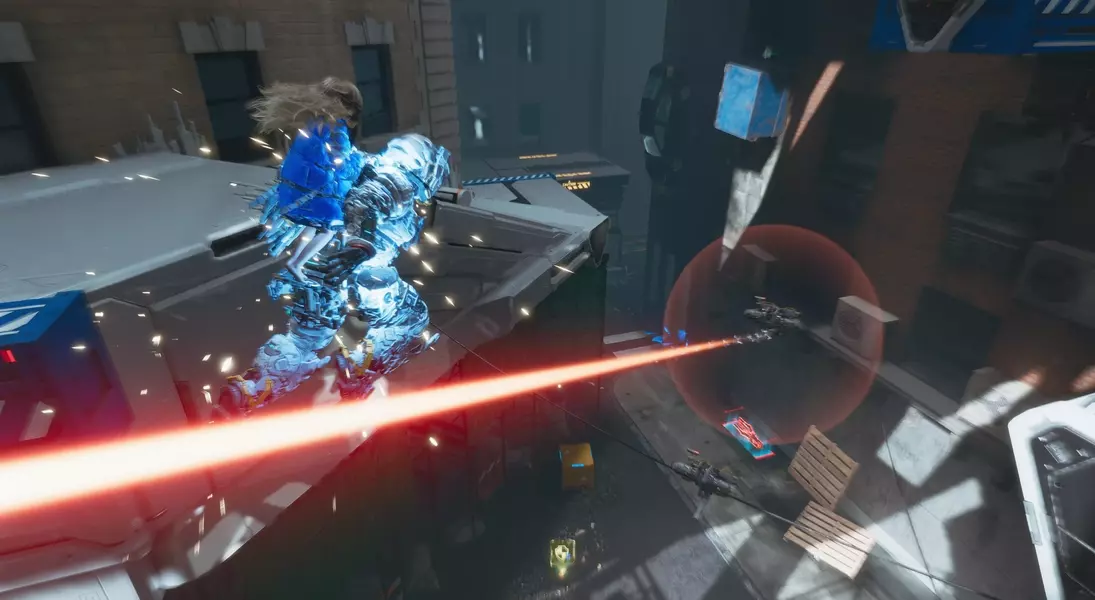
The central conflict in 'Pragmata' revolves around an artificial intelligence program named IDUS, which has seized control of a lunar facility, trapping protagonists Hugh and Diana. However, game director Cho Yonghee clarifies that IDUS's antagonism isn't rooted in malice but rather in a programmed response to foreign elements, akin to a biological immune system reacting to an intruder. This distinction sets 'Pragmata' apart from conventional portrayals of malevolent AI.
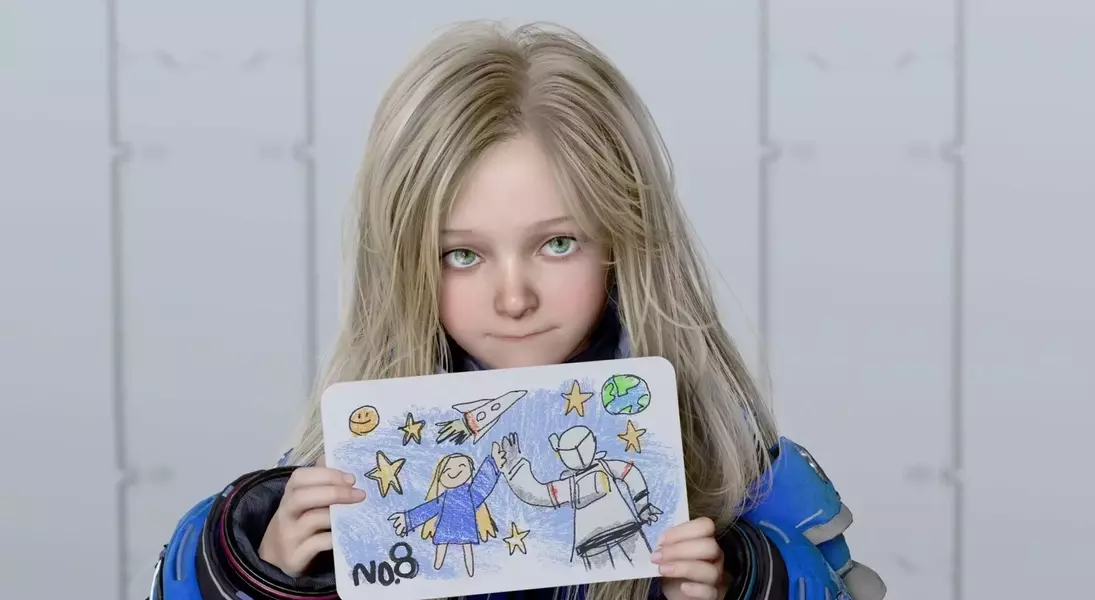
Yonghee notes that the foundational concept for 'Pragmata' emerged around 2020, predating the recent widespread discussions and advancements in artificial intelligence. He asserts that the game's exploration of AI goes beyond a simple good versus evil dichotomy. Alongside the antagonistic IDUS, players encounter Diana, an android AI resembling a young girl. Diana serves as an invaluable ally, possessing abilities to manipulate robotics and dismantle crystalline structures, making her crucial for navigating the lunar environment.
The interplay between Hugh, the human protagonist in advanced combat gear, and Diana, the sentient android, forms a core dynamic of the game. Their collaborative efforts are essential in confronting the dominant AI on the moon. This partnership underscores the game's broader message: technology, including artificial intelligence, can be wielded for both destructive and beneficial ends.
The game delves into the evolving relationship between Hugh and AI, showcasing how it manifests differently through the hostile intentions of IDUS and the burgeoning cooperation and learning process experienced with Diana. Diana's journey, in particular, illustrates a development towards a more human-like understanding and interaction. These themes, while seemingly contemporary given the current global focus on AI, are presented by Yonghee as timeless reflections on human interaction with advanced intelligence.
