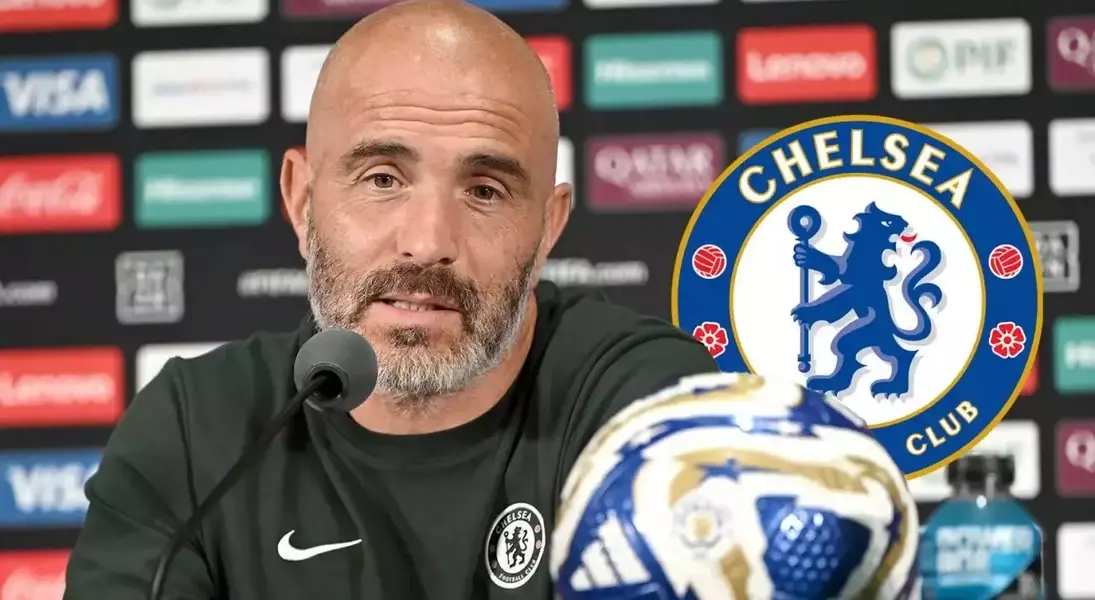
A recent divergence has emerged between Chelsea's manager, Enzo Maresca, and the club's administration regarding player acquisitions, particularly concerning the need for an additional central defender. Maresca, fresh off a successful season that secured Champions League football and silverware, voiced his concerns following Levi Colwill's injury, emphasizing the void left in the team's build-up play. He articulated the necessity for a new central defender, stating that while internal solutions are being explored, the club is fully aware of his viewpoint on the matter.
However, the club's decision-makers appear disinclined to accede to Maresca's public demands. They point to young talent like Josh Acheampong, who performed capably in Colwill's absence, as evidence of existing internal depth. Furthermore, with players like Tosin Adarabioyo poised to return and several other defenders on the roster, Chelsea's leadership seems to be reinforcing their stance that excessive spending is not the immediate answer to every challenge. The narrative suggests that the club's recruitment policy, overseen by recently re-contracted sporting directors, is rooted in building a resilient squad capable of weathering unforeseen circumstances, including key player injuries, without constant recourse to the transfer market. This robust strategy is not subject to public commentary from the coaching staff, irrespective of their achievements.
This situation appears to be a crucial test of wills between the manager and the club's board, reminiscent of a child accustomed to getting their way finally being told 'no'. While Maresca's desire for a new center-back is understandable, given Colwill's importance, Chelsea's firm stance serves as a reminder that the club's long-term vision and financial discipline are paramount. Continuous public grievances from the manager risk fostering internal discord, potentially straining the relationship with those who initially brought him aboard as an ally. Ultimately, the club seems committed to demonstrating that not every request, even from a successful manager, will be immediately granted, and that transparency about internal matters is best maintained within the organization.
This episode underscores the intricate balance between managerial autonomy and institutional strategy in professional football. It highlights the importance of a unified vision and disciplined approach to resource management within a major sports organization. Embracing shared goals and working collaboratively, even when faced with differing perspectives, is crucial for sustained success and harmonious operations, allowing both individual brilliance and collective strength to flourish.
