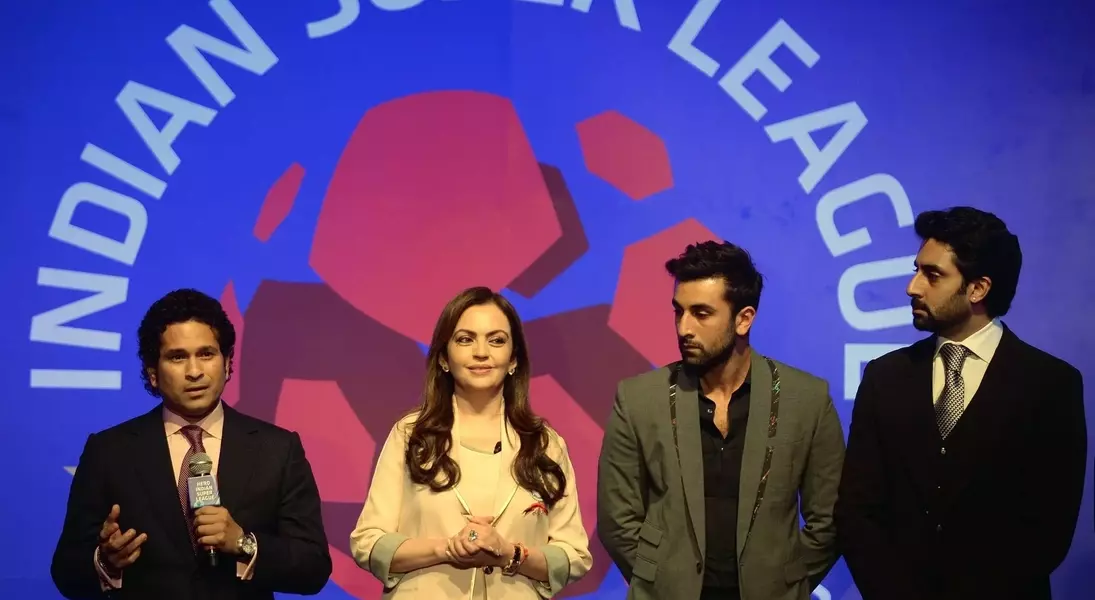
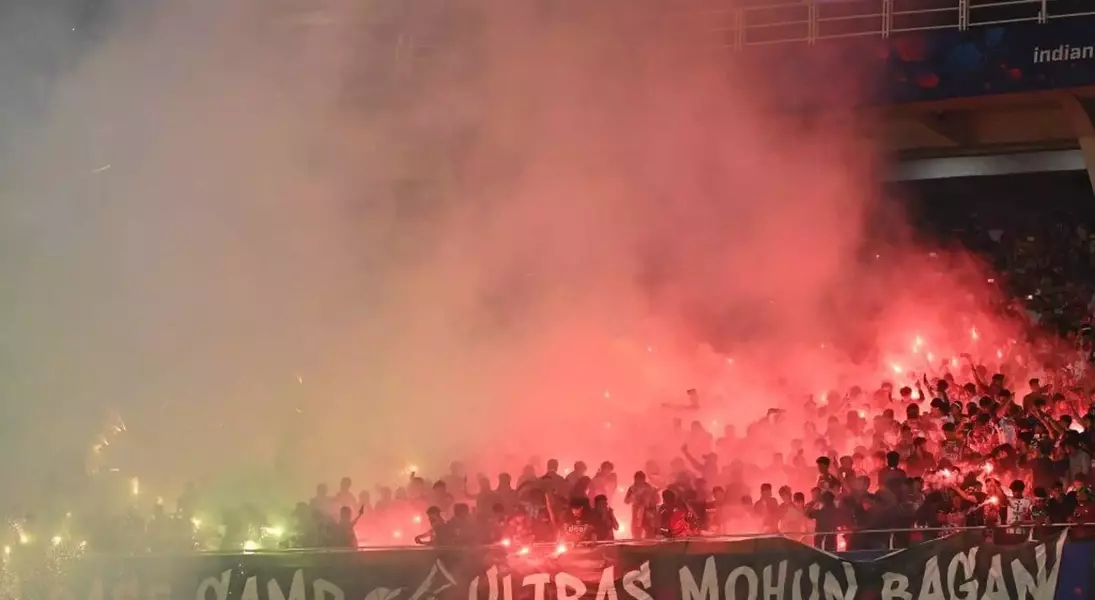
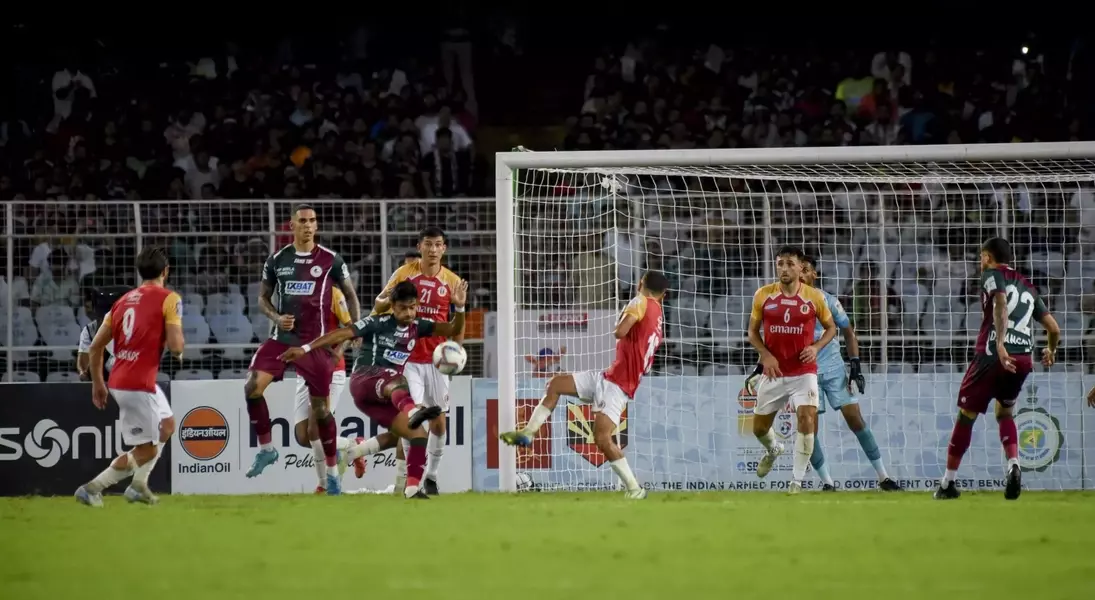

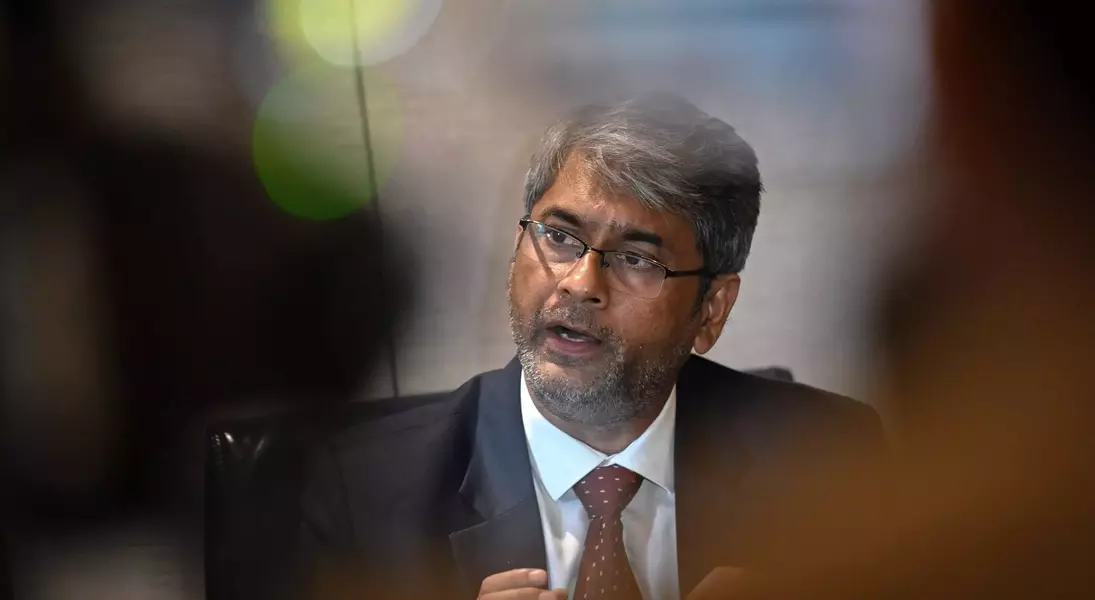
The Indian Super League (ISL) is currently grappling with a profound crisis, plunging the nation's premier football competition into an unprecedented state of uncertainty. What initially began as a brief postponement of pre-season training has escalated into an indefinite suspension of the 2025-26 season, leaving countless individuals connected to the sport in a precarious position. The core of this upheaval lies in a protracted disagreement over the future financial structure and revenue distribution between the All India Football Federation (AIFF), the sport's governing body in India, and Football Sports Development Ltd (FSDL), the entity responsible for managing the ISL. This dispute, coupled with an impending decision from the Indian Supreme Court regarding the AIFF's constitutional validity, has created a complex web of legal and financial challenges. As a direct consequence, several clubs, including Bengaluru, Chennaiyin FC, and Odisha, have been forced to cease operations or suspend wage payments, igniting fears about the long-term viability of the league and the livelihoods of its participants.
The origins of the current predicament can be traced back to a 2010 Master Rights Agreement (MRA) between the AIFF and FSDL, a 15-year pact intended to commercialize and develop Indian football. While the initial vision aimed to transform the ISL into a commercial powerhouse, resembling the success of the Indian Premier League in cricket, these aspirations have largely gone unfulfilled. FSDL has not realized the anticipated profits, leading to a contentious renegotiation of the MRA as its expiration nears in December 2025. The critical sticking point remains the fair distribution of profits, a matter that should ideally have been settled long ago. Furthermore, a Supreme Court case concerning the AIFF's constitution has prohibited the federation from making significant decisions, including renewing the MRA, until a verdict is reached. This judicial intervention has effectively brought all progress to a standstill, leaving the fate of the ISL hanging in the balance, with scenarios ranging from a shortened season to complete cancellation, or even the league's dissolution, being considered real possibilities by those involved.
The prolonged silence and pervasive uncertainty are taking a heavy toll on the Indian football fraternity. Players, who are still contractually bound to their clubs but find themselves without a clear return-to-work date or assurance of future wages, are particularly vulnerable. Organizations like FIFPro, the global players' union, have stepped in to advocate for clarity and support. The crisis extends beyond the players, impacting a wide array of individuals, including support staff, coaches, and administrators, many of whom are on modest incomes and now face severe financial hardship. While some players have managed to find opportunities elsewhere or mutually terminate their contracts, this is not a universal solution, especially for domestic players whose options are limited given the national team's modest global ranking. The situation underscores a critical need for robust governance reforms within Indian football to prevent such crises from recurring, ensuring the stability and prosperity of the sport for all its stakeholders.
This challenging period for Indian football highlights the profound impact that governance and financial stability have on the entire ecosystem of a sport. It serves as a stark reminder that the success and continuity of professional leagues depend on transparent agreements, proactive management, and a deep commitment to the welfare of all individuals involved. Overcoming this crisis will require decisive leadership, equitable negotiations, and a unified vision for the future of football in India, paving the way for a more resilient and thriving sporting landscape.
