The Consumer Electronics Show (CES) 2026 showcased a noticeable shift in focus, with artificial intelligence (AI) taking center stage. This year's event sparked mixed reactions, particularly within the PC gaming community, where enthusiasm was tempered by concerns over product relevance and affordability.
CES 2026: The AI Takeover - Where Are the Gaming Innovations?
A Shifting Landscape: AI's Pervasive Presence at CES
For many years, the Consumer Electronics Show has served as a barometer for technological trends. This year's iteration continued a noticeable pattern: the pervasive influence of artificial intelligence. Prototypes, conceptual designs, and AI-driven solutions were prominently featured across the exhibition floor, underscoring the industry's deepening commitment to this emerging technology. While not entirely unforeseen, the extent of AI's dominance prompted a critical re-evaluation of the show's overall direction, particularly from the perspective of dedicated PC gamers.
Consumer Concerns: The Dual Impact of High Costs and AI-Centric Offerings
A recurring theme among consumers, particularly PC enthusiasts, was the escalating cost of hardware. The current market sees components, such as RAM, experiencing significant price hikes, impacting the broader PC building landscape. This financial strain, coupled with the industry's intense focus on AI products, has led to a sense of disillusionment. Many gamers expressed that while the industry is pushing AI innovations, their primary concerns revolve around accessible and affordable core gaming hardware, leaving them questioning the immediate value proposition of many showcased technologies.
Community Backlash: Questioning the Demand for AI Gadgets
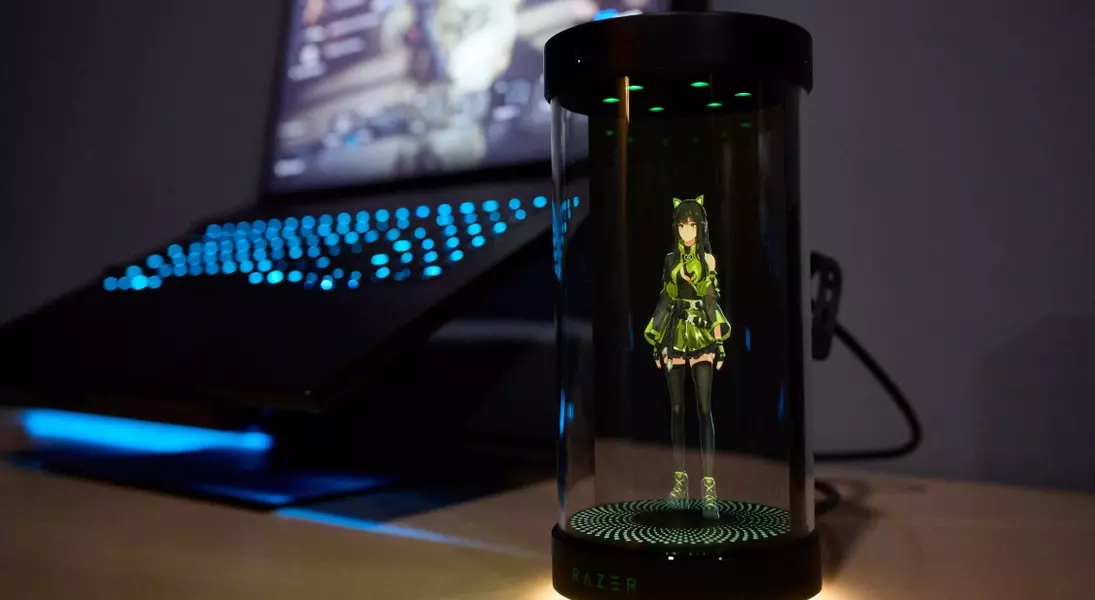
The sentiment of skepticism was amplified across various online platforms, from live blogs and social media to prominent gaming forums. Products like Razer's "Project Ava," a holographic AI desktop companion, were met with strong negative reactions. Comments frequently reflected a bewilderment regarding the necessity and desirability of such AI-centric devices for a gaming audience. This collective questioning suggests a significant gap between what technology companies are developing and what a substantial portion of the consumer base genuinely seeks or perceives as beneficial.
Industry's Detachment: Prioritizing AI Over Core Gaming
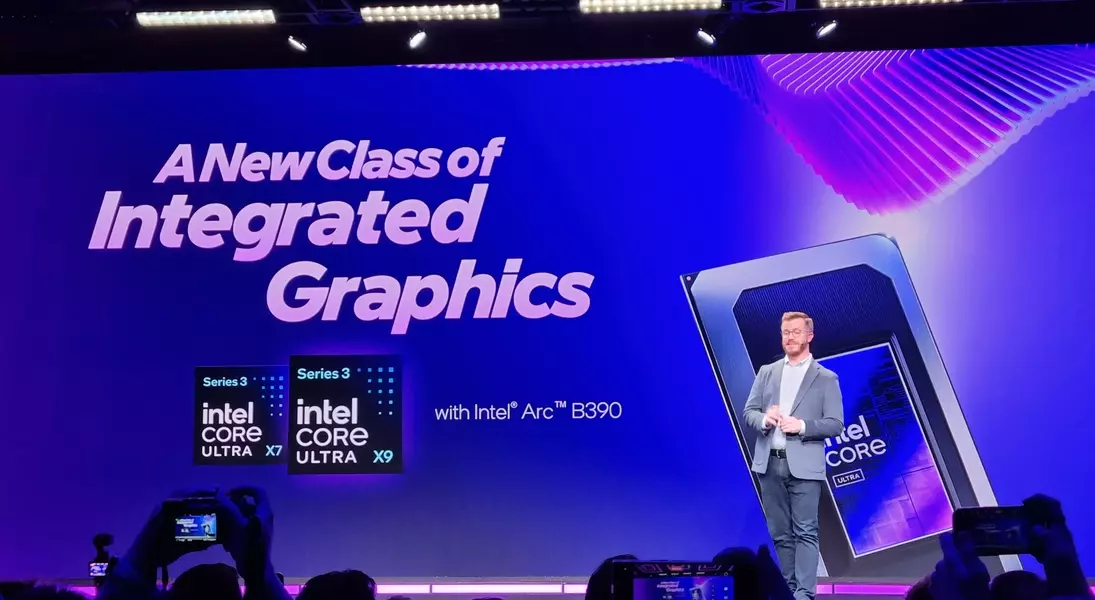
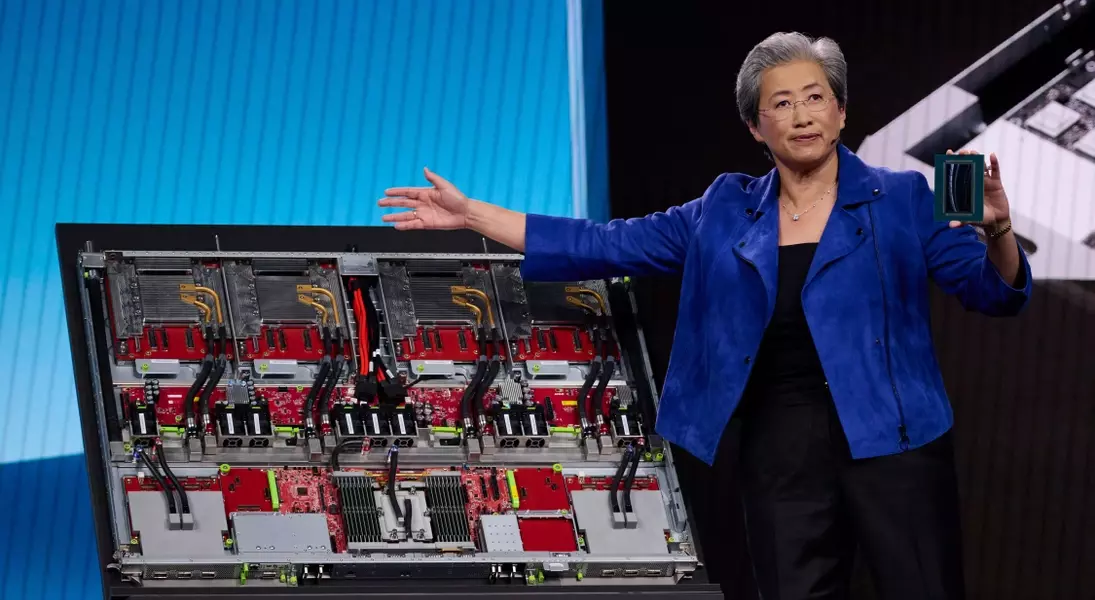
Major industry players, including Lenovo, Nvidia, and AMD, largely dedicated their CES presentations to AI advancements, often sidelining traditional gaming announcements. This strategic pivot left many attendees and viewers feeling neglected. Even when companies had promising gaming-related news, such as Lenovo's SteamOS Legion Go 2, these were often overshadowed by exhaustive discussions about AI. This imbalance underscores a perceived detachment from the immediate needs and desires of the gaming community, leading to a sense of frustration among those hoping for more tangible gaming hardware revelations.
Glimmers of Hope: Niche Innovations Amidst the AI Tide
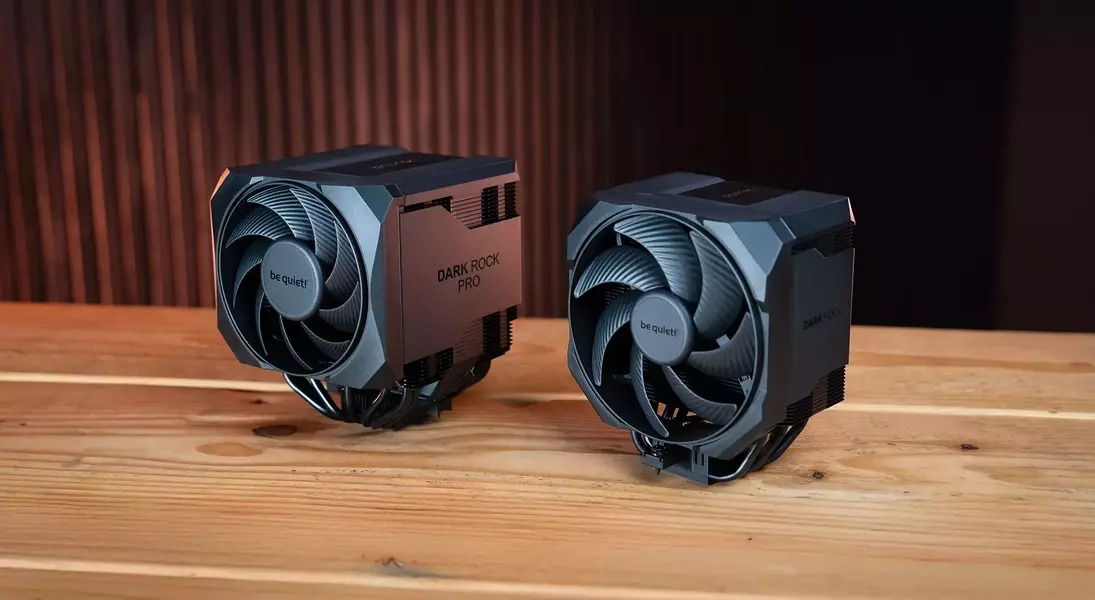
Despite the prevailing AI narrative, CES 2026 did offer some noteworthy developments for PC gamers. Companies like Be Quiet! introduced practical and exciting new components, including liquid coolers, air coolers, and power supplies, which were well-received. Corsair unveiled new high-end gaming mice and an innovative, albeit expensive, keyboard. Asus also showcased intriguing concepts, such as a holographic fan chassis and dual-screen laptops. However, these innovations, often accompanied by high price tags and limited availability, remained largely out of reach for the average consumer, further contributing to the overall sense of unease regarding the accessibility of cutting-edge technology.
The Path Forward: Realigning Industry Focus with Consumer Needs
The experience at CES 2026 highlighted a growing divergence between the tech industry's strategic direction and consumer expectations, particularly within the PC gaming sector. While AI's potential is undeniable, the show's overwhelming emphasis on it, coupled with escalating hardware costs, left many gamers feeling overlooked. A notable exception, Dell, recognized that consumer demand for AI in personal computing is not as widespread as business interest. This perspective suggests a need for the industry to reassess its priorities, ensuring that future innovations genuinely address the evolving needs and financial realities of its diverse consumer base, fostering a more balanced and exciting future for PC hardware and gaming.
