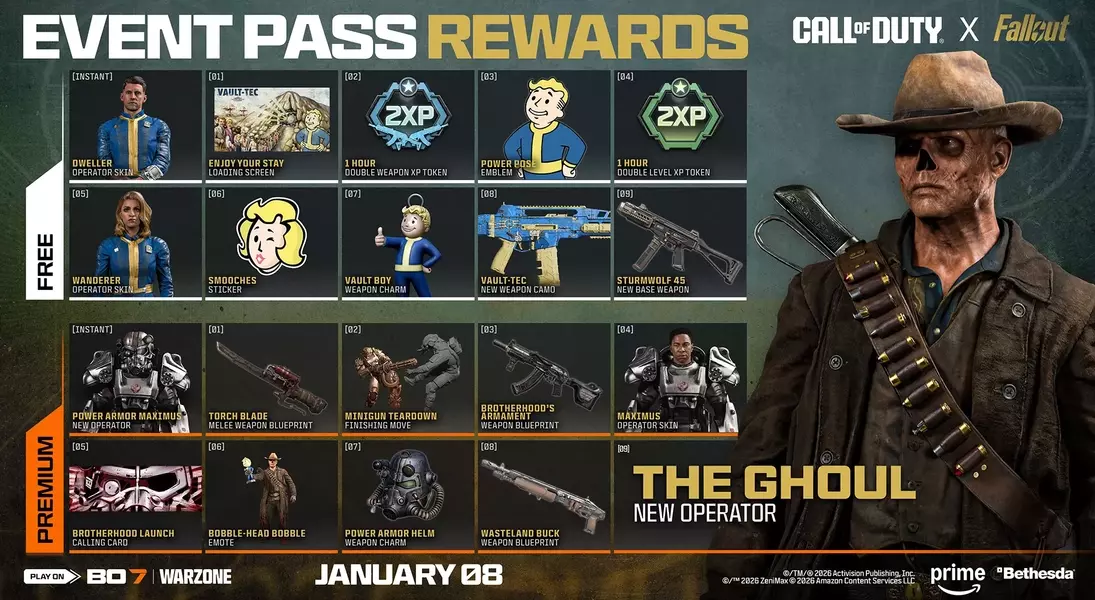
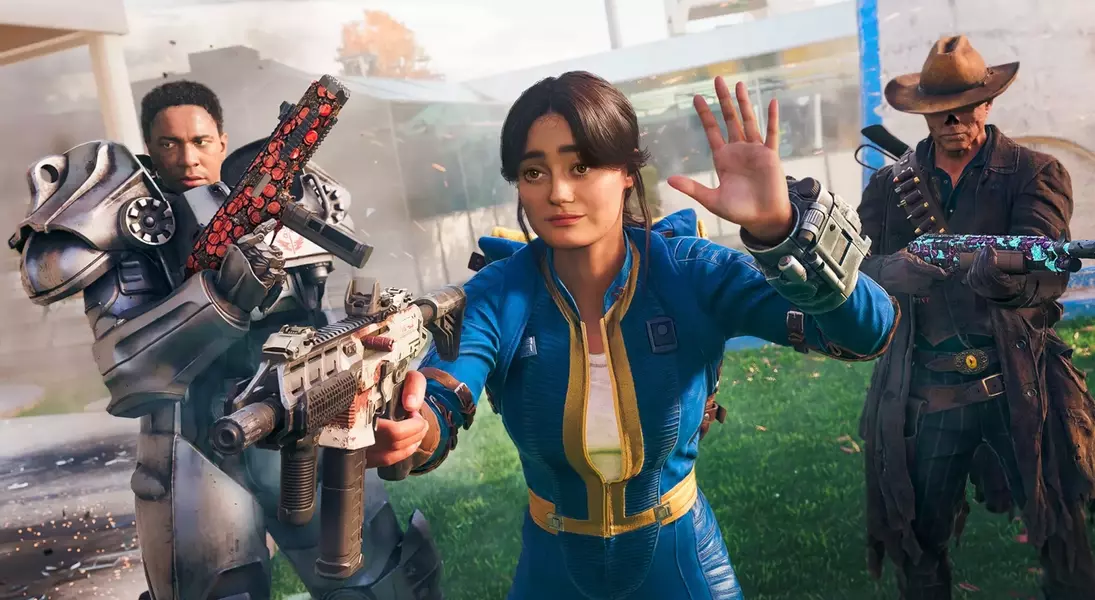
Call of Duty: Black Ops 7 has just received its first mid-season update, bringing with it an unexpected yet significant brand collaboration: a full-fledged Fallout crossover. This event, which includes unique operator skins, themed game modes, and even a Vault-Tec themed Nuketown map, marks a notable shift in Activision's approach to in-game cosmetics, especially after previous criticisms regarding authenticity in Black Ops 6.
Activision's Tactical Retreat: Fallout Enters Call of Duty
In a surprising development for the gaming community, Activision has rolled out a major brand crossover, integrating the post-apocalyptic world of Fallout into Call of Duty: Black Ops 7. This mid-season update, which commenced today, introduces a variety of Fallout-themed content, including operator outfits reminiscent of the series' main characters, specialized game modes, and a complete aesthetic overhaul of the iconic Nuketown map, now reimagined with Vault-Tec motifs. This extensive collaboration is strategically timed to coincide with the second season of the popular Fallout Amazon series. The move is particularly noteworthy given Activision's previous assurances, made in August 2025, that Black Ops 7's cosmetic offerings would prioritize authenticity and align with the game's established setting. This commitment came after widespread player dissatisfaction with what was dubbed Black Ops 6's "uglification problem," characterized by "gaudy" cosmetic items like Beavis and Butthead and American Dad partnerships that many felt detracted from the game's immersive experience. While Activision never explicitly ruled out brand partnerships, the integration of Fallout, a franchise with a distinctly different aesthetic, represents a clear deviation from their stated intention to keep cosmetics feeling "authentic to Call of Duty and its setting." Despite this policy pivot, the reception to the Fallout crossover has been largely positive or neutral. The inherent visual compatibility between Fallout's retro-futuristic, weathered aesthetic and Black Ops 7's grittier tone has seemingly placated potential critics. Players have noted that Vault-Tec jumpsuits and power armor, while distinct, blend surprisingly well with the existing roster of robotic operatives and special forces soldiers. This lukewarm response, coupled with the immense popularity of the Fallout television series and a general decline in Call of Duty's overall player engagement this year, suggests that Activision may have found a palatable middle ground for crossovers. The success of this collaboration may indicate a new strategy for the publisher: integrating external brands that, despite originating from different universes, share enough thematic or visual commonality to feel like a "natural fit" within the Call of Duty ecosystem, much like the successful, aesthetically congruent crossovers seen in other popular titles such as Helldivers 2.
This latest crossover in Black Ops 7 highlights an evolving landscape in the gaming industry, where fan feedback on cosmetic authenticity is acknowledged but ultimately balanced against the commercial appeal of popular collaborations. It suggests that while players value immersive experiences, they are also receptive to well-executed integrations that leverage the broader pop culture zeitgeist, provided these additions resonate with the game's core feel. This shift may pave the way for more diverse and imaginative partnerships in the future, as developers explore how to expand their in-game universes without alienating their dedicated player base.
