














In the vast universe of interactive entertainment, where creative worlds come to life through digital artistry, some games distinguish themselves by offering an unparalleled journey through their meticulously crafted environments. While even the most celebrated titles can have their occasional missteps, a select few rise above, presenting a continuous stream of brilliantly designed stages that captivate players from start to finish. These are the games that etch themselves into our memories, compelling us to revisit their perfectly balanced challenges and innovative landscapes time and again, long after other titles have faded from recollection.
A Deep Dive into Gaming's Masterful Worlds
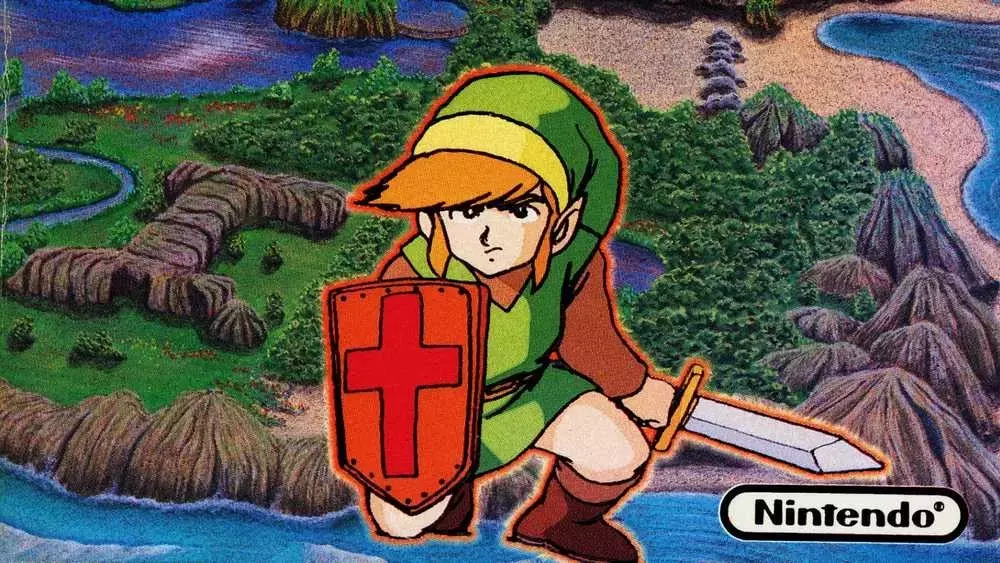
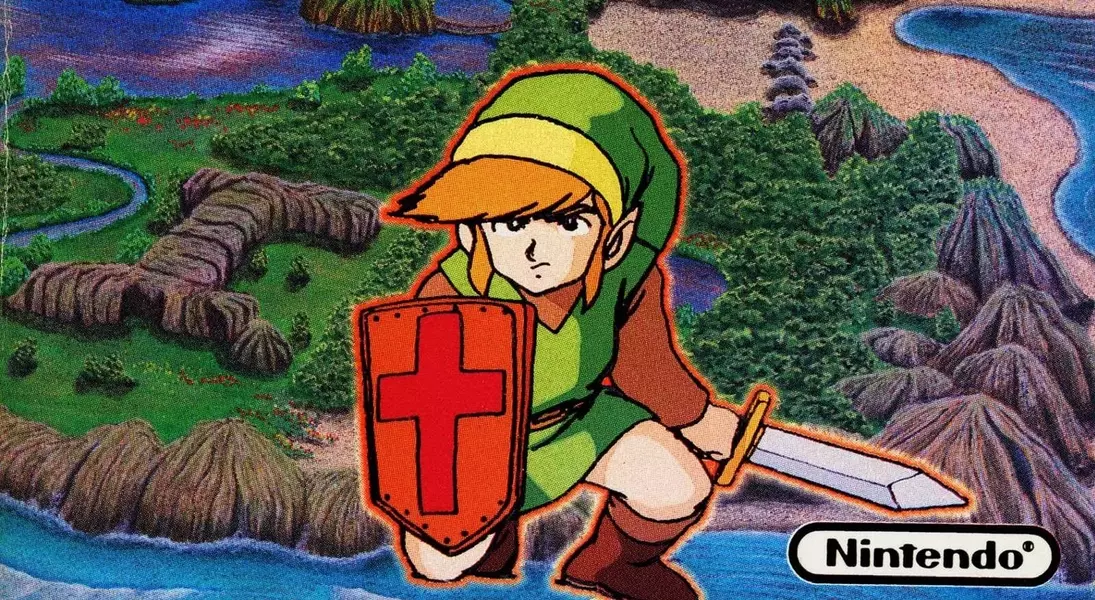
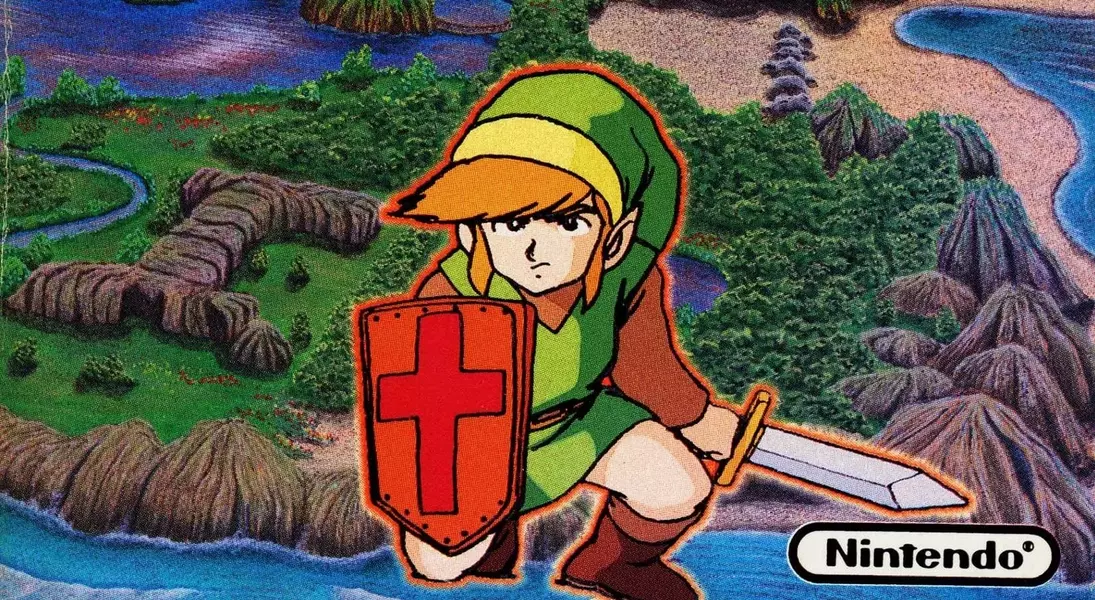
Our exploration begins with the foundational "The Legend of Zelda" (NES), launched on February 21, 1986. Though its puzzles and mechanics may appear straightforward by today's sophisticated standards, the distinct atmospheric hues of its dungeons and cleverly integrated gameplay twists—such as an entire second quest featuring illusionary walls and unexpected power-downs—set a groundbreaking precedent for immersive adventure.
Next, we pivot to the exhilarating realm of "Tony Hawk's Pro Skater 2" (PS1), which burst onto the scene on September 20, 2000. This game redefined level design for sports simulations, transforming familiar urban and exotic locales into dynamic skate parks. Players could execute gravity-defying stunts and chain together combos, accumulating points to unlock further captivating destinations. Each new environment promised novel thrills, encouraging countless hours of exploration and competitive play, a sentiment echoed by its modern remasters.
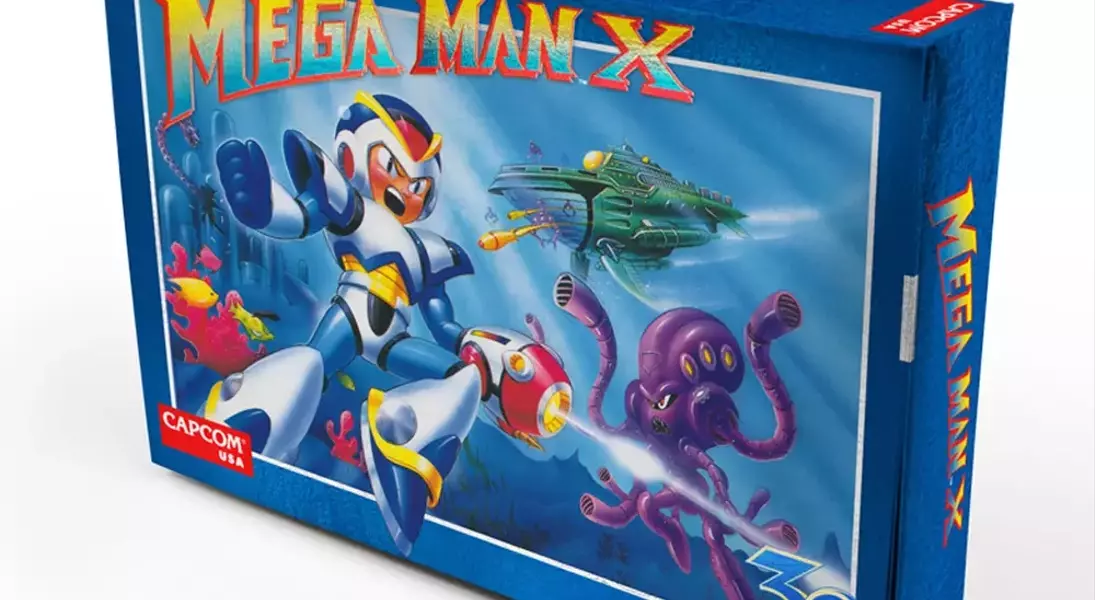
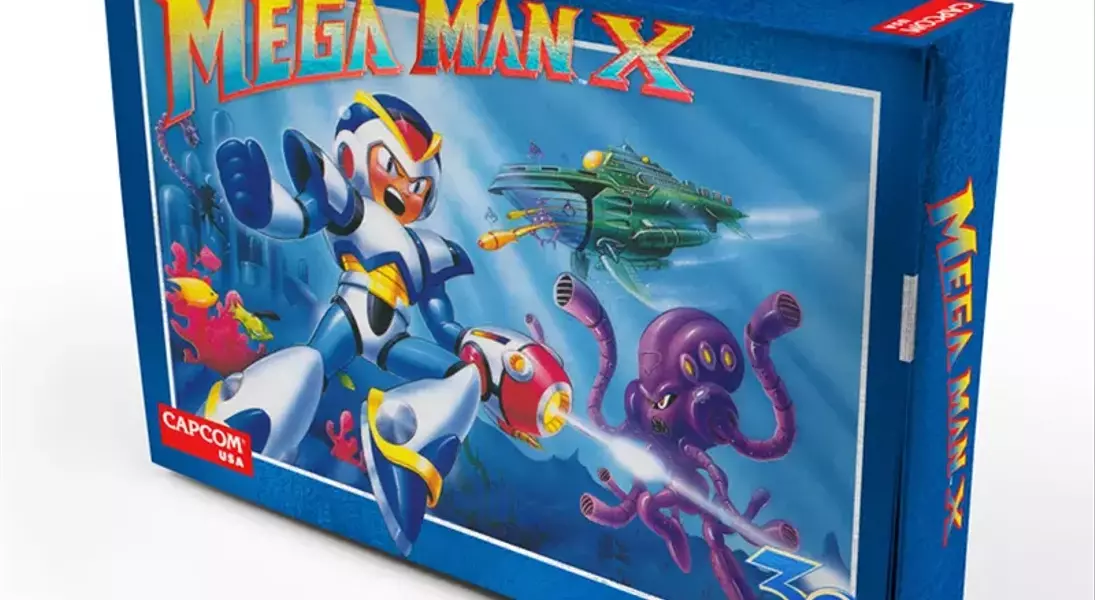
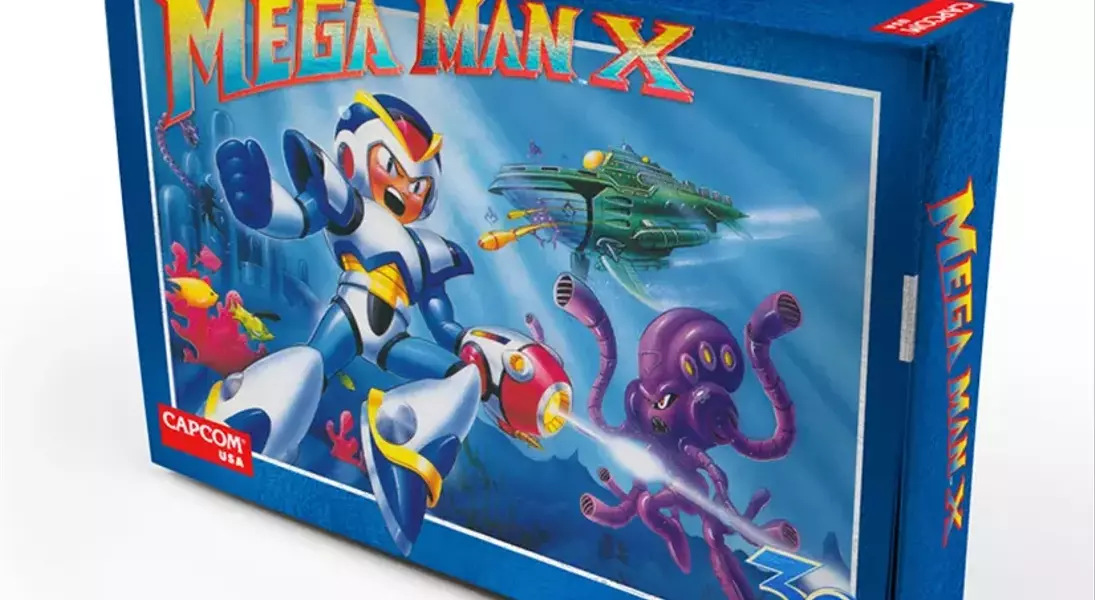
December 17, 1993, marked the arrival of "Mega Man X" (SNES). Leveraging the enhanced capabilities of the Super Nintendo, this installment transcended its predecessors by offering a fluid, interconnected world where players could strategically choose their path. The sheer variety of its stages, from ravaged highways and subterranean mines to icy tundras navigated in powerful mechs, showcased a design philosophy that made every moment a discovery. Capcom's forthcoming "Mega Man: Dual Override" for 2027 promises to carry this legacy forward.
Nintendo's enduring expertise in crafting engaging experiences shines brightly with "Super Mario Bros. 3" (NES), released on October 23, 1988. This game perfected the platforming formula by introducing expansive world maps and optional levels that were so enjoyable, players willingly tackled them even when not required for progression. Each stage skillfully introduced fresh mechanics, adversaries, and environmental challenges, demonstrating an unmatched commitment to innovation that influenced subsequent titles in the beloved series.
Moving into the modern era, "Celeste" (multiplatform), debuting on January 25, 2018, offers a poignant and demanding platforming experience. Inspired by predecessors like "Super Meat Boy" but with a sensitive narrative focus on mental health, its bite-sized segments challenge players with crumbling platforms, air dashes over chasms, and precarious wall climbs. The game's organic difficulty progression and optional, deviously placed collectibles encourage persistence and mastery, transforming daunting obstacles into rewarding triumphs.
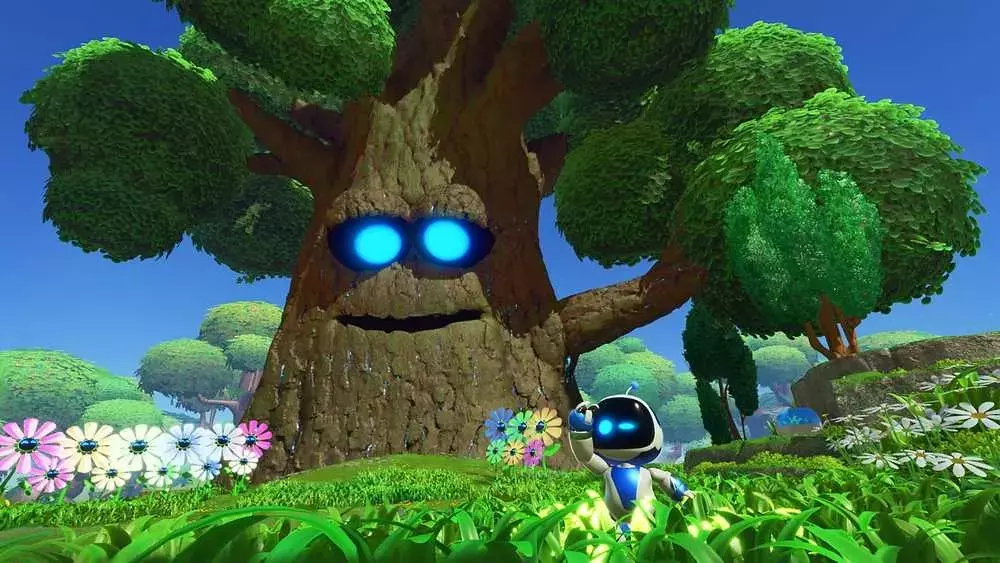
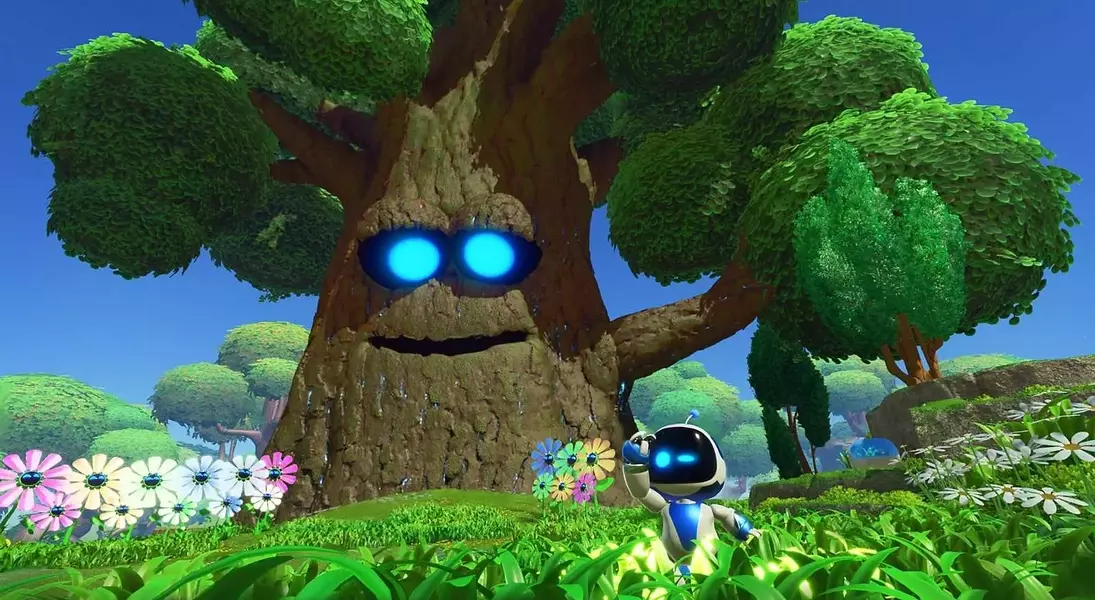
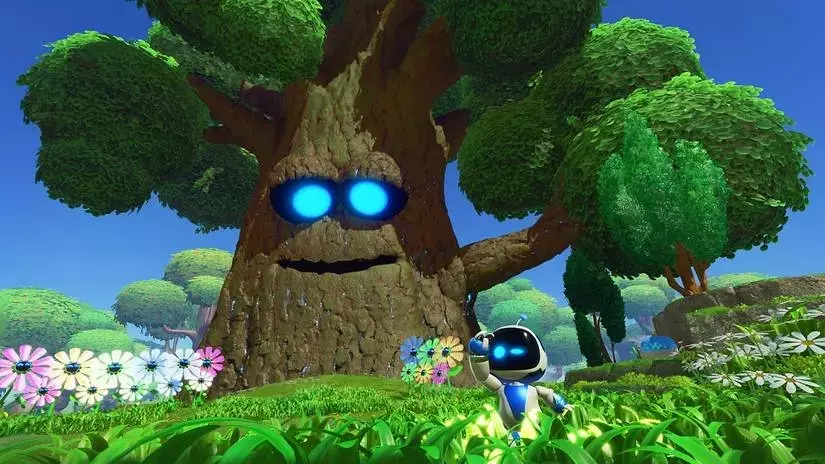
Released on September 6, 2024, "Astro Bot" (PS5) emerges as a formidable challenger to the established giants of 3D platforming. Developed by Team Asobi, this title brims with creative energy, featuring diverse levels reminiscent of "Super Mario Galaxy." Its consistent stream of novel experiences ensures that there's never a dull moment, with optional, intensely challenging segments providing depth for dedicated players while maintaining an accessible and joyful core experience for everyone.
"Kirby and the Forgotten Land" (Switch), launched on March 25, 2022, took a bold new direction for the Kirby franchise. Shifting from a traditional 2D perspective to a hybrid 3D approach, it packed its stages with alternative routes, hidden treasures, and engaging challenges. Kirby's new abilities interacted seamlessly with these inventive environments, creating a relaxing yet rewarding adventure that was further enriched by subsequent DLC, adding even more meticulously designed levels.
The arcade-born "Super Monkey Ball" (GameCube), making its console debut in May 2001, offered a deceptively simple yet profoundly addictive premise. Players maneuvered a ball through space-suspended islands to a goal, collecting bananas along the way. Its concise, progressively challenging stages fostered a drive for perfection, ensuring that each successfully conquered level felt like a significant achievement, compelling players to master every intricate detail.
For those who appreciate the spirited, often chaotic energy of games like "Wario Land," "Pizza Tower" (Switch, PC), released on January 26, 2023, is a delightful revelation. This game liberates players from instant failure, allowing them to survive falls and enemy encounters at the cost of a perfect score. This design encourages bold exploration and experimentation with transformative abilities, turning every winding corridor and peculiar foe into an opportunity. While its boss battles demand a different skill set, the core level design is a masterclass in engaging, replayable entertainment.
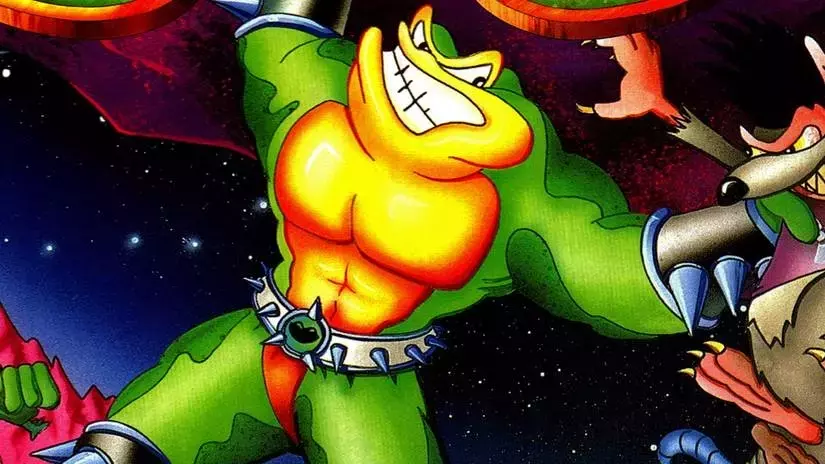
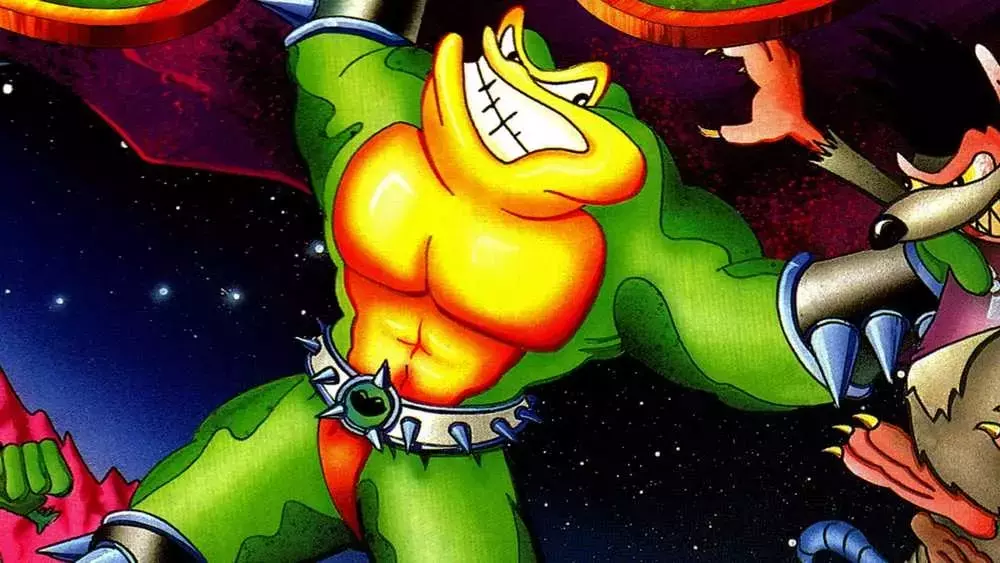
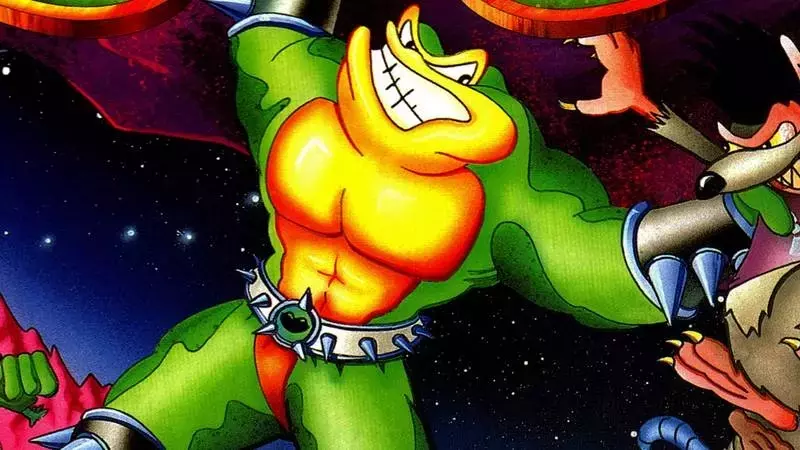
Finally, "Battletoads" (NES), which debuted in June 1991, stands as a testament to challenging yet unforgettable level design. Despite its infamous difficulty, each stage, from spike-filled pits and lava-laden rocket rides to treacherous rapids, was so inventive and visually distinct that players were driven to refine their skills. Even the notorious speed tunnel, a common roadblock for many, became a conquerable feat through memorization and perseverance, proving that exceptional design can inspire dedication even in the face of extreme challenge.
The video game industry continually evolves, pushing the boundaries of what is possible within virtual landscapes. The titles highlighted here, spanning generations and platforms, serve as a powerful reminder of the enduring impact of exceptional level design. They teach us that whether through intricate puzzles, dynamic combat arenas, or vast open worlds, a well-crafted environment is not merely a backdrop but an integral component of the player's journey. These games demonstrate that when designers meticulously blend creativity with challenge, they create experiences that resonate deeply, fostering a sense of accomplishment and a desire to endlessly explore. As we look to the future, these masterpieces inspire new creators to innovate, ensuring that the art of level design remains at the heart of compelling interactive storytelling, inviting players to lose themselves in brilliantly constructed worlds and emerge with unforgettable memories.
