



Nvidia's latest DLSS 5 technology has officially arrived, making its debut in NBA 2K27. While visually impressive, initial tests on a powerful RTX 5080 setup reveal a substantial performance cost, with frame rates plummeting by as much as 73% in certain scenarios. This raises questions about the practical application of such advanced AI-enhanced graphics, particularly for a game that is already well-optimized without it. Despite the stunning visual fidelity in paused moments and close-ups, the significant performance hit forces players to weigh the benefits of enhanced realism against the necessity of smooth gameplay.
The eagerly anticipated DLSS 5 has been released, following unofficial modder access. In NBA 2K27, this new AI image enhancement technology from Nvidia, when tested on a high-end RTX 5080 system, demonstrates a considerable impact on performance. Nvidia had previously projected a 50-60% performance reduction, but actual testing reveals an even more severe decline, reaching up to 73% in certain in-game situations. This is particularly striking given the use of a top-tier PC, equipped with an AMD Ryzen 7 9800X3D and 32 GB DDR5 memory, which would typically handle NBA 2K27 with ease.
At 1440p resolution, with Ultra settings and ray tracing activated, the difference in average frame rates is stark. Without DLSS 5, the game achieves an impressive 230 frames per second on average. However, enabling DLSS 5 causes this to drop to 93 frames per second, with 1% lows sinking to a troubling 37 fps. Even with quality upscaling and 2x frame generation, which typically boosts performance, activating DLSS 5 reduces the average frame rate from 363 fps to 168 fps. This significant decrease is observed on an RTX 5080, a graphics card that commands a premium price, highlighting the demanding nature of DLSS 5.
Moving to 4K resolution intensifies the performance challenge. While the RTX 5080 can maintain an average of 183 fps at native 4K with ray tracing, activating DLSS 5 causes a dramatic drop to just 49 fps, a 73% reduction. This level of performance hit, transforming a fluid experience into a choppy one, raises doubts about the immediate usability of DLSS 5 for competitive gaming where consistent frame rates are crucial. Although a 92 fps average can be achieved with quality upscaling and 2x frame generation with DLSS 5, it still represents a substantial decrease from the 255 fps available without the AI enhancement.
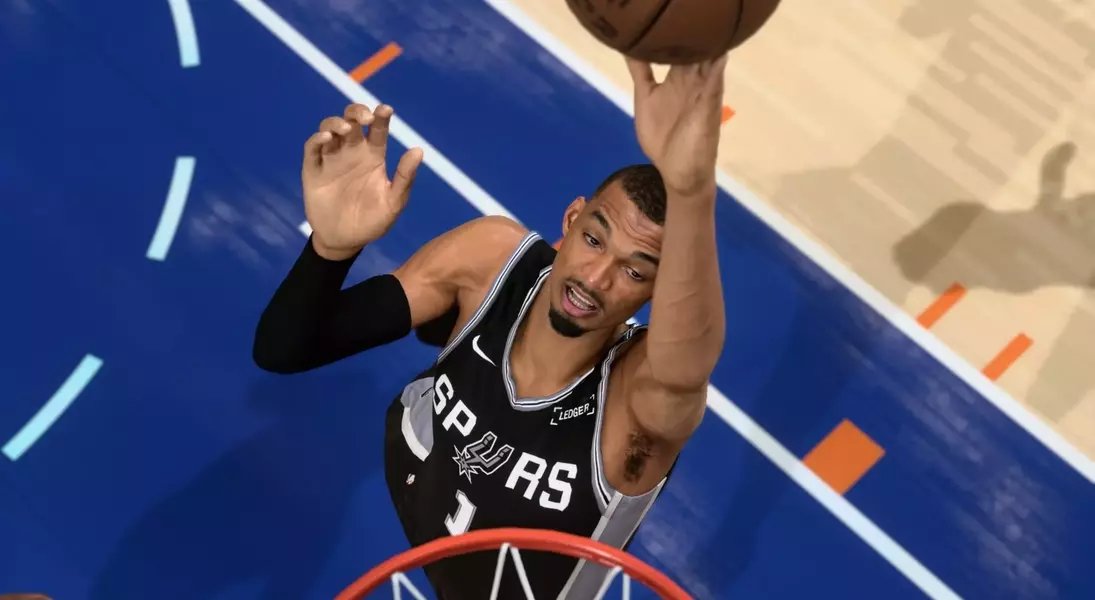
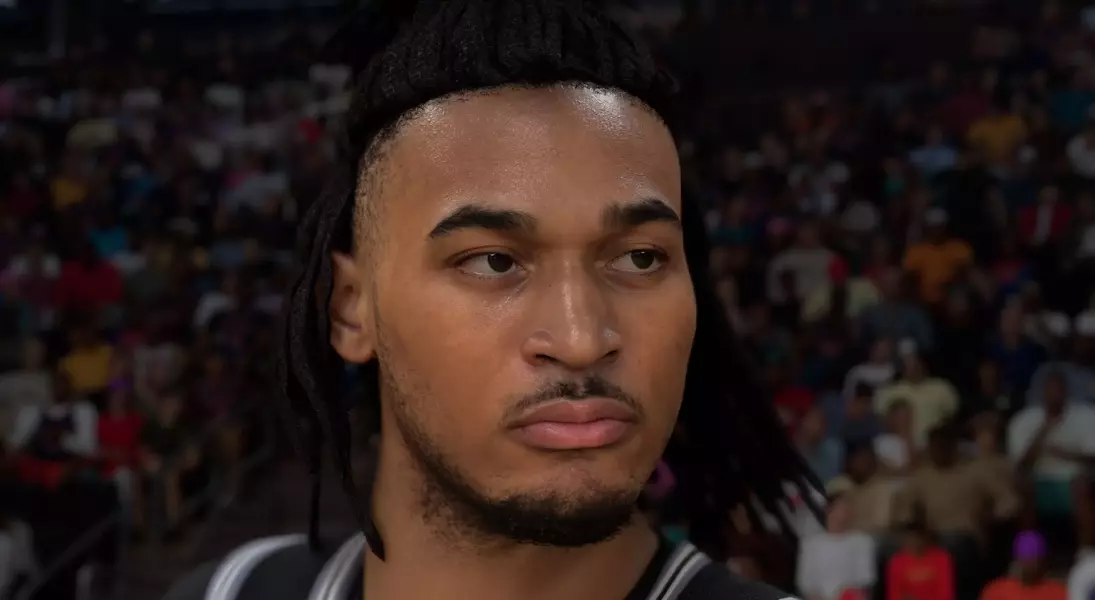
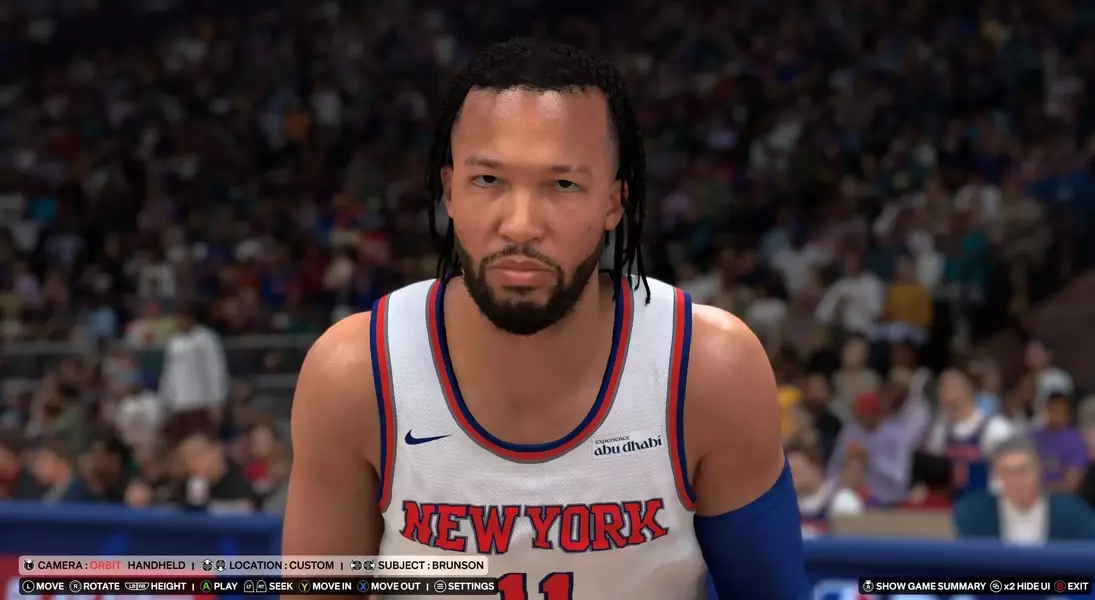
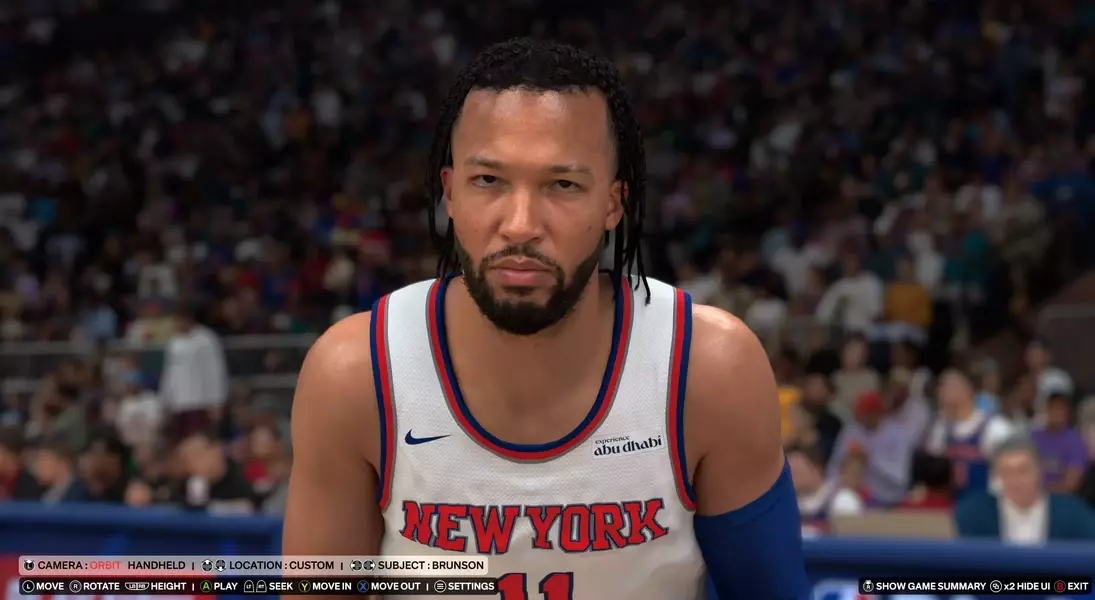
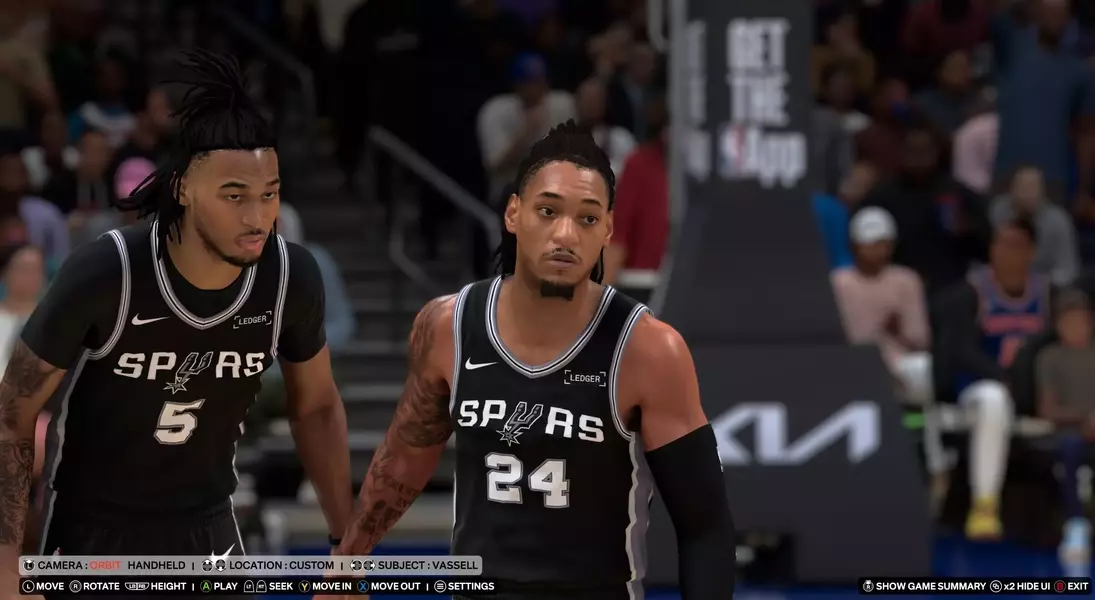
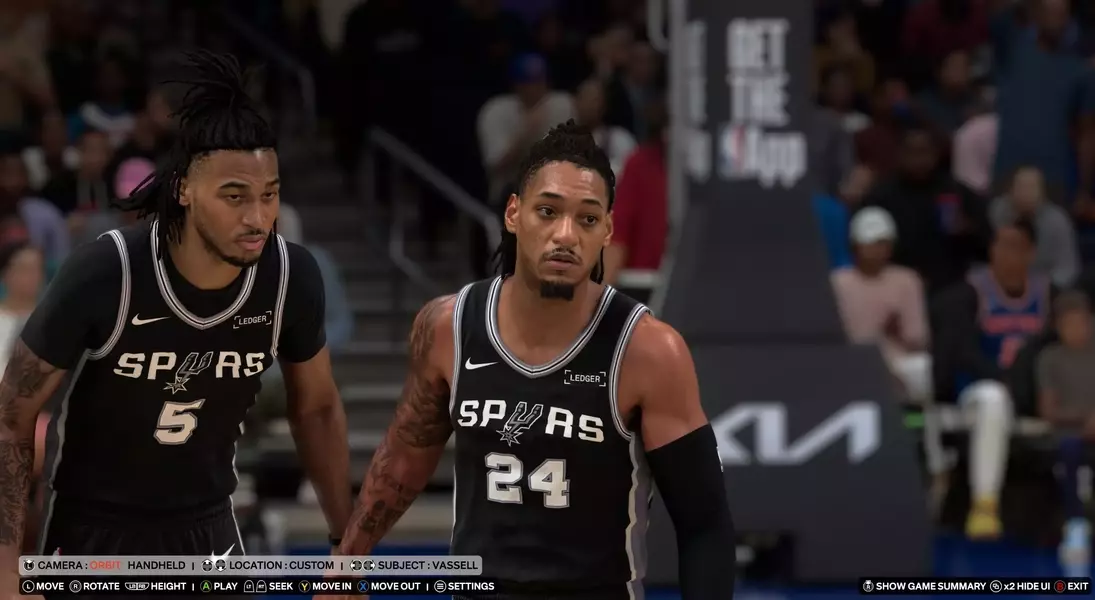
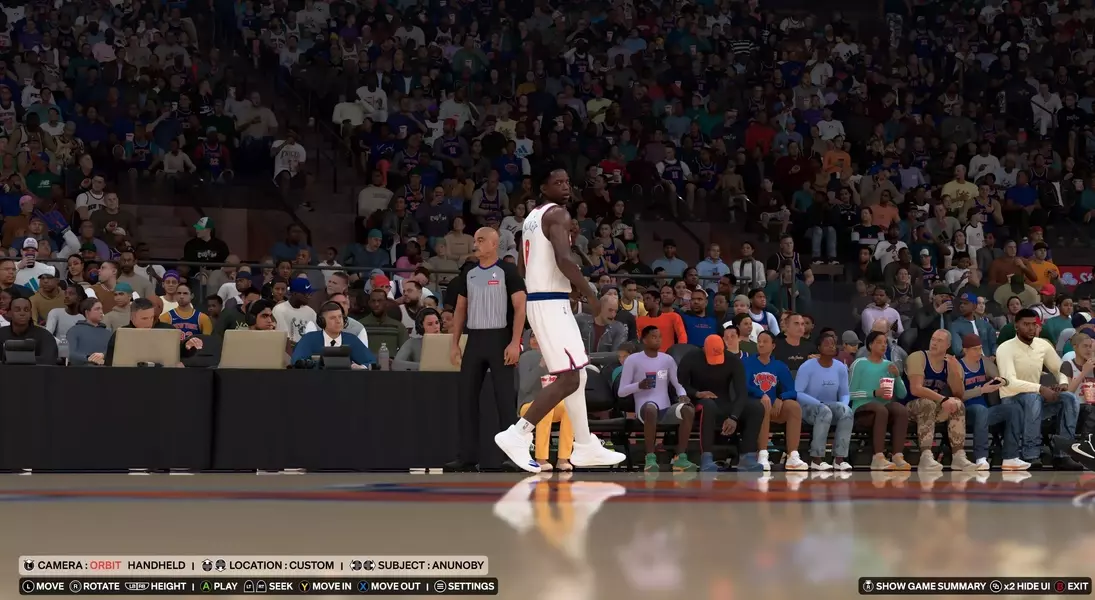
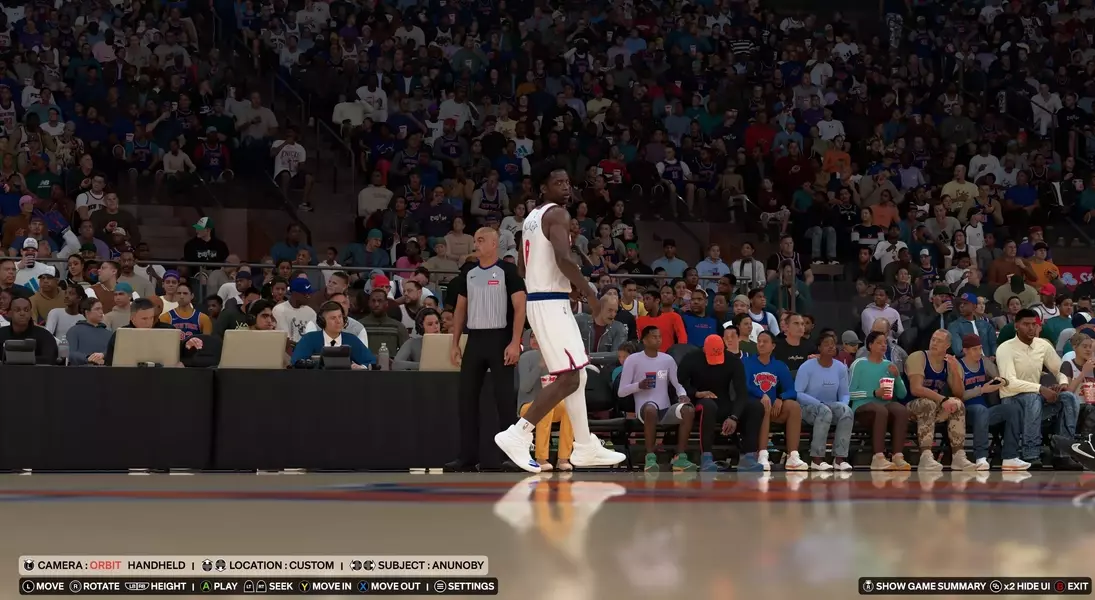
From a visual standpoint, DLSS 5 undeniably enhances the game's aesthetics, particularly in static scenes and close-ups within NBA 2K27's photo mode. Player models exhibit improved realism with more nuanced lighting, shadows, and textures. Facial features appear more lifelike, beards and hair gain depth, and even jersey fabrics show increased detail with added wrinkles. However, these visual benefits are most apparent when the action is paused, as the fast-paced nature of actual gameplay minimizes the appreciation of such intricate details. Moreover, not all character models benefit equally, with some receiving an "overblown" AI treatment that can detract from realism.
Ultimately, while DLSS 5 offers compelling visual upgrades in NBA 2K27, its current implementation comes at a steep performance cost, even for high-end gaming systems. The trade-off between visual fidelity and smooth frame rates is a critical consideration for players, especially in a fast-paced game where responsiveness is key. This initial rollout suggests that DLSS 5 might be a technology better suited for future generations of graphics cards, where hardware advancements could mitigate the significant performance overhead. For now, many gamers may find themselves opting to disable DLSS 5 to prioritize a consistent and fluid gameplay experience.
