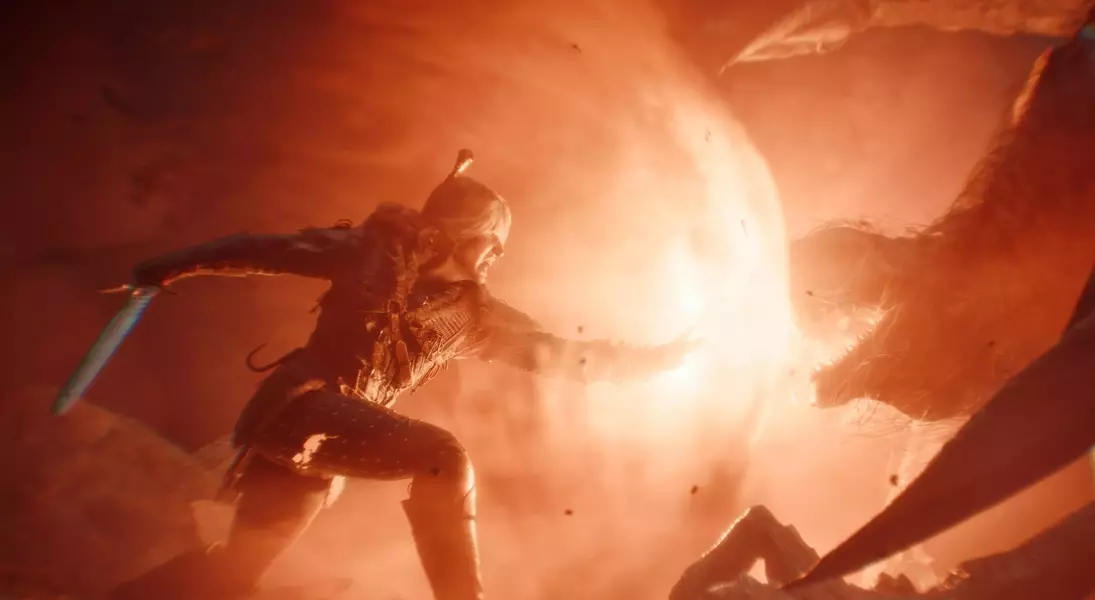
In the evolving landscape of videogame creation, where generative AI frequently sparks industry debates and financial discussions, CD Projekt Red continues to champion human ingenuity. Despite ongoing conversations about AI's potential, co-CEO Michał Nowakowski steadfastly reiterates the company's dedication to its human workforce, especially for ambitious projects such as the highly anticipated The Witcher 4.
Upholding Artistic Vision in the Age of AI
AI's Role in Modern Game Development
The integration of artificial intelligence into videogame production remains a prominent topic, often debated in investor calls. However, many developers concur that AI's utility largely extends to automating routine tasks rather than spearheading core creative processes. While AI agents are becoming commonplace across the industry, their applications typically involve procedural generation, minor asset adjustments, or analyzing user preferences, rather than undertaking substantial game creation.
CD Projekt Red's Stance on AI Integration
Michał Nowakowski, co-CEO of CD Projekt Red, clarified the studio's position during a recent earnings conference. He firmly stated that the company remains committed to predominantly utilizing human talent for game development, including for The Witcher 4. Nowakowski sees AI as merely another tool that can assist in specific areas, but not as a substitute for human creativity in crafting complex game worlds.
Ethical Considerations and Project Complexity
Nowakowski further highlighted that the intricate nature of CD Projekt Red's games, renowned for their rich narratives and detailed worlds, makes an over-reliance on AI an unsuitable and potentially unethical path. He believes that such a hands-on, human-led approach is crucial for maintaining the artistic integrity and depth that players expect from their titles. While other studios might explore different strategies, CD Projekt Red prioritizes its unique creative vision.
Legal and Industry Implications of AI in Creative Works
Beyond the creative and ethical dimensions, embracing AI extensively in game development carries significant legal risks. Industry lawyers note a rising trend of including anti-AI clauses in contracts, signaling a cautious approach to intellectual property ownership. This suggests that for creative endeavors where ownership and originality are paramount, traditional human-led development offers greater legal certainty and protection against potential disputes.
