
The second season of "The Gentlemen" embarks on a narrative journey that diverges significantly from its initial success, sacrificing the distinctive humor and vibrant characters that made the first season so compelling. This transformation is heavily influenced by a shift towards a more serious, "Godfather"-esque tone, which, while visually engaging, dilutes the series' original charm and wit. Viewers are asked to endure the protagonist's struggles, but the narrative choices ultimately leave a sense of dissatisfaction rather than catharsis, highlighting a fundamental change in the show's creative direction.
Director Guy Ritchie's penchant for intricate plots typically resolves in satisfying twists. However, the second season's numerous subplots often feel tangential, frequently circling back to themes already explored. Ritchie's strength lies in portraying the British criminal underworld, yet expanding the narrative to Italy predominantly serves to acknowledge his "Godfather" inspirations. This international detour, despite its scenic backdrops and sophisticated imagery, does little to enhance the core story, instead emphasizing a more austere and less character-driven approach.
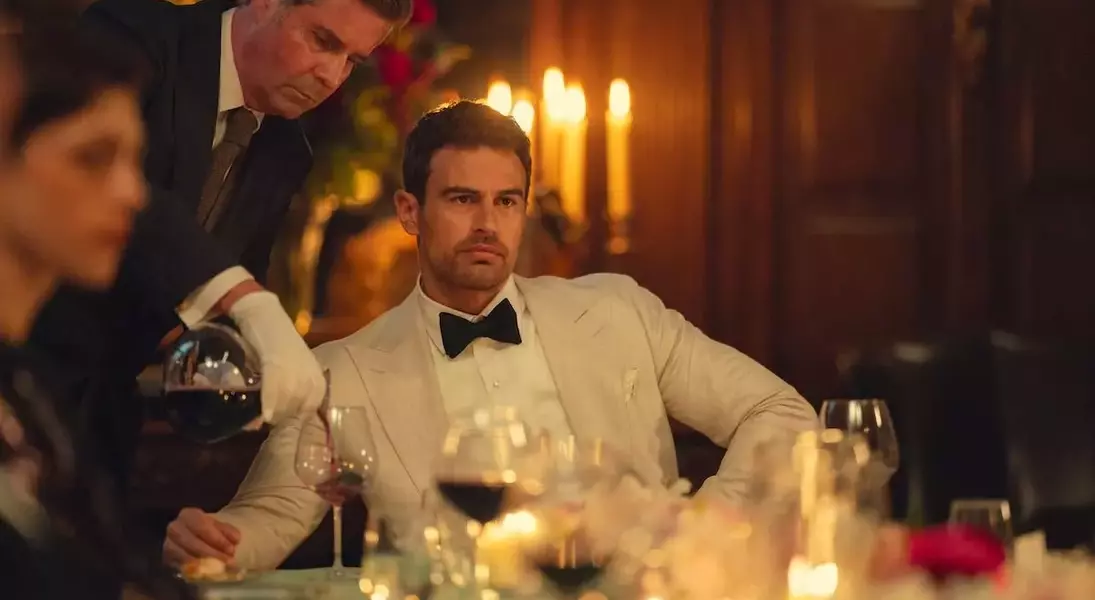
Following his initial reluctance in the first season, Duke Eddie Horniman, portrayed by Theo James, wholeheartedly embraces a life of crime, driven by frustration with Bobby Glass's leadership. This transformation sees Eddie striving to assert dominance both in the criminal hierarchy and within the House of Lords. His constant brooding expression mirrors the weight of his newfound responsibilities. However, the emotional impact of Eddie's suffering is often fleeting, with consequences that rarely leave a lasting mark, thus diminishing the gravity of his choices and experiences. The season attempts to recreate poignant moments akin to "The Godfather," but these efforts often fall flat due to a lack of genuine emotional connection between Eddie and his losses.
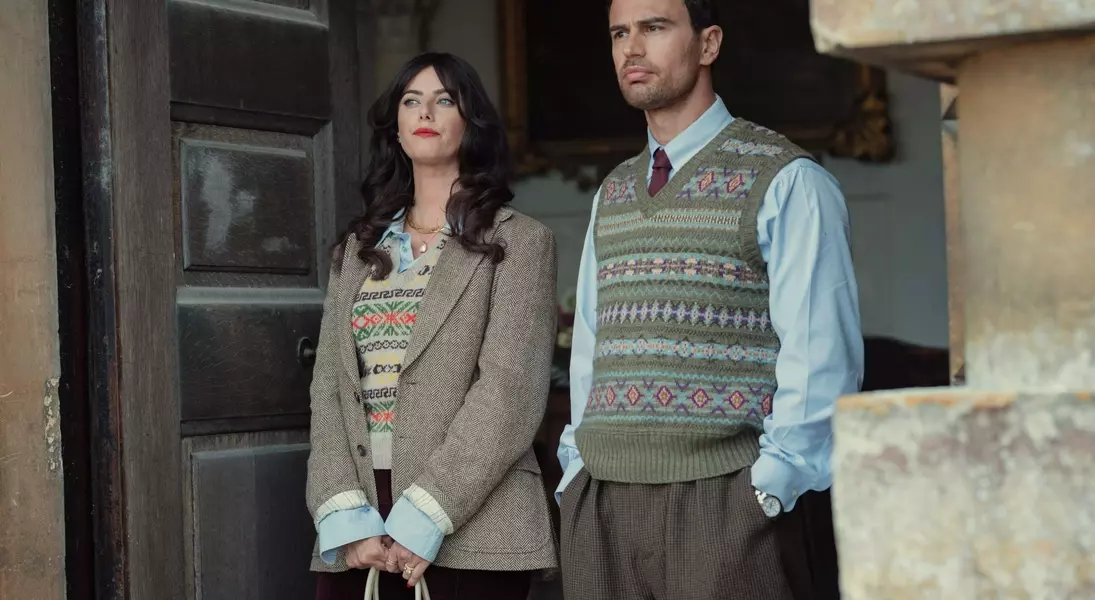
Susie, played by Kaya Scodelario, who was a formidable counterpart to Eddie in the first season, finds her agency diminished in the second, often caught between competing loyalties. Despite this, she shines in her interactions with Joe, an old flame who introduces a new dimension to their business dealings. The palpable chemistry between Scodelario and James remains a highlight, even as the narrative pulls their characters apart, both professionally and personally, creating a tension that subtly underscores the season's evolving dynamics.
Furthermore, the season largely sidelines its most humorous characters. Jimmy Chang, the eccentric cannabis grower, has only one episode to showcase his comedic talent, focusing on labor disputes and experimental products, with resolutions that appear overly convenient. Eddie's chaotic elder brother, Freddy, is confined to a rehabilitation facility for the entire season, his absence keenly felt and contributing to the diminished comedic relief. The introduction of Eddie's brother-in-law, Nanny, while adding to the Horniman family's dynamics, primarily serves as a rather oblivious and status-obsessed figure, often interrupting more tender family moments with his dismissive attitude, further highlighting the shift away from the show's earlier lightheartedness.
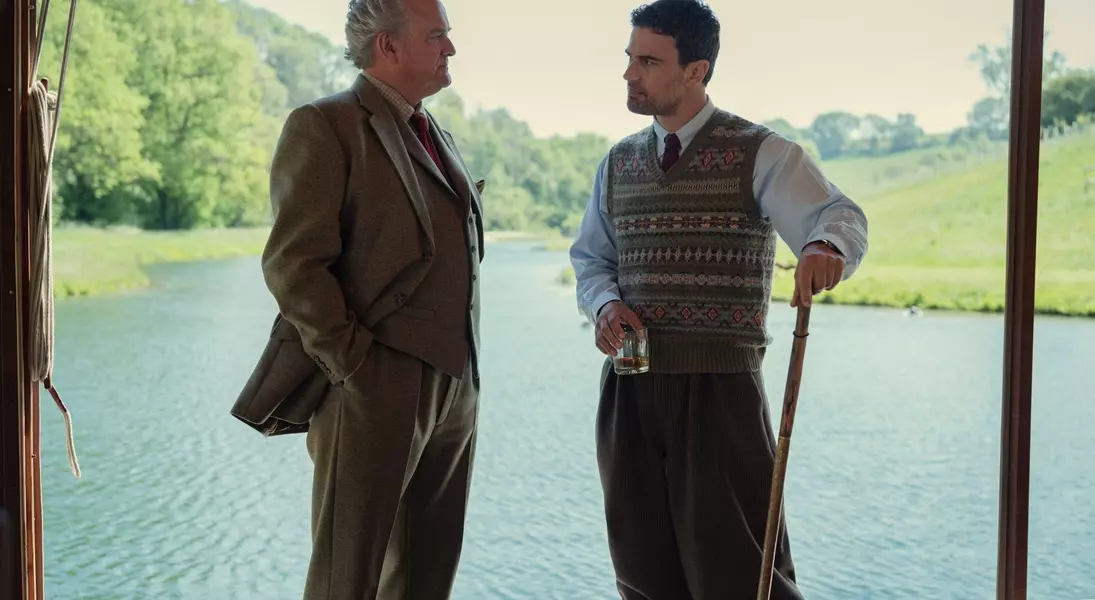
Despite these narrative shifts, "The Gentlemen" maintains its visual splendor, boasting luxurious settings, exquisite costumes, and Ritchie's signature high-energy action sequences. However, the abundance of close-up shots of characters speaking directly to the camera occasionally detracts from the rich scenery, a stylistic choice that seems at odds with the show's otherwise opulent presentation. The series concludes with a setup for a potential third season, hinting at a new chapter for Eddie and the criminal operations. While Eddie's journey of evolution is central, it is hoped that the next season will rediscover the unique blend of humor and character that originally defined "The Gentlemen," rather than continuing its current trajectory towards a more generic crime drama.
