
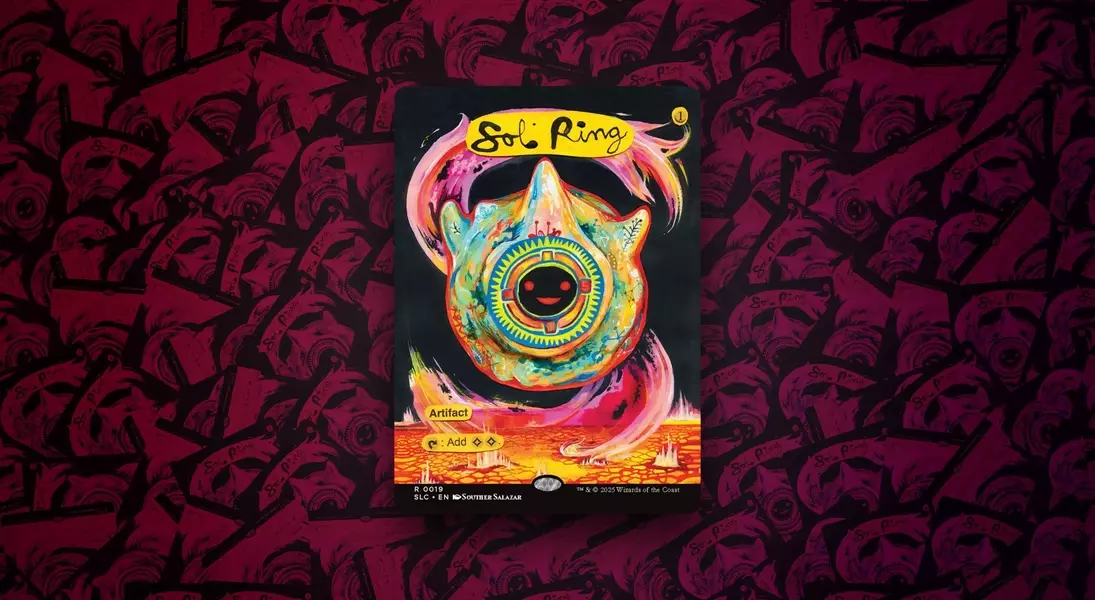
This article delves into the controversial topic of "Sol Ring" in the popular card game "Magic: The Gathering's" Commander format. It highlights how this card, despite its long-standing presence and inclusion in preconstructed decks, creates an imbalance in gameplay due to its potent mana-generating ability. The author makes a compelling argument for its removal from the format, or at least a re-evaluation of its classification, to foster a more equitable and creative gaming experience for all players.
Rebalancing the Game: Why Sol Ring's Reign Must End
The Unrivaled Power of Sol Ring in Commander Deckbuilding
When crafting a Commander deck in the world of Magic: The Gathering, certain foundational principles guide players: a balanced land count, sufficient interaction spells, and strategic board wipes. However, one card, the Sol Ring, stands out as a universally included and exceptionally potent component. Its ability to accelerate mana generation is widely acknowledged as one of the most impactful mechanics in the game's long history.
The Ubiquity and Inherent Imbalance of Sol Ring
The developer, Wizards of the Coast, consistently includes Sol Ring in every new preconstructed Commander deck, a testament to its perceived necessity. Yet, this very ubiquity underscores a deeper issue: the card's disproportionate power. The article advocates for a decisive action: the permanent exclusion of Sol Ring from the Commander format to rectify this fundamental imbalance.
Understanding Sol Ring's Early Impact on Gameplay
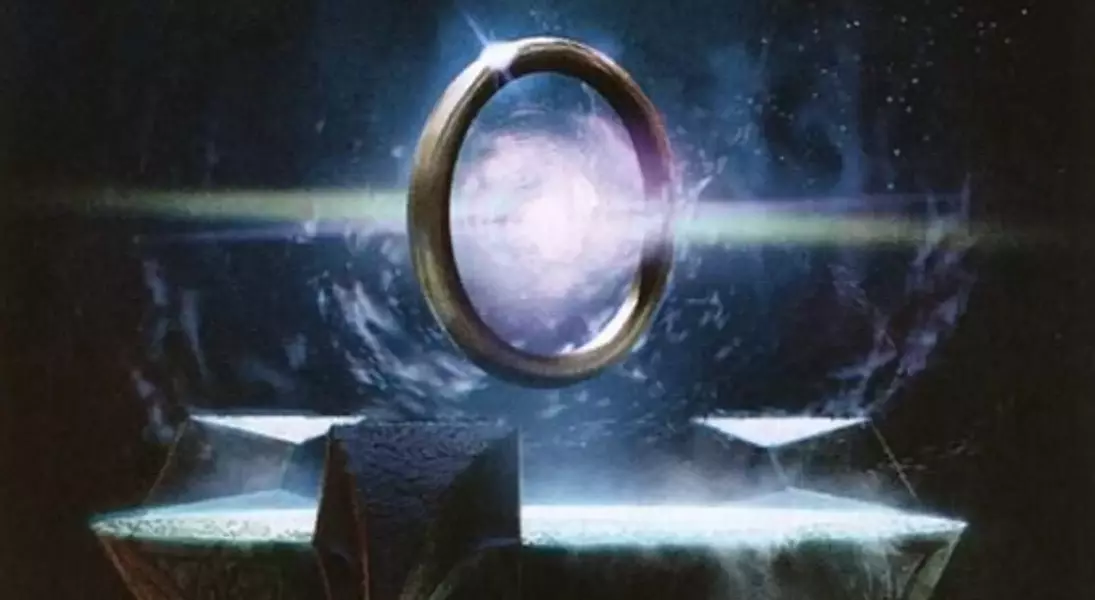
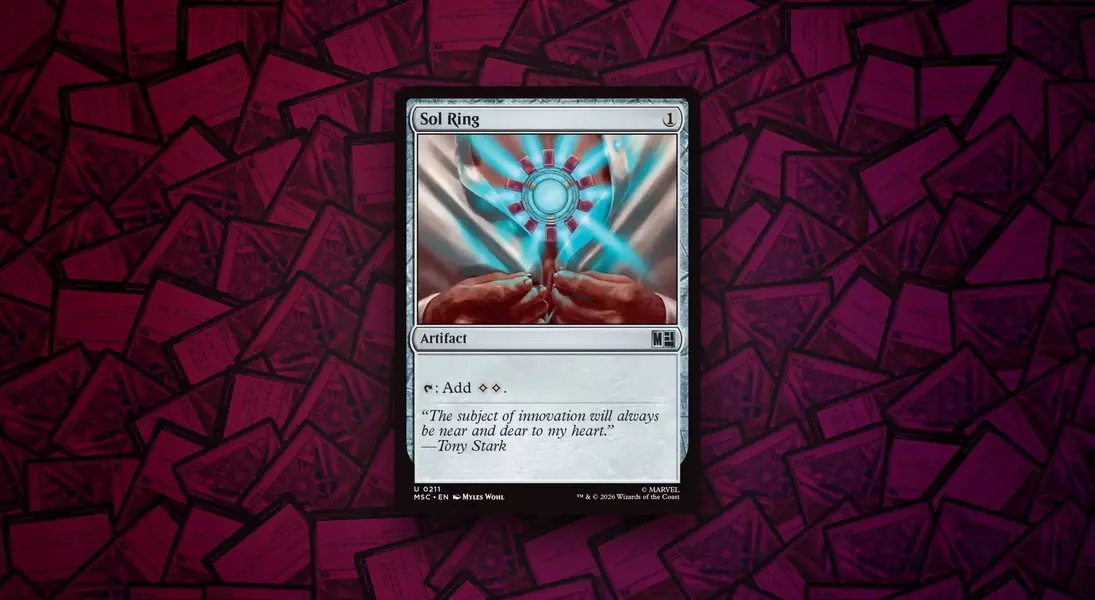
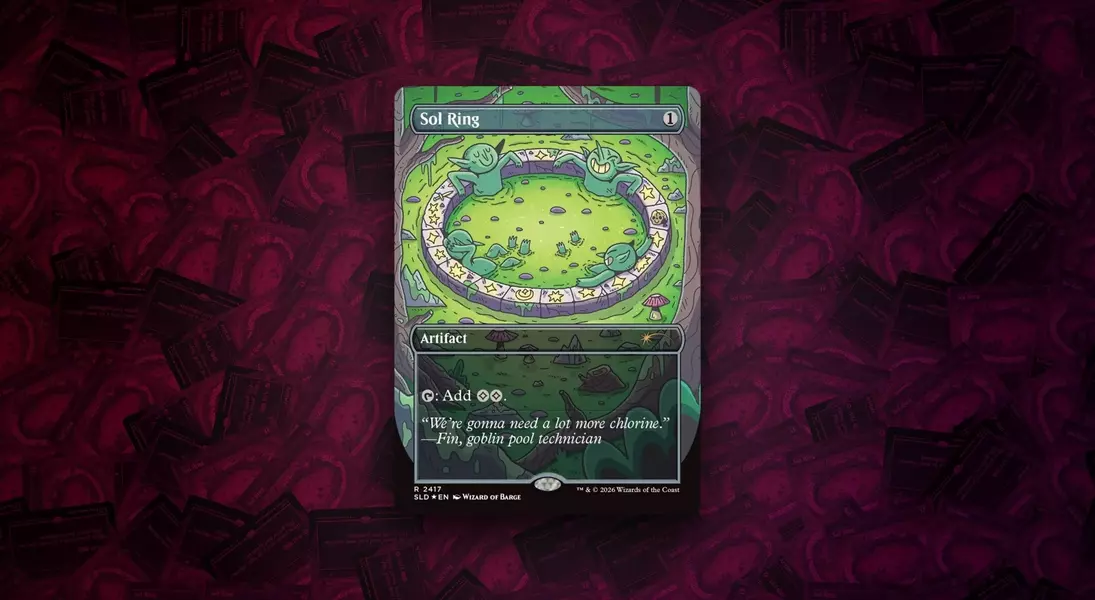
To grasp the magnitude of the argument, it's crucial to understand the card's mechanics. Introduced in the inaugural Magic set in 1993, Sol Ring is an artifact that costs one mana of any color and, once played, generates two colorless mana each turn. This seemingly simple exchange fundamentally violates conventional game design principles, providing an unfair advantage in mana acceleration that defies the game's typical resource management.
The Design Philosophy Versus Sol Ring's Reality
Over the decades, Wizards has cultivated established guidelines for creating new mana-generating artifacts, often referred to as 'mana rocks.' Typically, these cards offer a return of mana proportional to their initial cost, often with certain limitations or benefits. For instance, a two-mana artifact might provide restricted mana colors, while a three-mana artifact might offer any color with an additional perk. Sol Ring, however, deviates wildly from these established norms, making it an anomaly in the design landscape.
The Detrimental Effect on the Commander Experience
The presence of Sol Ring profoundly impacts the Commander game experience. A player who starts with Sol Ring effectively gains an advantage equivalent to two extra turns, significantly outpacing opponents who rely on the standard one-land-per-turn progression. This early game acceleration frequently leads to a player dominating the match, creating a 'lose-lose' situation where the player with Sol Ring becomes a primary target, or those without it struggle to catch up.
The Creative Cost of Mandatory Inclusion
The overwhelming power of Sol Ring creates a paradoxical situation: players feel compelled to include it in their decks, limiting their ability to explore creative and diverse card choices within the 100-card deck limit. This effectively reduces a valuable deck slot that could otherwise be used for unique strategies or personal flair, making Sol Ring a seemingly unavoidable, yet uninspired, inclusion.
Navigating the Dilemma: Why a Ban is Long Overdue
Despite the clear imbalance, Wizards of the Coast has yet to ban Sol Ring, even after restricting other powerful 'fast mana' cards in 2024. This reluctance is likely due to Sol Ring's historical significance, being part of the game's first set, and its widespread distribution in preconstructed decks. Banning it could alienate a large player base who have invested in these products. Nevertheless, the article argues that the long-term health of the format necessitates this difficult decision.
Alternative Solutions for a More Balanced Commander Format
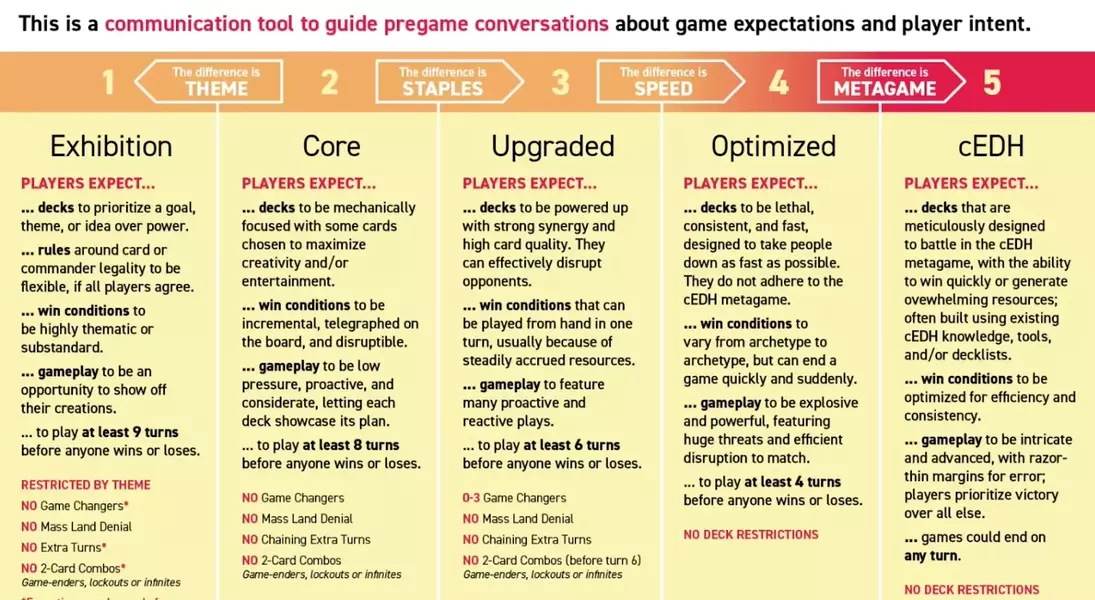
While a direct ban might be controversial, other less drastic solutions exist. One proposal involves integrating Sol Ring into the Commander Bracket system, introduced in 2025 to categorize deck power levels. Classifying Sol Ring as a "Game Changer" would automatically elevate a deck's power level, pushing it into higher-tier playgroups and away from more casual tables. Additionally, local playgroups could implement house rules, such as allowing all players to search for a Sol Ring if one player starts with it, to mitigate its early game impact.
The Imperative for Official Intervention
Ultimately, these localized solutions, while helpful, depend heavily on player consensus and may not be universally applicable, especially in varied play environments. The article concludes that the most effective and equitable solution lies with Wizards of the Coast to officially address the issue. Until such a decision is made, players will continue to include Sol Ring in their decks, acknowledging its problematic nature while recognizing its undeniable advantage.
