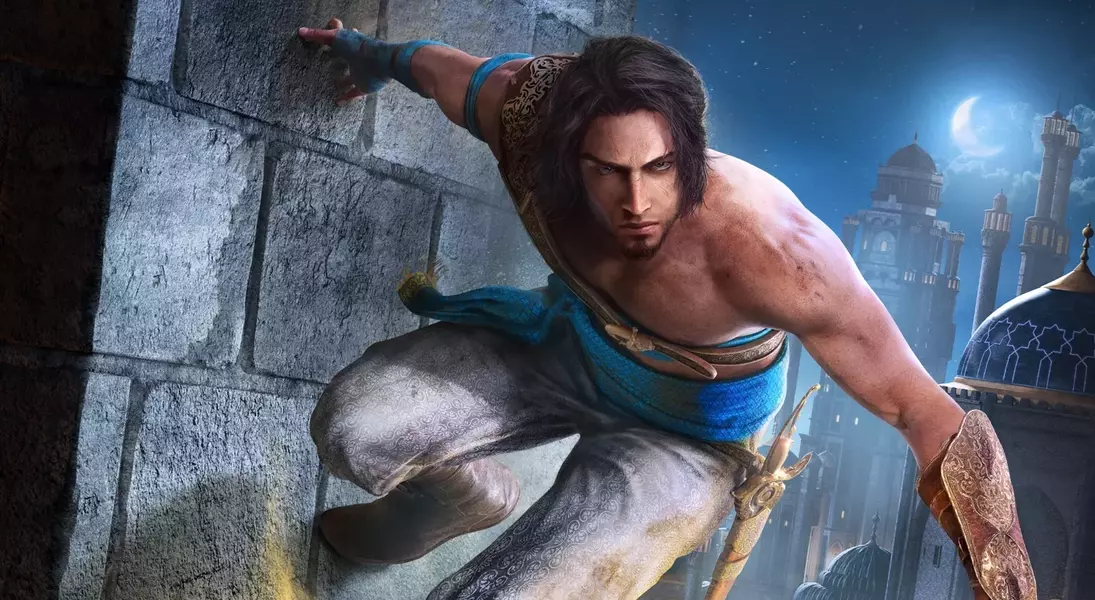
Ubisoft recently made headlines with its announcement of a significant internal reorganization, which included the cancellation of six ongoing projects. Among these was the highly anticipated remake of "Prince of Persia: The Sands of Time." This news was met with considerable dismay, especially as company shares subsequently dropped to their lowest point in over 14 years, further highlighting the challenges facing the gaming giant amidst its strategic shift towards integrating generative AI into future titles.
Reports from a developer, identified as SocramVelmar, who worked on the ill-fated remake, shed light on the project's status. Despite being "close to the finish line," development abruptly ceased due to internal uncertainties and concerns over potential layoffs. This precarious situation led several team members to seek more stable opportunities elsewhere, raising questions about the rationale behind shelving a seemingly near-complete game. The developer clarified that being "close" doesn't equate to being "ready." Publishers often face a difficult choice: continuing to invest heavily in a product they lack full confidence in, or cutting their losses to prevent further financial and reputational damage. In an industry where post-launch support is almost a given, releasing a game prematurely could incur even greater resource drains than outright cancellation.
The developer further indicated that the "Sands of Time" remake struggled to align with Ubisoft's prevailing strategic direction, which has increasingly favored large, open-world experiences. This emphasis on expansive virtual environments has, in turn, marginalized more focused, linear narratives, even those from critically acclaimed franchises. While the remake aimed to honor the spirit of the 2003 original, it also intended to introduce innovative mechanics, such as a time manipulation feature that allowed players to interact with past actions rather than merely undoing them. This concept, described as "cooperating with time itself," promised a fresh perspective on the game's core mechanic. Regrettably, these intriguing gameplay enhancements will likely never see the light of day, with the developer confirming that no source code leaks are expected from their end.
This incident underscores the dynamic and often unpredictable nature of the video game industry. While the cancellation of a beloved remake is undoubtedly disappointing for fans, it also serves as a reminder of the complex decisions developers and publishers must navigate. Innovation, while risky, is crucial for growth, and embracing new technologies or game formats can lead to groundbreaking experiences. However, it's equally important to honor the legacy of classic titles and consider the enduring appeal of diverse gameplay styles. The pursuit of progress should ideally complement, rather than eclipse, the artistic integrity and nostalgic value that older games bring to the table. Striking this balance is key to fostering an industry that is both forward-thinking and deeply respectful of its rich history.
