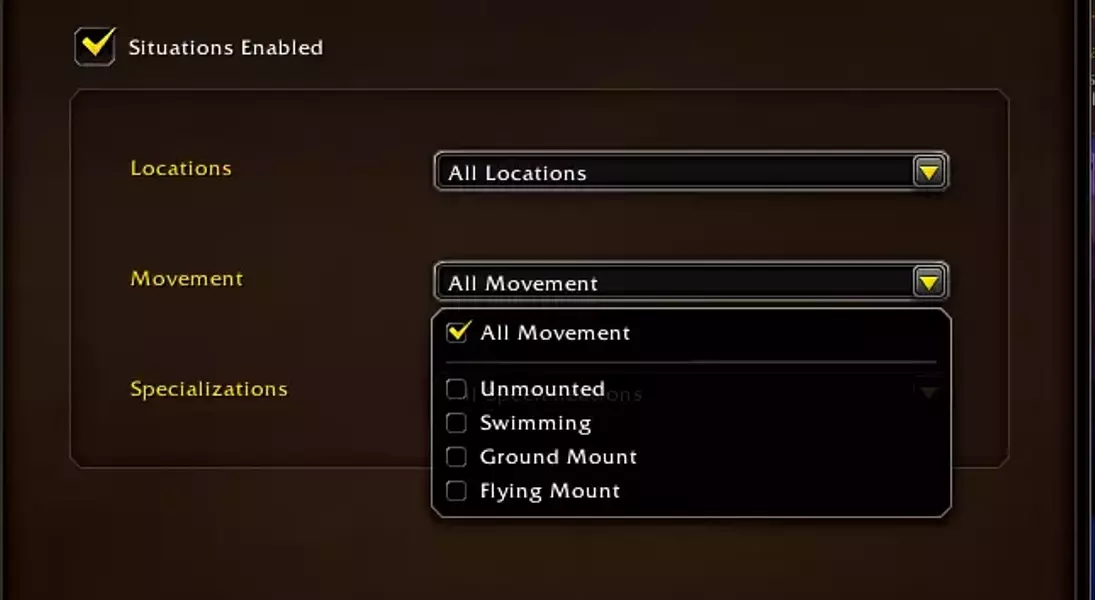
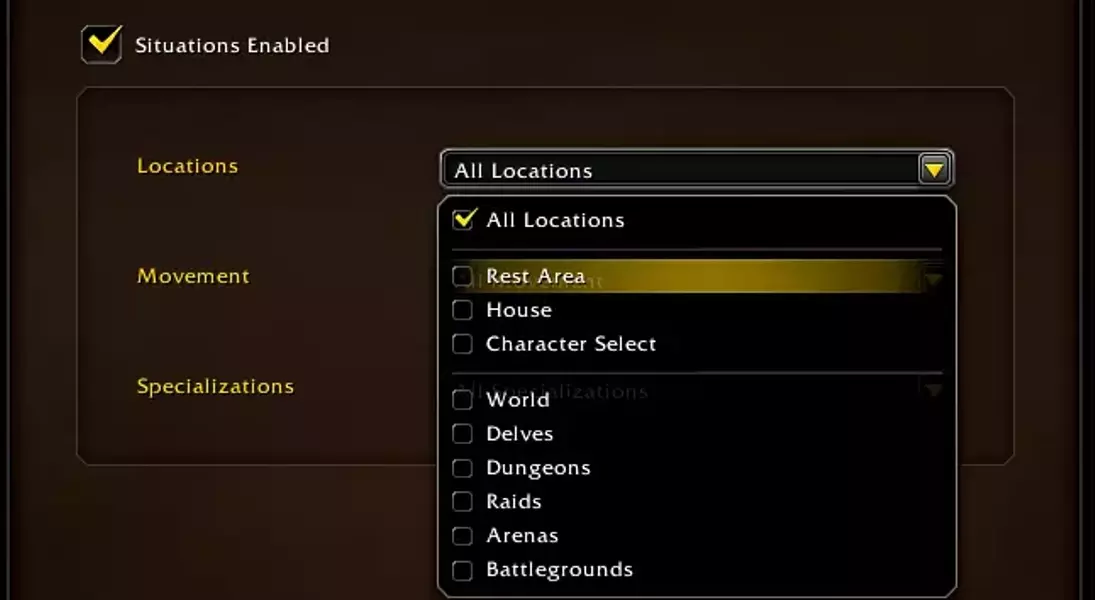
The recent changes to World of Warcraft's transmogrification system have been a subject of considerable discussion among players, revealing a tension between enhanced convenience and increased costs. While the new 'Situations' feature offers unprecedented flexibility in character customization, allowing outfits to automatically adapt to various in-game scenarios, the initial pricing structure for outfit slots drew criticism for disproportionately affecting players who enjoy frequent wardrobe changes. This shift, intended to streamline the visual customization process, inadvertently highlighted Blizzard's challenge in balancing player experience with in-game economic considerations. Despite subsequent cost adjustments, the incident underscores the intricate relationship between game developers and their dedicated player base, particularly concerning features central to personal expression and engagement.
Blizzard's recent redesign of the transmogrification system in World of Warcraft has introduced both innovative features and points of contention within the player community. The core of the new system aims to simplify character customization by allowing players to save outfits that persist regardless of gear changes, thereby eliminating the need for repetitive visits to NPCs for re-application. This functionality, especially the 'Situations' system, which enables automatic outfit changes based on in-game context (e.g., swimming, PvP), represents a significant enhancement in player convenience and creative expression. However, the initial implementation of this overhaul, particularly its associated costs, generated a strong negative reaction, as it appeared to penalize players who frequently alter their character's appearance. This prompted a swift response from Blizzard, leading to a reduction in transmog expenses. The episode serves as a clear illustration of the ongoing dialogue between developers and players regarding game mechanics and economic models.
The Dual Impact of the Transmogrification Redesign
The updated transmogrification system in World of Warcraft, while bringing about positive changes like the 'Situations' feature, initially faced backlash due to its economic implications. The design aimed to reduce long-term costs for players by removing the need for repeated transmog applications when gear changed. However, this model overlooked players who enjoy regularly switching their character's aesthetics, leading to a situation where their customization habits became significantly more expensive. This unintended consequence highlighted a disconnect between the developers' vision for convenience and the diverse ways players interact with cosmetic systems, resulting in widespread player frustration and calls for adjustment.
Blizzard's recent revamp of the transmogrification feature in World of Warcraft marked a significant departure from its predecessor. The former system necessitated players to visit an NPC each time they wished to apply a cosmetic skin to new gear, a process that could become cumbersome. The new iteration, conversely, introduced a persistent outfit system, where a chosen appearance would remain constant despite underlying gear modifications. While this innovation promises greater convenience and theoretically reduces long-term spending for players who maintain a consistent look, its initial pricing model proved problematic. Players who frequently changed their character's outfits found themselves incurring higher gold expenditures than before, leading to considerable discontent. This economic burden on the game's most fashion-conscious players was counterintuitive, as it effectively penalized active engagement with a core customization mechanic. The community's strong negative response underscored the importance of accommodating varied playstyles and economic impacts within game updates.
Player Feedback and Economic Adjustments
The strong negative feedback from the World of Warcraft community regarding the initial costs of the new transmog system quickly prompted Blizzard to re-evaluate its approach. Recognizing the dissatisfaction, particularly among players who frequently customize their characters, the company made swift adjustments by significantly reducing the associated gold costs. This responsiveness, while appreciated, also raised questions about the initial oversight and the potential for a more harmonious integration of the new features with the existing system, such as layering new functionalities on top of the old rather than completely replacing it.
The player community's vocal disapproval of the increased transmogrification costs was a critical factor in Blizzard's decision to implement rapid adjustments. Many players felt that the new system, despite its technical advancements, imposed an unfair financial burden, particularly on those who enjoyed customizing their characters frequently. Blizzard responded by cutting the costs in half, aiming to realign the new system's economics with player expectations and previous spending habits. This move mitigated much of the initial criticism, but it also prompted reflection on whether the entire 'headache' could have been avoided. Critics suggested that a more player-centric approach would have involved introducing the beneficial 'Situations' system as an additive feature, allowing it to coexist with the old transmog mechanics. Such an approach would have offered players more choice and avoided penalizing specific playstyles, ultimately leading to a more universally positive reception and bypassing the unexpected economic ripple effects, such as potential in-game inflation due to increased gold circulation.
