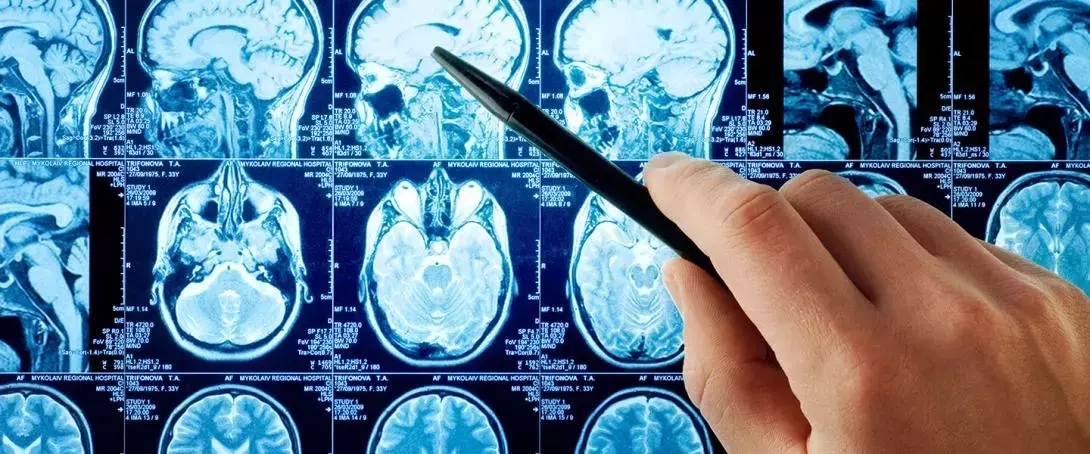
A recent in-depth analysis of a clinical trial has unveiled critical insights into the effects of a treatment for PTSD on brain connectivity. The study explores how structural and functional changes in the brain correlate with symptom reduction, providing a detailed roadmap for improving future therapies. This groundbreaking research aims to enhance our understanding of PTSD treatments and pave the way for more effective interventions.
Comprehensive Study Unveils New Dimensions of PTSD Treatment
In a meticulously conducted investigation led by Dr. Ilan Harpaz-Rotem from Yale University School of Medicine and the U.S. Department of Veteran Affairs, researchers analyzed data from 26 PTSD patients who underwent a combination of ketamine or midazolam infusions and exposure therapy. The participants, averaging 40 years old, were subjected to MRI scans before and after the treatment, revealing significant alterations in both functional and anatomical brain connectivity.
Over four days following the initial drug infusion, patients engaged in prolonged exposure therapy sessions. By the end of the 30-day follow-up period, their average PTSD symptom scores decreased by approximately 17 points on the CAPS-5 scale, moving them closer to a non-diagnostic threshold. The study specifically examined the uncinate fasciculus (UNC), a white matter tract connecting key brain regions, demonstrating that reduced white matter integrity correlates with diminished PTSD symptoms.
This finding underscores the importance of integrating functional and anatomical connectivity assessments to understand long-term behavioral changes induced by successful treatments. The researchers hypothesize that recurring modifications in neural circuitry during therapy lead to enduring transformations in emotional processing and regulation.
Despite its promising outcomes, the study acknowledges limitations such as the small sample size and the dual-drug administration protocol, calling for further research to refine these findings.
From a journalistic perspective, this study not only advances scientific knowledge but also offers hope for individuals suffering from PTSD. It highlights the potential of combining advanced imaging techniques with innovative therapeutic approaches to unlock new avenues for healing. As we continue exploring the complexities of the human brain, such interdisciplinary efforts promise transformative breakthroughs in mental health care.
