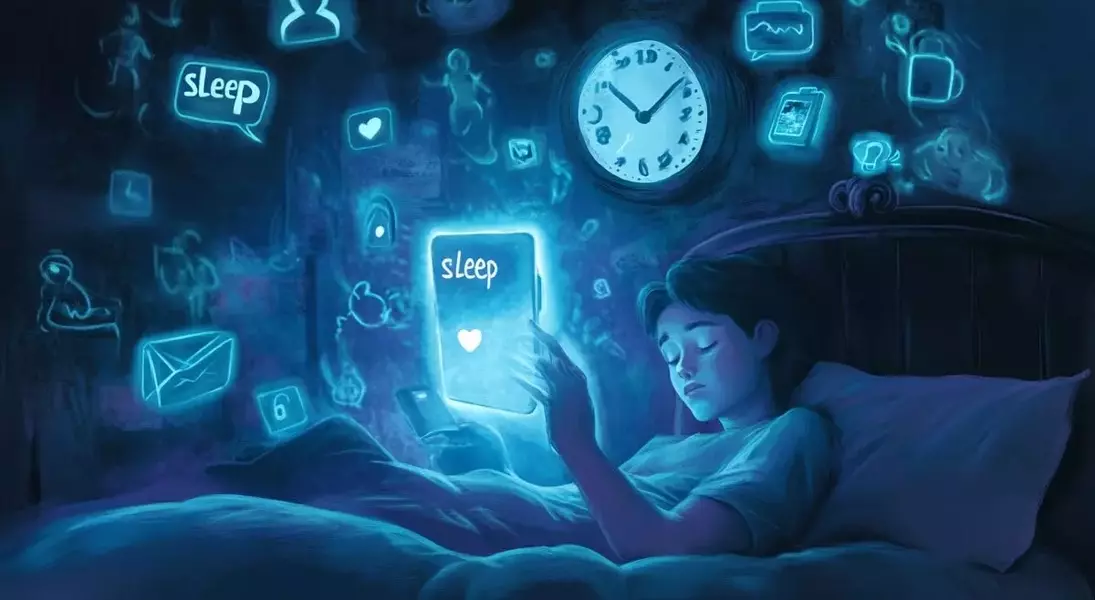
Modern lifestyles have introduced new challenges to sleep patterns, particularly among young adults. A groundbreaking study conducted in Norway sheds light on the alarming effects of screen use before bedtime. With over 45,000 participants, this research reveals that prolonged exposure to screens can significantly increase insomnia risk and reduce overall sleep duration. By examining various activities performed on devices, researchers uncovered surprising insights about how these habits affect restorative sleep.
Unlock Better Sleep by Reducing Screen Time Before Bed
In today's digital age, understanding the connection between screen time and sleep quality is essential for maintaining optimal health. This article delves into the latest findings from a comprehensive study, offering practical advice to help you reclaim restful nights.
Understanding the Connection Between Screen Use and Insomnia
Research indicates that every additional hour spent using screens after bedtime raises the likelihood of experiencing insomnia symptoms by nearly 60%. This statistic underscores the critical need to reassess our nighttime routines. While many assume social media platforms are more disruptive than other forms of digital engagement, evidence suggests otherwise. Whether scrolling through newsfeeds or binge-watching favorite shows, the adverse impact remains consistent across all types of content.
Sleep experts attribute this phenomenon primarily to "time displacement," where individuals sacrifice valuable rest hours in favor of engaging with their devices. Instead of winding down naturally, users remain active longer, delaying the onset of sleep and reducing total nightly rest. For instance, imagine someone staying up an extra hour reading articles online; they may lose as much as 24 minutes of precious slumber each night. Over time, such losses accumulate, leading to chronic fatigue and impaired cognitive function.
Exploring Why All Screen Activities Disrupt Sleep Equally
Contrary to popular belief, not all screen-related tasks differ significantly in terms of sleep interference. Studies reveal no meaningful distinction between social networking, watching videos, or even studying late into the evening. Each activity contributes equally to diminished sleep quality due largely to behavioral patterns rather than specific content choices. Consider two scenarios: one person spends an hour posting updates on social media while another reviews lecture notes. Both will likely experience similar disruptions despite pursuing entirely different objectives.
This uniformity arises because most screen interactions share common characteristics—constant stimulation and reduced opportunities for relaxation. Even seemingly passive pursuits like listening to podcasts involve mental processing that keeps the brain alert when it should be preparing for rest. Furthermore, blue light emitted by electronic displays interferes with melatonin production, making it harder to fall asleep promptly regardless of what occupies your attention.
Evaluating the Broader Implications for Student Populations
Among university students, inadequate sleep poses significant risks to both academic success and personal well-being. Findings suggest that nearly half of surveyed respondents reported trouble sleeping three or more times weekly over several months. Such persistent issues correlate strongly with declining grades, diminished concentration abilities, and increased stress levels. Moreover, insufficient rest exacerbates preexisting mental health conditions, creating vicious cycles difficult to break without intervention.
Interestingly, researchers noted variations based on individual preferences within the realm of screen usage. Participants who limited themselves exclusively to social media demonstrated marginally better outcomes compared to those juggling multiple applications simultaneously. However, these differences proved statistically insignificant when accounting for overall duration of screen exposure. Thus, focusing solely on restricting certain apps might prove less effective than implementing broader strategies aimed at minimizing total evening device interaction.
Practical Strategies for Enhancing Sleep Hygiene
To mitigate negative consequences associated with excessive screen consumption, consider adopting proven techniques designed to foster healthier habits. Begin by establishing consistent bedtimes and wake times, ensuring adequate preparation for daily responsibilities. Gradually taper off technological engagements at least thirty minutes prior to retiring for the night, allowing sufficient transition periods conducive to relaxation. Experiment with alternative pre-sleep rituals such as reading printed books or practicing mindfulness exercises to signal readiness for rest.
Additionally, optimize bedroom environments by eliminating potential distractions including illuminated clocks, glowing chargers, and unnecessary electronics. Invest in blackout curtains if necessary to maintain darkness throughout sleeping hours. Lastly, remember that small adjustments compounded consistently yield substantial improvements over extended durations. Encouraging friends and family members to join collective efforts strengthens accountability mechanisms further enhancing adherence rates.
