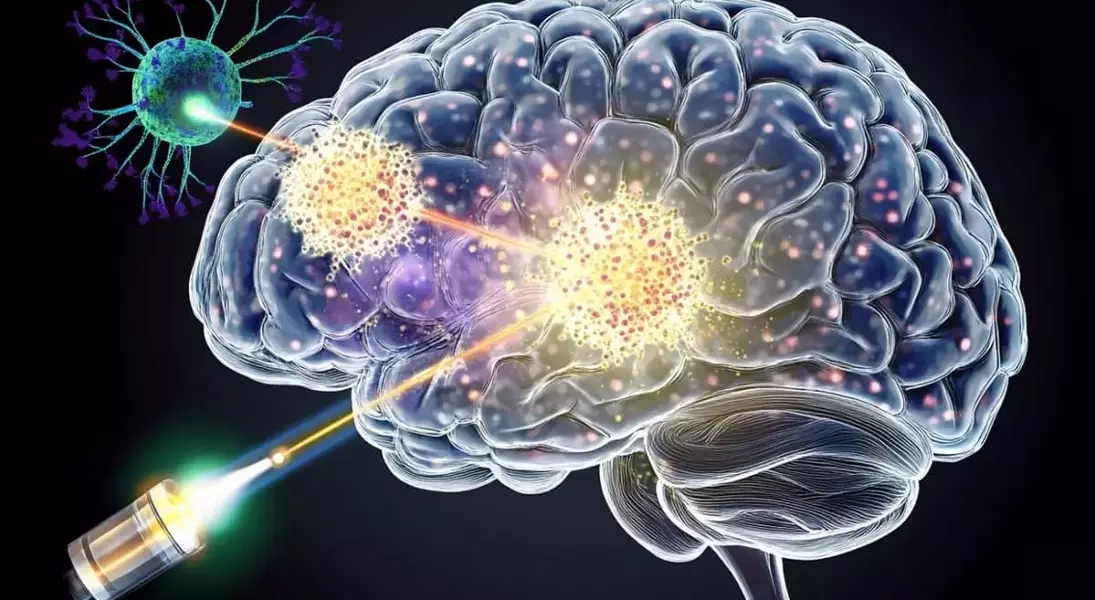
A groundbreaking study conducted by researchers at Mass General Brigham has uncovered a crucial role played by the immune checkpoint molecule Tim-3 in the progression and potential treatment of Alzheimer’s disease. Typically associated with maintaining brain stability, Tim-3 can also hinder microglia, the brain's immune cells, from effectively clearing harmful plaques linked to Alzheimer’s. In experiments involving mouse models, removing Tim-3 reprogrammed microglia to more efficiently eliminate these plaques, reduce inflammation, and improve cognitive function. This discovery raises hopes that Tim-3 inhibitors, currently being tested for cancer treatment, might be repurposed to combat Alzheimer’s.
Unveiling the Mechanism of Tim-3 in Microglial Function
In an era marked by advancements in neuroscientific research, a team led by Dr. Vijay Kuchroo has made significant strides in understanding how Tim-3 influences microglial behavior within the brain. Specifically focusing on its involvement in Alzheimer’s disease, the researchers demonstrated that Tim-3 is predominantly expressed in microglia, where it regulates inflammatory responses and plaque removal processes. During their investigation, they utilized genetically modified mice to observe what happens when Tim-3 is absent. The results were remarkable: microglia exhibited enhanced phagocytic activity, consuming more amyloid-beta plaques while simultaneously producing anti-inflammatory proteins. These findings not only underscore the importance of Tim-3 in preserving brain homeostasis but also suggest its dual nature—both beneficial and detrimental depending on context.
This study took place over several years at prestigious institutions such as Brigham and Women’s Hospital and Massachusetts General Hospital. By employing cutting-edge technologies like single-nucleus RNA sequencing, the scientists identified specific subpopulations of microglia affected by Tim-3 deletion. They noted increased expression of genes related to plaque clearance alongside decreased pro-inflammatory gene activity. Moreover, cognitive tests performed on these altered mice revealed improvements in memory retention and spatial navigation skills compared to untreated counterparts.
Potential Implications and Future Directions
From a journalistic perspective, this revelation carries profound implications for both patients suffering from Alzheimer’s and healthcare professionals seeking effective treatments. Immune checkpoint inhibitors have already transformed cancer therapy; now there is optimism about leveraging them against neurodegenerative disorders too. As clinical trials continue exploring the efficacy of Tim-3 inhibitors originally designed for oncology purposes, we stand on the brink of potentially groundbreaking therapies targeting Alzheimer’s pathology directly through modulation of microglial functions.
For readers, this development serves as a reminder of the interconnectedness between seemingly disparate fields of medicine. It highlights the necessity for ongoing research into fundamental biological mechanisms underlying various diseases. Furthermore, it emphasizes collaboration among experts across disciplines to accelerate discoveries capable of improving human health globally. Ultimately, understanding molecules like Tim-3 offers hope not just for slowing down or reversing Alzheimer’s progression but possibly preventing it altogether in future generations.
