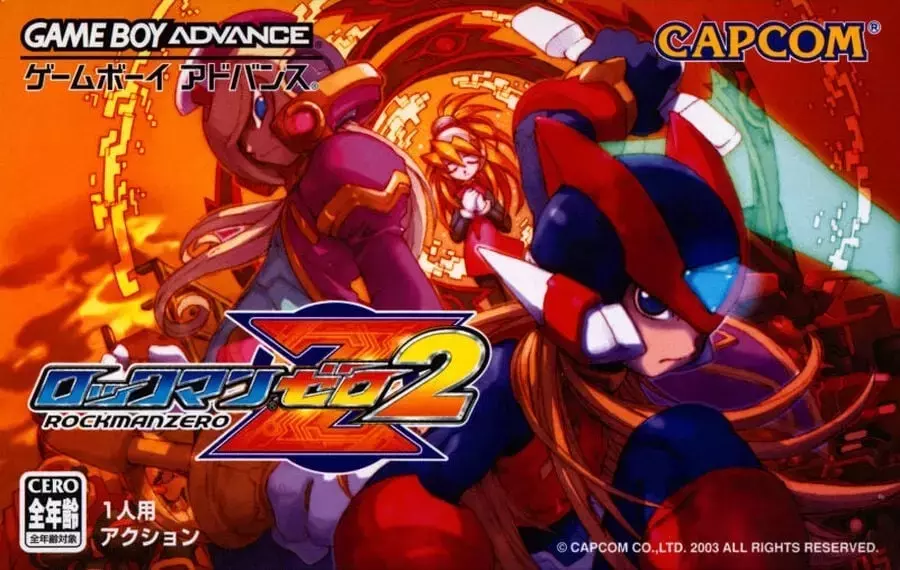
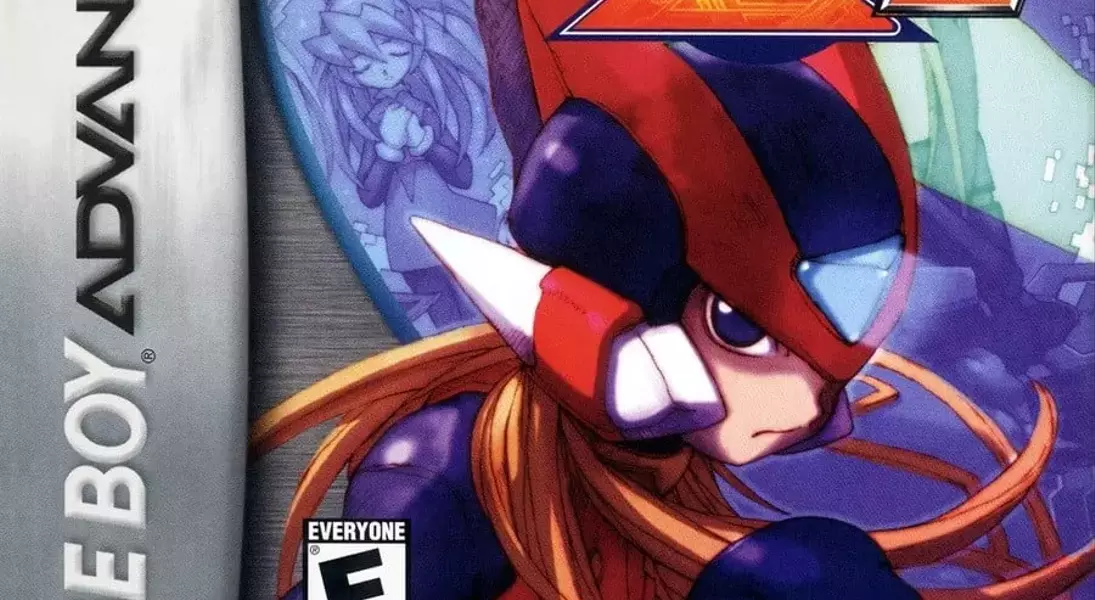

The world of video game box art frequently offers a fascinating glimpse into regional aesthetic preferences and marketing strategies. This week, the spotlight falls on the acclaimed Game Boy Advance title, Mega Man Zero 2, originally launched in 2003. Developed by Inti Creates, this sequel was well-received by critics, who praised its subtle refinements over its predecessor while maintaining a familiar and beloved gameplay experience. The discussion invites enthusiasts to participate in a three-way comparison of the box art designs from North America, Europe, and Japan, each presenting a unique visual interpretation of the game's essence.
Examining the distinct regional approaches reveals varied artistic directions. The North American cover presents an iconic depiction of Zero, captured mid-glance over his shoulder, exuding a powerful and engaging persona. Its bold design and prominent, yet balanced, logo placement contribute to its enduring appeal. In stark contrast, the European version adopts a distinct style, featuring different character posing and color palettes that some might find less cohesive. Meanwhile, the Japanese rendition expands upon the North American concept, utilizing a wider landscape format that allows for a more expansive and atmospherically moody scene. This version often incorporates additional visual elements, enriching the narrative implied by the artwork. Each cover attempts to encapsulate the game's spirit, reflecting different cultural interpretations of heroism and action.
Ultimately, the visual presentation of a game’s box art serves as its initial point of contact with players, a silent promise of the adventures within. These regional variations for Mega Man Zero 2 highlight the diverse ways in which a single product can be presented to different audiences. The ongoing appreciation and debate over these designs underscore the lasting impact of visual aesthetics in the gaming world, inviting us to not only play the games but also to engage with the art that introduces them. It encourages a deeper look into the creative processes and cultural nuances that shape how games are perceived worldwide, celebrating the artistry behind these beloved titles.
