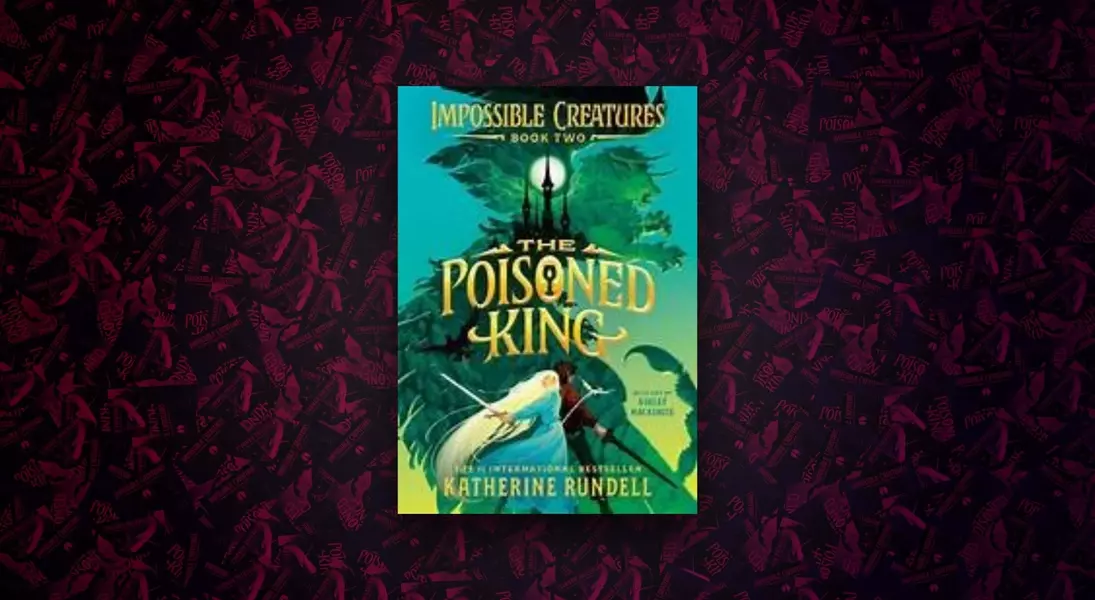
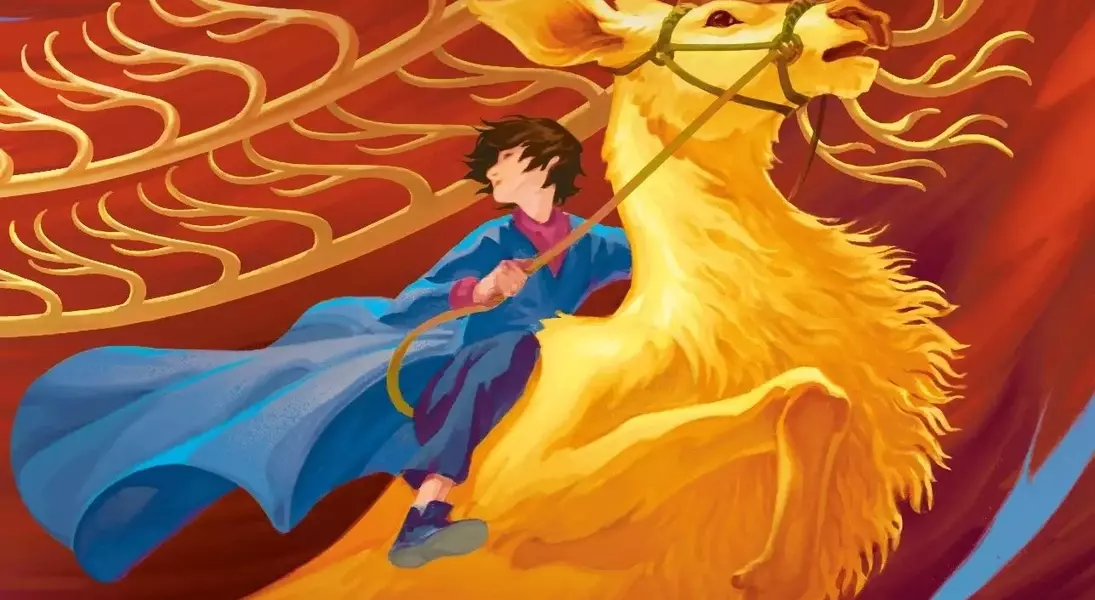
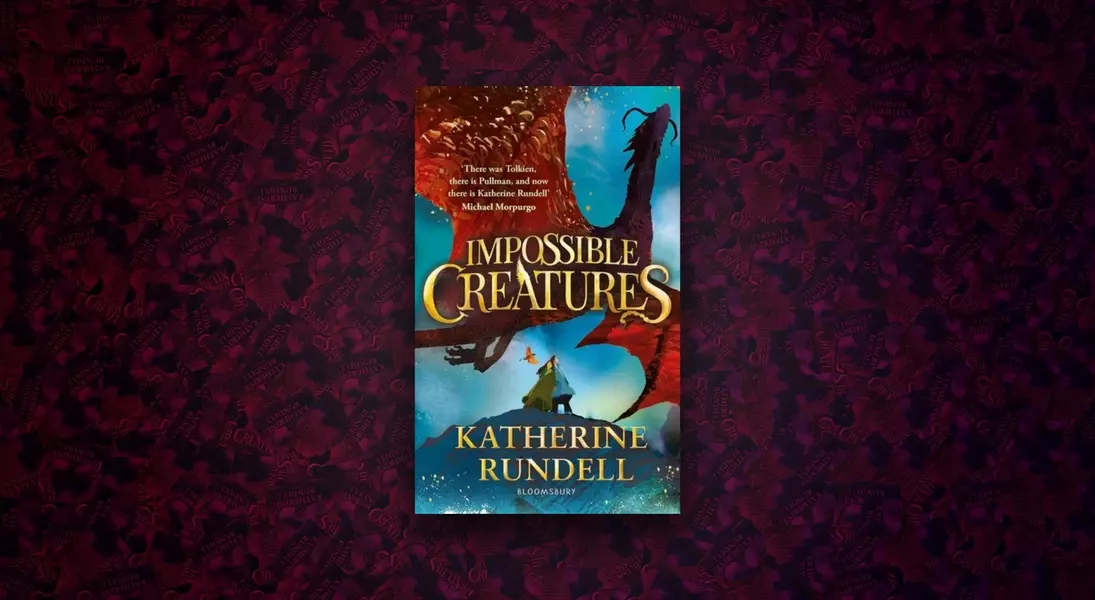
Katherine Rundell's "Impossible Creatures" series is garnering significant attention, with Disney positioning it as the next major fantasy franchise akin to "Harry Potter." Rundell's unique ability to weave intricate narratives filled with mythological creatures and profound philosophical undertones has captivated readers and critics alike. The series, set in the fantastical Glimouria Archipelago, presents a rich tapestry of adventure, danger, and heartwarming moments, establishing Rundell as a formidable voice in children's literature. Her storytelling not only entertains but also subtly introduces young readers to complex ideas, making the series a compelling read for all ages.
The third book in the series, "The Neverfear," particularly stands out for its imaginative plot and character development. It takes readers on an exhilarating quest inspired by classical myths, yet infused with Rundell's distinctive charm and wit. The protagonists, Christopher and Anya, embark on a perilous journey, encountering a diverse array of magical beings and overcoming formidable challenges. Rundell's narrative style, characterized by vivid descriptions and earnest themes, ensures that the adventure remains engaging and thought-provoking without ever becoming didactic. The series successfully balances whimsical escapades with deeper explorations of animal respect and personal growth, reinforcing its appeal as a modern fantasy classic.
The Intricate Tapestry of "The Neverfear"
"The Neverfear," the third installment in Katherine Rundell's acclaimed "Impossible Creatures" series, presents a thrilling blend of whimsical escapades and profound underlying themes. The narrative draws inspiration from classic literary works like "The Odyssey" and "Hamlet," while forging its own unique path with a storyline reminiscent of "Die Hard with a Vengeance" combined with the legendary Labours of Hercules. This installment plunges readers into a captivating quest where Christopher Forester, a boy with an extraordinary connection to animals, must navigate the perilous Glimouria Archipelago to rescue the abducted scholar Irian Guinne. Alongside the former princess Anya, Christopher undertakes a mission to collect rare components from a variety of mythical creatures, facing challenges that are both imaginative and dangerous. The book masterfully balances moments of lighthearted fun, such as an adventure in a giant bowl of custard, with more serious explorations of animal welfare and the natural world, all delivered with an earnestness that resonates deeply with readers.
Rundell's genius shines through in her ability to infuse "The Neverfear" with a rich mix of literary and philosophical allusions, many of which subtly enrich the narrative experience for discerning readers. While young audiences will undoubtedly be captivated by the thrilling adventures and diverse array of magical creatures, older readers will appreciate the clever nods to Shakespearean sonnets and profound concepts like the Ship of Theseus paradox. This philosophical device is artfully integrated into the story through Nighthand's constantly rebuilt boat, offering Christopher a powerful metaphor for resilience and transformation. The book also introduces the intriguing character of the Immortal Child, a reincarnated infant possessing all human knowledge, serving as a clever twist on the 'chosen one' trope. Despite a villain whose character occasionally echoes classic antagonists, the overall narrative is a testament to Rundell's imaginative prowess. The book is further enhanced by Ashley Mackenzie's delicate artwork and a comprehensive bestiary, cementing "The Neverfear" as a standout in children's fantasy literature.
Beyond the Pages: Philosophy, Poetry, and Endearing Characters
Katherine Rundell's "Impossible Creatures" series, particularly "The Neverfear," is distinguished by its intelligent layering of philosophical concepts and poetic beauty, elements that elevate it beyond a typical children's adventure. Rundell deftly incorporates sophisticated literary references that, while perhaps not fully grasped by the youngest readers, add depth and richness for a wider audience. Nighthand's humorous, albeit clumsy, attempts at Shakespearean poetry inject moments of levity, while the profound reimagining of the Ship of Theseus provides a poignant metaphor for personal growth and resilience. This narrative device, where Nighthand's boat is repeatedly rebuilt and renamed, beautifully illustrates how failures and challenges can lead to stronger, wiser selves, offering comfort and insight to young Christopher during moments of despair.
The character dynamics and thematic elements in "The Neverfear" are equally compelling. The heroes are not merely tasked with protecting fantastical beings but also the enigmatic Immortal Child, a recently reincarnated infant holding the sum of human knowledge. This clever subversion of the traditional 'chosen one' trope positions the child as a vital, self-evident MacGuffin, whose significance remains central regardless of the antagonist's schemes. While the villain, Astor Morax, occasionally feels derivative of classic dark lords, the focus on his dangerous lieutenants allows the story to maintain its unique charm. Rundell's descriptive prose has a unique ability to transport readers to a world where trees come alive and fearless warriors find courage in unexpected places. The series champions respect for animals and the natural world, a theme delivered with genuine sincerity. The collaborative spirit among the protagonists, their willingness to make sacrifices, and their confrontation of difficult truths underscore the series' emotional depth, making Rundell's "Impossible Creatures" a truly magical and enduring literary experience.
