The narrative journey of "Boruto" presents a compelling case study in the challenges and triumphs of extending a beloved franchise. Initially burdened by comparisons to its legendary predecessor, "Naruto," the series has progressively carved out its own unique identity, evolving from a perceived shadow into a distinct and engaging saga. This transformation highlights the delicate balance between honoring an established legacy and pioneering new narrative territories.
Boruto: Forging a New Path Beyond Naruto's Shadow
The Genesis of a Successor: Boruto's Inception and Initial Struggles
Masashi Kishimoto, the mastermind behind the globally acclaimed "Naruto," envisioned "Boruto" as the next chapter in the shinobi world. Introduced in 2013, Boruto Uzumaki, son of the Seventh Hokage, Naruto, was designed to parallel and diverge from his father's journey. While Boruto featured in various "Naruto" adaptations, his standalone manga sequel truly took flight with Mikio Ikemoto as illustrator and Ukyō Kodachi initially helming the story. Celebrating its tenth anniversary, "Boruto" commenced with its "Part I: Naruto Next Generations," which, despite drawing in a loyal fanbase, grappled with the immense expectations set by its iconic predecessor.
Navigating Expectations: Boruto's Early Challenges and Character Dynamics
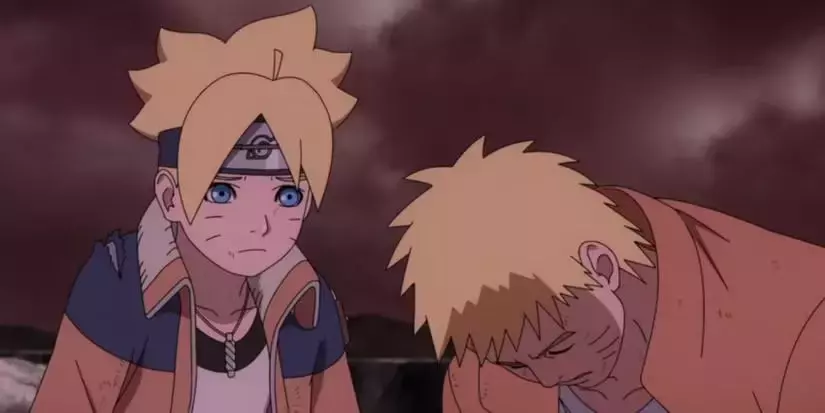
Boruto's introduction positions him as a gifted prodigy, constantly measured against his father's monumental achievements. Unlike Naruto, who grew up as an orphan unaware of his heritage, Boruto grapples with the demanding responsibilities of his father, the leader of the Hidden Leaf Village. This dynamic fuels Boruto's early frustrations and shapes his views on authority. While his initial angst is a relatable aspect of his character development, it's a phase he gradually overcomes, emphasizing the series' focus on his personal evolution. The early arcs mirror "Naruto's" foundational journey, with Boruto joining a ninja team and undertaking the rigorous Chunin Exams, yet these early endeavors struggled to capture the same magic.
Critical Lens: Analyzing the Aesthetic and Narrative Flaws of Part I
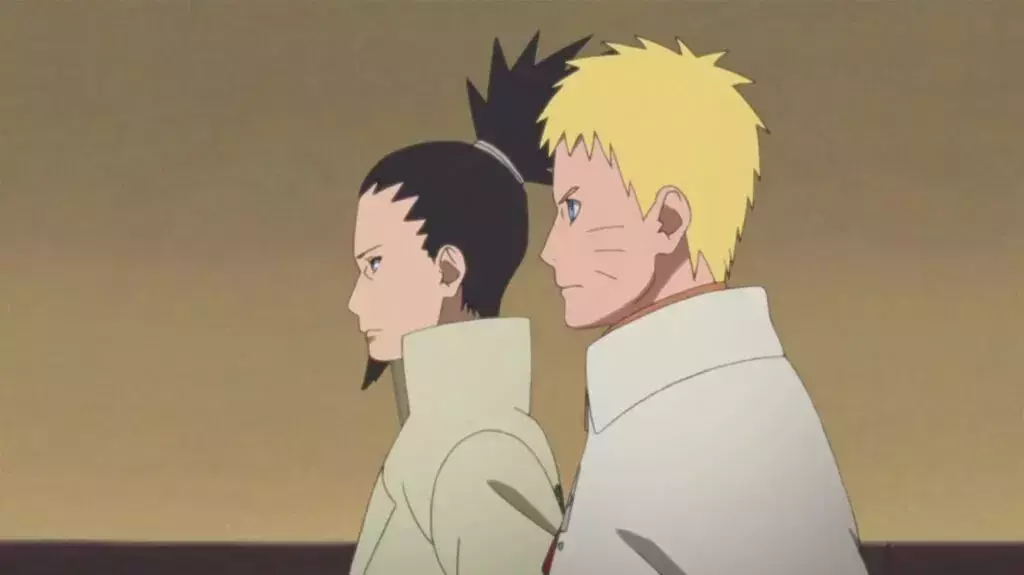
The initial phase of "Boruto" faced considerable criticism, particularly regarding its animation quality. Unlike the consistently stunning fight sequences that defined "Naruto" and "Naruto: Shippuden," "Boruto's" visuals often fell short. While memorable moments, such as the epic confrontation between Naruto, Sasuke, and Momoshiki, did emerge, they were isolated highlights rather than consistent features. Beyond aesthetics, the narrative also struggled to integrate new characters effectively while maintaining the presence of beloved legacy figures. The diverse cast often felt underdeveloped and relied heavily on tropes, failing to evoke the profound emotional connections fostered by "Naruto's" secondary characters.
A Turning Point: The Maturity and Evolution in Part II: Two Blue Vortex
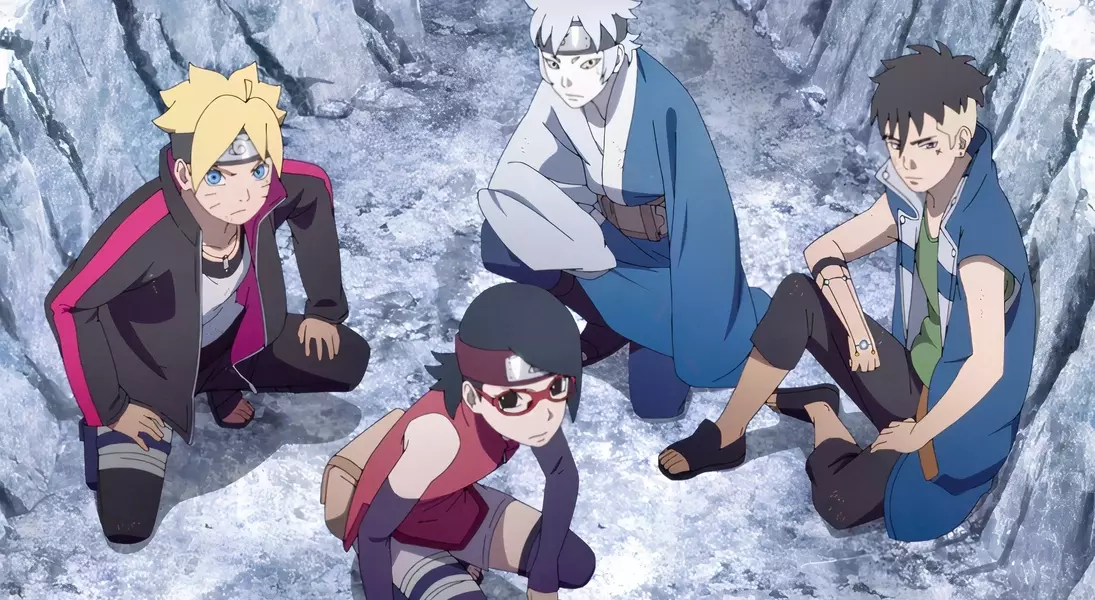
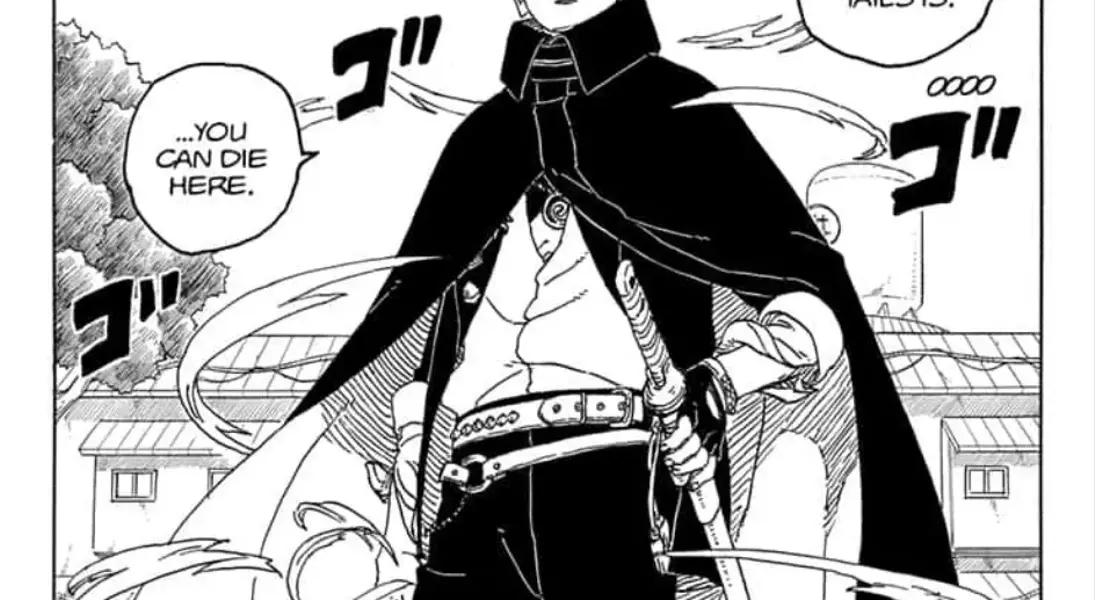
The series experienced a significant shift with "Part II: Two Blue Vortex." Following a three-year time jump, this arc presents a more mature and grounded narrative, reminiscent of "Naruto: Shippuden." Boruto finds himself ostracized and branded a traitor, forced to flee his village after being falsely accused of his parents' demise. This dramatic turn pushes Boruto to prove his worth independently, distancing himself from his father's legacy. The introduction of Kawaki, Boruto's adoptive brother, as a tragic counterpart who fundamentally alters their destinies, introduces an emotional complexity previously unseen in the "Naruto" universe, signaling a departure from merely replicating past successes.
The Creative Handover: Kishimoto's Legacy and Ikemoto's Vision
The distinctive trajectory of "Boruto" is intricately linked to the shifting roles of its creators. While Masashi Kishimoto initially provided supervision, his active involvement was limited in the earlier arcs. Following Ukyō Kodachi's departure after thirteen manga volumes, Kishimoto assumed a more central role alongside Mikio Ikemoto. Although Kishimoto contributes story outlines, the ultimate creative direction rests with Ikemoto, who is largely credited for the marked improvement in "Two Blue Vortex." This collaborative evolution explains why Part II resonates more with the nostalgia of "Naruto," even as "Boruto" develops its own distinct artistic and narrative approach.
Beyond Comparison: Boruto as a Unique Coming-of-Age Narrative
Perceiving "Boruto" as a distinctive coming-of-age narrative rather than a mere continuation allows for a deeper appreciation of its merits. It’s a continuation that diverges from Kishimoto's traditional themes, notably integrating new-age technology alongside conventional ninjutsu. While its antagonists may not possess the profound depth of characters like Pain or Itachi from "Naruto," compelling villains such as Jura continue to elevate the stakes. Despite occasional unevenness, "Two Blue Vortex" signifies a substantial improvement over Part I, indicating a promising future. "Boruto" deserves the opportunity to unfold its complete story, shedding the label of an inferior sequel and being recognized as a compelling narrative in its own right, distinct from the enduring legacy of "Naruto."
