In the latest installment of our popular box art comparison series, we delve into the visual aesthetics of the classic Virtual Boy title, Galactic Pinball. This comes as Nintendo expands its Switch Online library with additional Virtual Boy games. We examine the distinct approaches taken by designers for the North American and Japanese markets, inviting enthusiasts to weigh in on their favorite.
The Visual Showdown: Galactic Pinball's Regional Covers
Our weekly feature, 'Box Art Brawl,' continues its exploration of gaming aesthetics, this time focusing on the Virtual Boy's 'Galactic Pinball.' This particular title has recently been added to the Nintendo Switch Online service, sparking renewed interest. Last week's contest saw the North American cover for 'Bubsy in Claws Encounters of the Furred Kind' triumph with 44% of the votes, narrowly beating Japan's 37%, while Europe trailed with 18%.
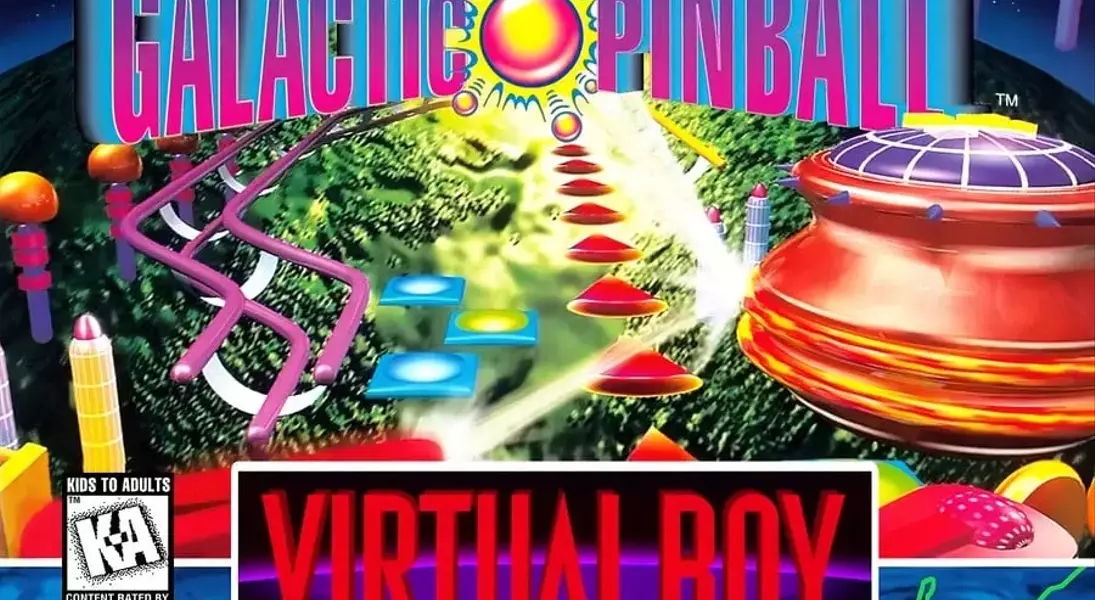
For 'Galactic Pinball,' there is no European counterpart, leaving a direct head-to-head battle between the North American and Japanese designs. The North American cover presents a vibrant, colorful depiction that, while showcasing some pinball elements like bumpers and rails, subtly integrates the iconic Virtual Boy logo. Its overall visual appeal is straightforward and bold.
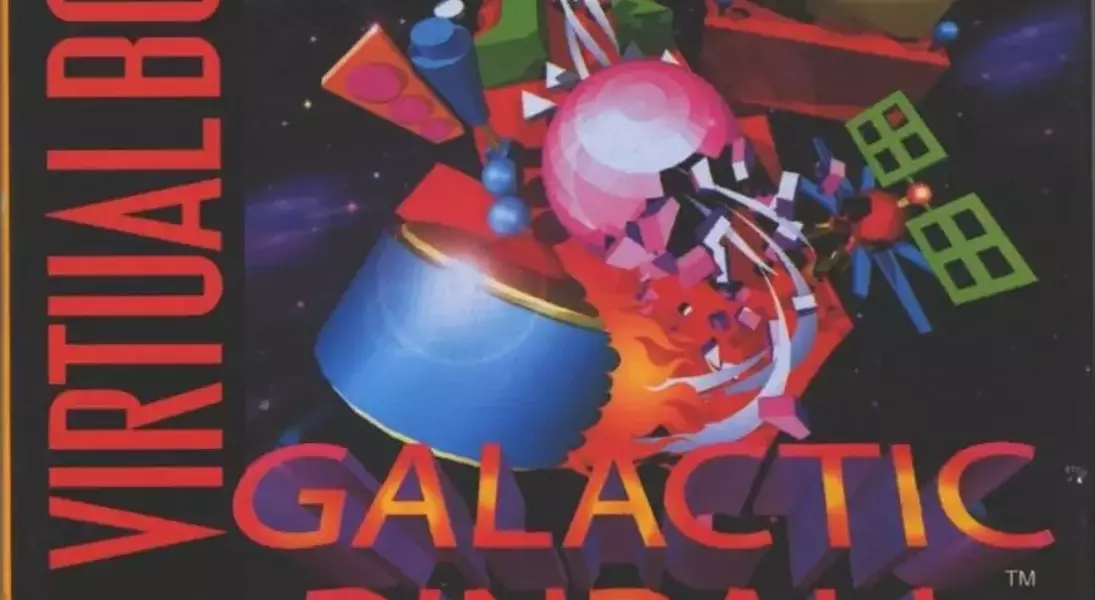
In contrast, the Japanese cover takes a more abstract and artistic approach. It prompts reflection on how a renowned artist might interpret a pinball machine. Though arguably more chaotic, its distinctive visual style offers an intriguing glimpse into the mid-90s 3D graphic trends. Both covers, despite their individual merits, encapsulate the unique design sensibilities of their respective regions for a game that offers virtual pinball action, albeit with the potential for visual strain.
This ongoing series offers a fascinating look into the cultural and artistic differences in video game packaging across various regions. Each week, players and fans are given the opportunity to reflect on how these visual representations influenced their perceptions and experiences of classic titles. The conversation around these design choices highlights the enduring legacy of gaming artwork and its power to evoke nostalgia and spark debate.
