
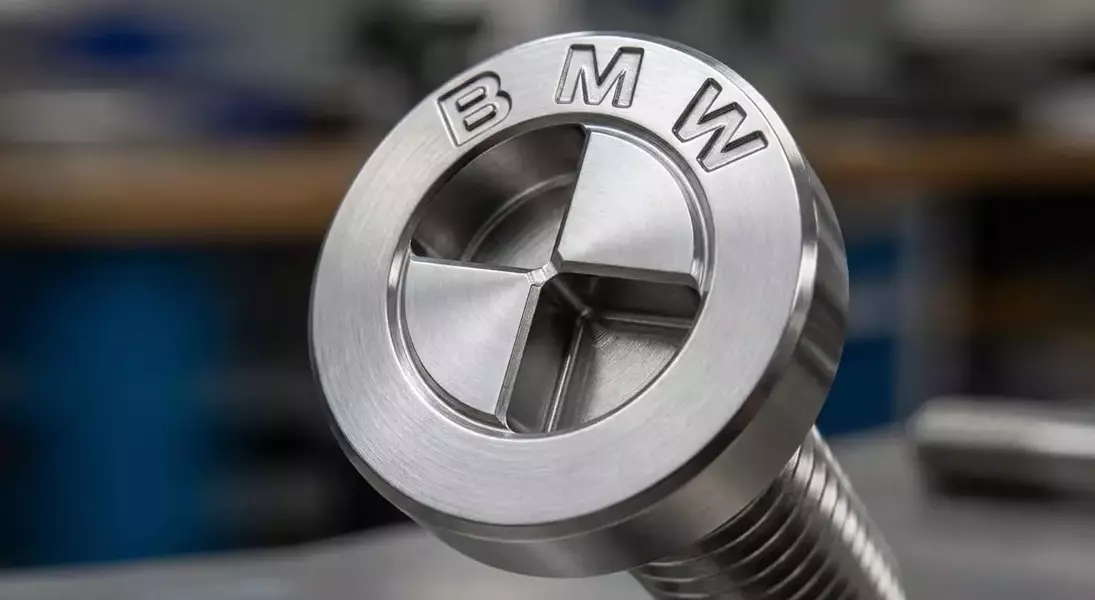

BMW has introduced a new, patented screw design featuring its distinctive roundel emblem, a move that significantly impacts vehicle repair accessibility. This specialized fastener necessitates a unique tool, effectively steering owners towards authorized dealerships for maintenance and service. The development highlights a growing divergence in the automotive industry, as competitors like Mercedes-Benz aim to simplify car repairs. This strategy by BMW has sparked discussions about the balance between brand control, design aesthetics, and consumer rights, particularly the ability of individuals and independent repair shops to service vehicles without proprietary equipment.
The integration of this exclusive screw head into structural and semi-structural components, such as seat mounts, suggests a deliberate effort to restrict unauthorized access to crucial parts. While BMW touts design consistency and enhanced security against tampering, the practical outcome is a reduction in independent repair options and an increased reliance on manufacturer-specific services. This trend comes at a time when there is a broader push for 'right to repair' legislation, which advocates for easier access to parts, tools, and information for consumers and third-party repair providers. BMW's patent, if widely implemented, could set a precedent that reshapes the future of automotive repair and ownership, potentially limiting consumer freedom and fostering a more closed-loop service ecosystem.
BMW's Exclusive Fastener and its Implications for Repairability
BMW has introduced a patented screw design featuring its signature roundel shape, which mandates a specific, brand-exclusive tool for any adjustments. This innovative fastening mechanism is poised to restrict car owners and independent repair facilities from performing maintenance on certain vehicle components. The introduction of such a proprietary component stands in stark contrast to the initiatives by other leading automotive manufacturers, notably Mercedes-Benz, which are actively pursuing strategies to enhance the ease of vehicle repair. This divergence in approach raises significant questions about consumer autonomy and the future landscape of automotive service and maintenance.
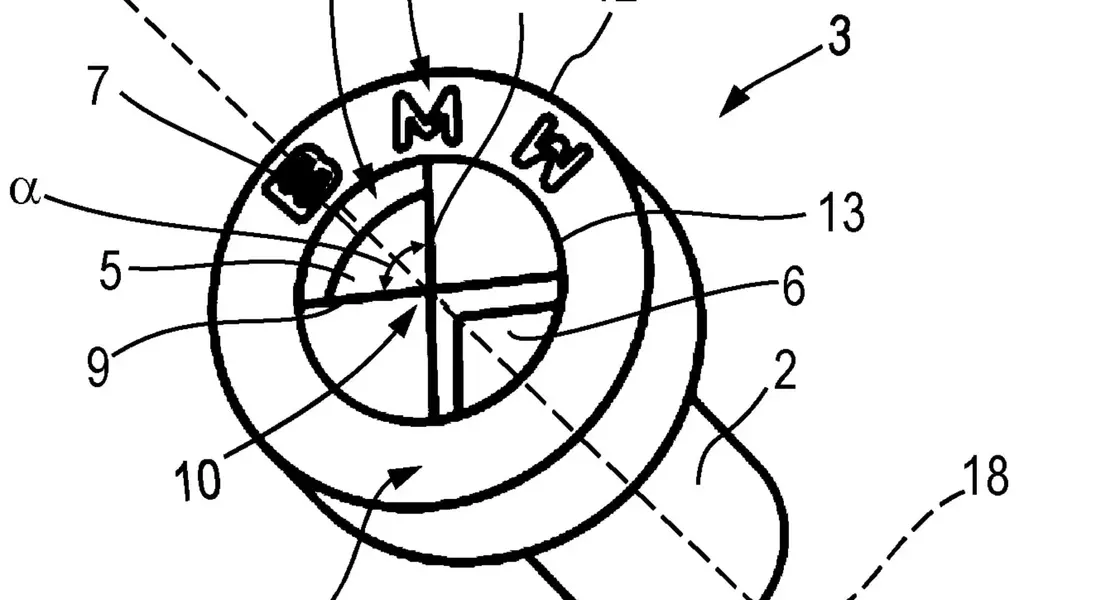
This proprietary screw, characterized by its unique roundel shape, requires a specialized driver that is not readily available to the general public or independent workshops. BMW's design prevents standard tools like Torx or hex keys from engaging with the fastener, thereby limiting who can access and service parts secured by these screws. The patent explicitly states the intention to prevent loosening or tightening by unauthorized individuals using common tools. This move, while potentially enhancing security and design consistency for BMW, essentially forces vehicle owners to rely on official dealerships for repairs involving these components. This situation contrasts with broader industry trends towards greater repair accessibility and could significantly impact the operational costs and convenience for BMW owners.
The Strategic Implementation of BMW's Patented Screw Design
BMW intends to deploy these uniquely designed screws in critical structural and semi-structural areas of its vehicles, such as seat mountings and junctions between interior panels and the car's body. These are locations that typically require high-torque fasteners and professional expertise, making the introduction of a proprietary tool a strategic move to centralize repair operations within BMW's authorized network. The patent also describes multiple variations of the screw head, including socket, flat, and round designs, hinting at a potential widespread application across various vehicle parts. This extensive use could further solidify BMW's control over its vehicles' repair and maintenance ecosystem.
By embedding these exclusive fasteners throughout its vehicles, BMW effectively establishes a hardware-based barrier to entry for any non-dealer repair work. This strategy not only makes DIY repairs more challenging but also creates significant hurdles for independent garages, which would need to invest in specialized BMW-specific tools. For vehicle owners, this could mean that even minor repairs or adjustments, such as removing a seat, might necessitate an obligatory visit to a BMW dealership, leading to higher service costs and reduced flexibility. While the patent signifies BMW's commitment to distinctiveness and perhaps perceived security, its broader implications suggest a strategic effort to generate additional revenue through mandatory dealership services, potentially alienating a segment of its customer base and independent repair professionals.
