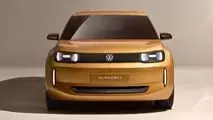
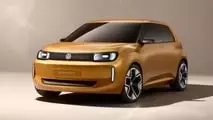
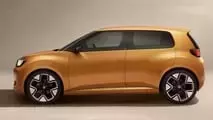
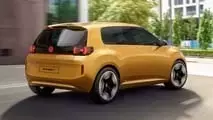
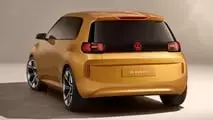
In a significant shift, Volkswagen is preparing for a future where small gasoline-powered vehicles are no longer viable in Europe. Driven by increasingly strict emissions standards set to tighten further by 2030, the German automotive giant believes that the economic burden of developing new internal combustion engine (ICE) models in the compact segment will become too high, inevitably passing prohibitive costs onto consumers. This strategic pivot means popular models like the Polo will transition to fully electric powertrains, with new, more affordable EV offerings already in the pipeline to capture the growing European electric vehicle market.
Automakers across Europe are navigating a complex regulatory landscape. While the European Commission recently considered easing the 2035 ban on new combustion engine vehicle sales, manufacturers are still mandated to significantly reduce fleet emissions, aiming for a 90% cut compared to 2021 levels. This regulatory pressure, combined with new CO2 targets implemented this year and even stricter ones anticipated from 2030 onwards, creates an environment where traditional small gasoline cars are becoming economically unfeasible.
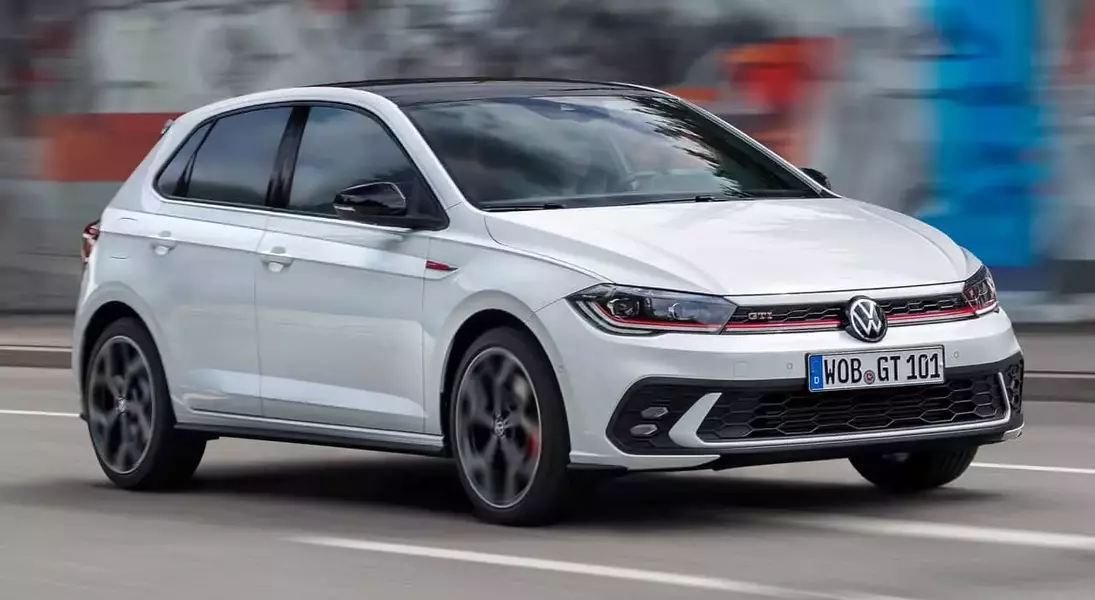
Thomas Schäfer, the head of Volkswagen's best-selling brand in Europe, articulated this vision in an interview, stating unequivocally that the future of the compact segment is electric. He highlighted that the costs associated with upgrading internal combustion engine vehicles in the B-segment to meet evolving environmental standards would render them uncompetitive in terms-of pricing for average consumers. As a result, the Volkswagen Polo, a long-standing popular model, is expected to shed its gasoline engine entirely.
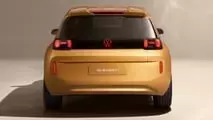
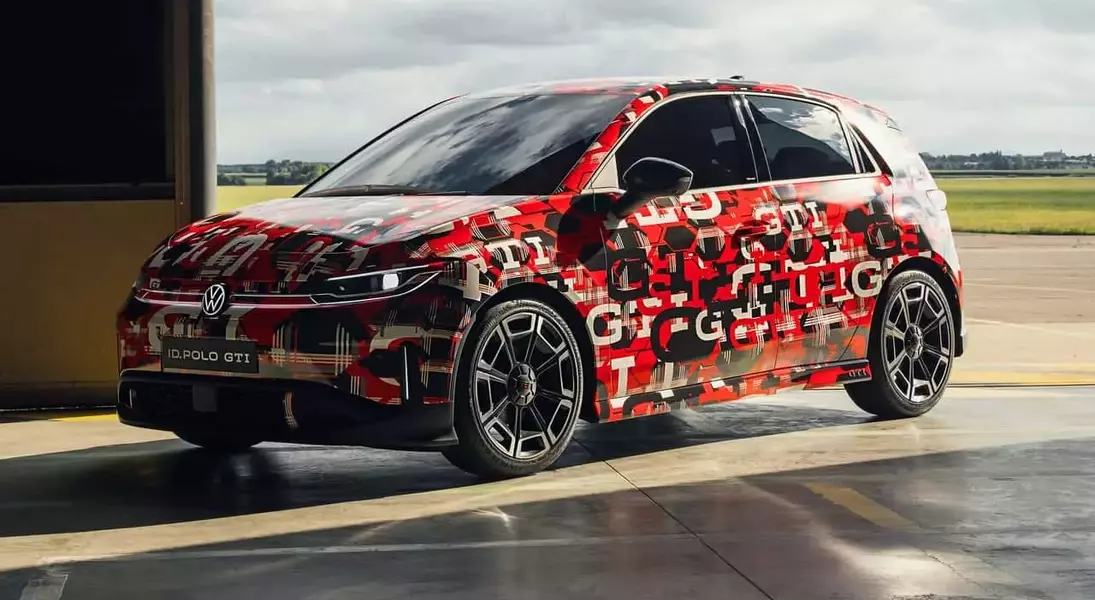
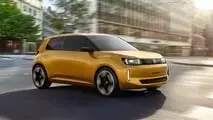
The transition is already underway, with the electric successor to the Polo, referred to as the ID. Polo, slated for release next year with an anticipated starting price of €25,000. Further expanding its electric lineup, Volkswagen plans to introduce a production version of the ID. Every1 concept in 2027, which is expected to offer an even more accessible entry point at €20,000. These price points, including VAT but before potential national incentives, underscore Volkswagen’s commitment to making electric mobility affordable. Additionally, a Polo-sized electric crossover, previewed by the ID. Cross concept, is also in development, with all these new electric models utilizing the dedicated MEB+ platform.
While the company focuses on its electric future, existing small gasoline-powered models, including the current Polo and the T-Cross crossover, will continue to be offered for an unspecified period. Volkswagen intends for these vehicles to coexist with their electric counterparts before a complete phase-out of conventionally powered models occurs. This dual-strategy allows for a gradual transition while catering to current market demands.
Volkswagen's confidence in this electric shift is reinforced by its strong performance in the European market. The brand leads sales in the EU, having sold over a million units in the first ten months of the year. This success occurs amidst a broader growth in electric vehicle adoption across Europe; electric cars accounted for 16.4% of the EU market through October, an increase from 13.2% in the previous year. Factoring in non-EU countries like the UK, Iceland, Liechtenstein, Norway, and Switzerland, the EV market share rises to 18.3%. Volkswagen's upcoming range of affordable electric vehicles is poised to significantly contribute to this rising demand for sustainable transportation.
