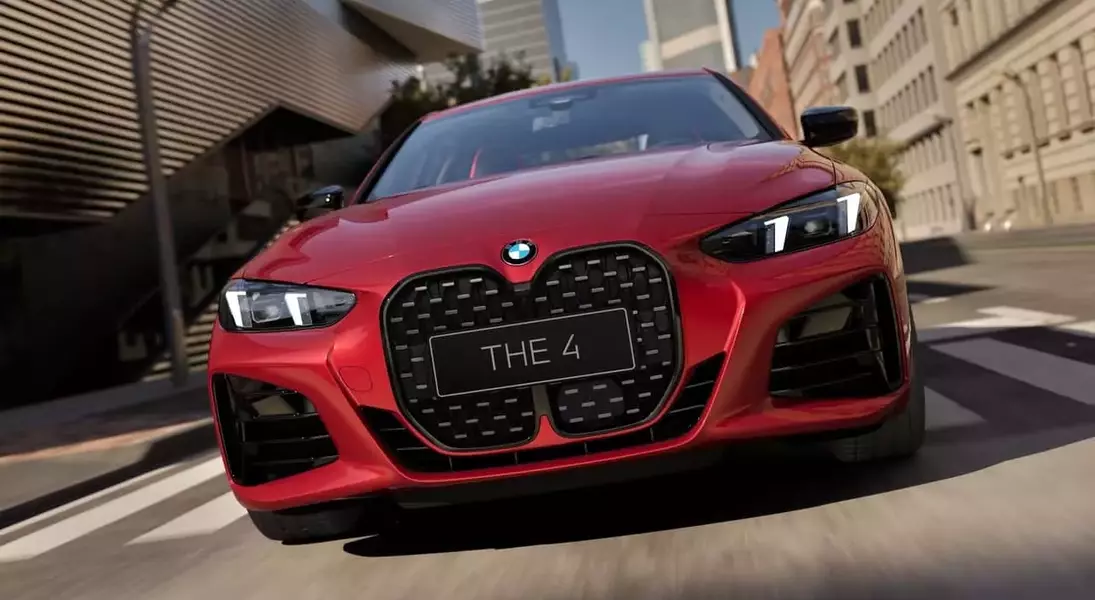
BMW has officially announced the continuation of its 4 Series, a move that solidifies the model's presence in the automotive landscape. This next iteration will offer a dual powertrain strategy, encompassing both conventional internal combustion engines and advanced electric options. This decision reaffirms the manufacturer's dedication to its sportier offerings, ensuring that performance enthusiasts will still have access to models like the M4.
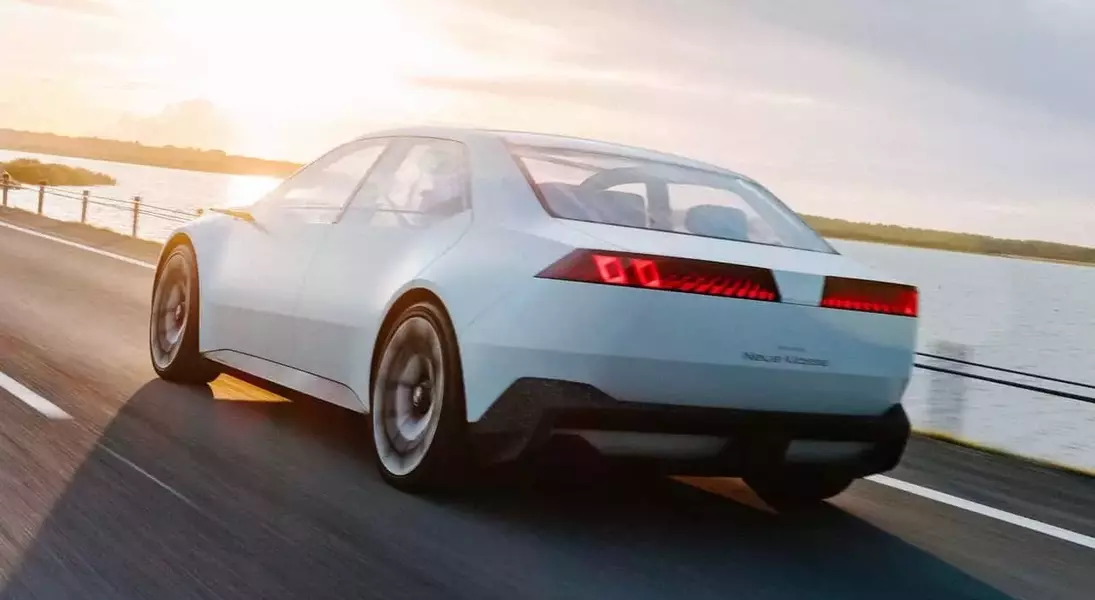
For some time, there had been speculation regarding the long-term viability of the BMW 4 Series, especially as many competitors have begun to phase out their two-door vehicles. However, recent disclosures from the company indicate that the 4 Series is not only here to stay but is also a pivotal component of BMW's future strategy. Engineers in Munich are actively developing the third generation, which is designed to complement the upcoming "Neue Klasse" 3 Series by providing a more athletic and aesthetically distinct alternative.
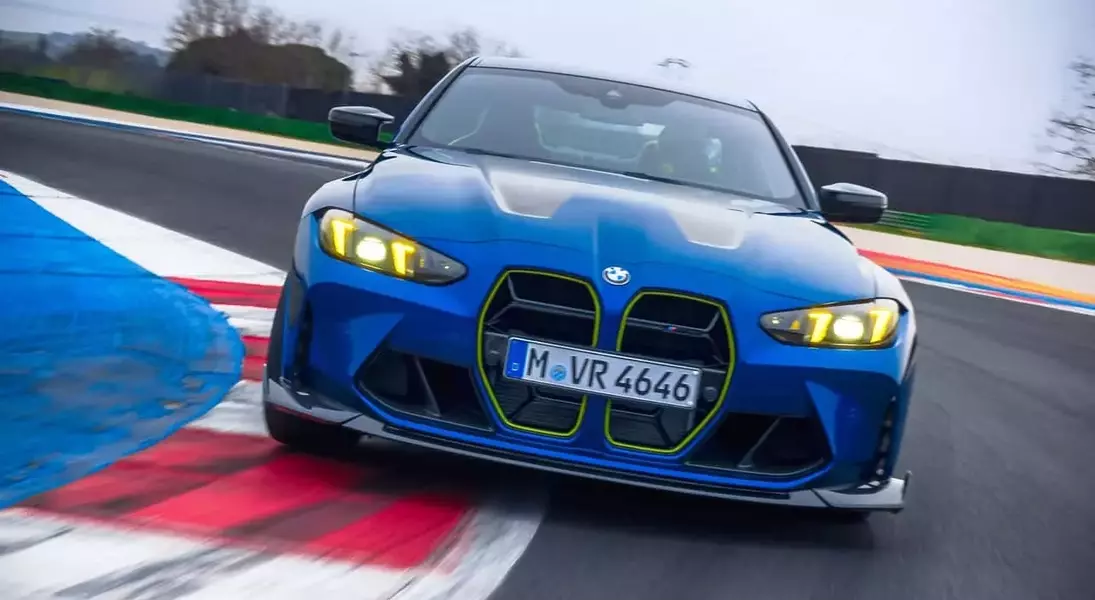
A significant highlight for performance aficionados is the definitive confirmation of a new M4. While there was earlier talk of a potentially all-electric M4, the latest information suggests that gasoline power will very likely remain an option. This dual-powertrain approach for the M4 aligns with BMW's strategy for other high-performance models, offering both a potent electric version with advanced torque vectoring and a variant retaining the updated S58 inline-six engine.
Joachim Post, BMW's head of R&D, provided clarity on the 4 Series' future, emphasizing its critical role within the brand's portfolio. He highlighted that the 4 Series, known for its sporty character, embodies BMW's heritage of performance. This official statement marks the first concrete confirmation of a third-generation 4 Series, indicating BMW's readiness to capitalize on a market segment where rivals like Audi and Mercedes-Benz are streamlining their coupe offerings.
The economic viability of continuing the 4 Series, despite coupes and convertibles selling in smaller volumes than sedans, is attributed to shared development processes. As Post explained, designing a 3 Series or an X3 inherently involves considerations for the 4 Series or X4, creating synergies that facilitate easier production of derivative models. This approach not only secures the future of the 4 Series but also hints at the continued development of BMW's SUV coupes, such as the X4 and X6, which will share powertrains with their respective SUV counterparts.
The forthcoming 4 Series is anticipated to utilize the versatile Neue Klasse architecture, which is capable of supporting diverse powertrain configurations. This includes a next-generation i4, closely linked to the electric i3, alongside highly fuel-efficient gasoline variants. Reports suggest that the electric model could feature a substantial 108.0 kWh battery, potentially delivering a range exceeding 497 miles on the WLTP cycle. Furthermore, BMW's proactive development of next-generation gasoline engines to meet stringent Euro 7 emissions standards provides a strategic advantage, offering greater flexibility compared to many competitors.
BMW's unwavering dedication to the 4 Series and its commitment to offering both electric and traditional combustion engine options underscores a balanced strategy in a rapidly evolving automotive industry. This approach ensures that the brand continues to cater to a broad spectrum of consumer preferences, from those seeking cutting-edge electric performance to purists who value the engaging experience of a gasoline-powered sports car.
