BMW is undergoing a significant leadership transition as it gears up for an extensive renewal of its vehicle lineup, driven by a strategic shift towards electrification and innovation.
A New Era Dawns: BMW's Executive Transition and Ambitious Future Plans
Leadership Succession and Board Policy
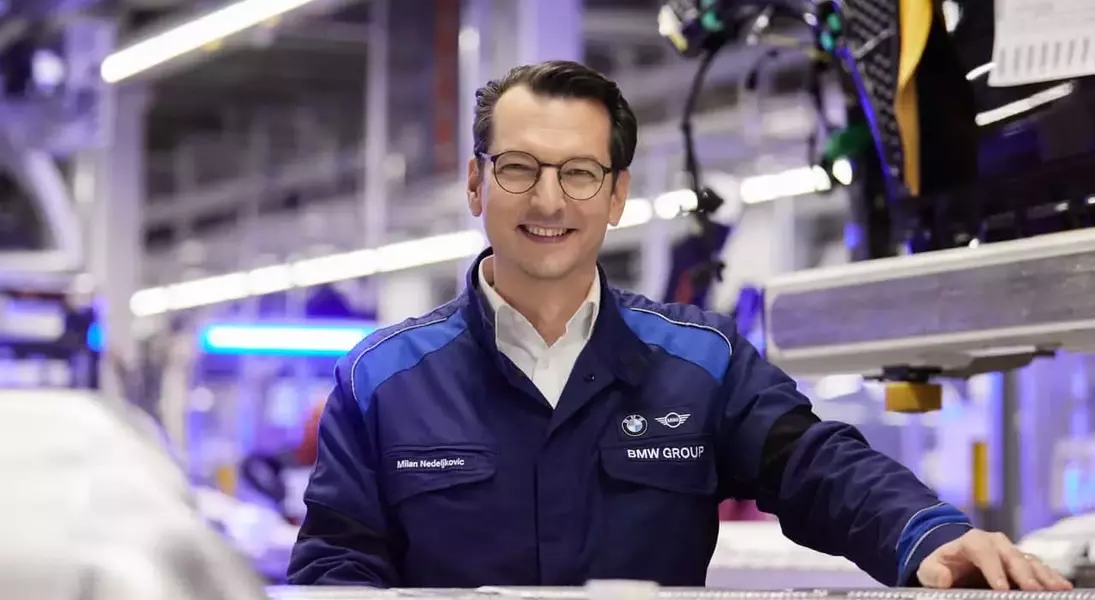
The esteemed Supervisory Board of BMW has officially appointed Milan Nedeljkovic to assume the role of Chief Executive Officer, effective May 14, 2026. He will take over from the current CEO, Oliver Zipse. This executive change aligns with the company's long-standing policy regarding the retirement age for its management board members, which typically is set at 60 years old. Interestingly, exceptions have been made for both the outgoing and incoming leaders, allowing them to serve beyond this conventional age limit, underscoring their invaluable contributions and the strategic importance of continuity during this transformative period.
The Extensive Product Development Initiative
Nedeljkovic, previously holding a key position in production, steps into the CEO role at a pivotal moment for BMW. The company is on the cusp of an ambitious product offensive, branded as the "Neue Klasse" initiative. This comprehensive plan involves the introduction of approximately 40 updated and entirely new vehicle models by the close of 2027. This aggressive product roadmap, largely conceived under Oliver Zipse's leadership, signals BMW's commitment to staying at the forefront of automotive innovation and market trends.
Forthcoming Models and Electrification Strategy
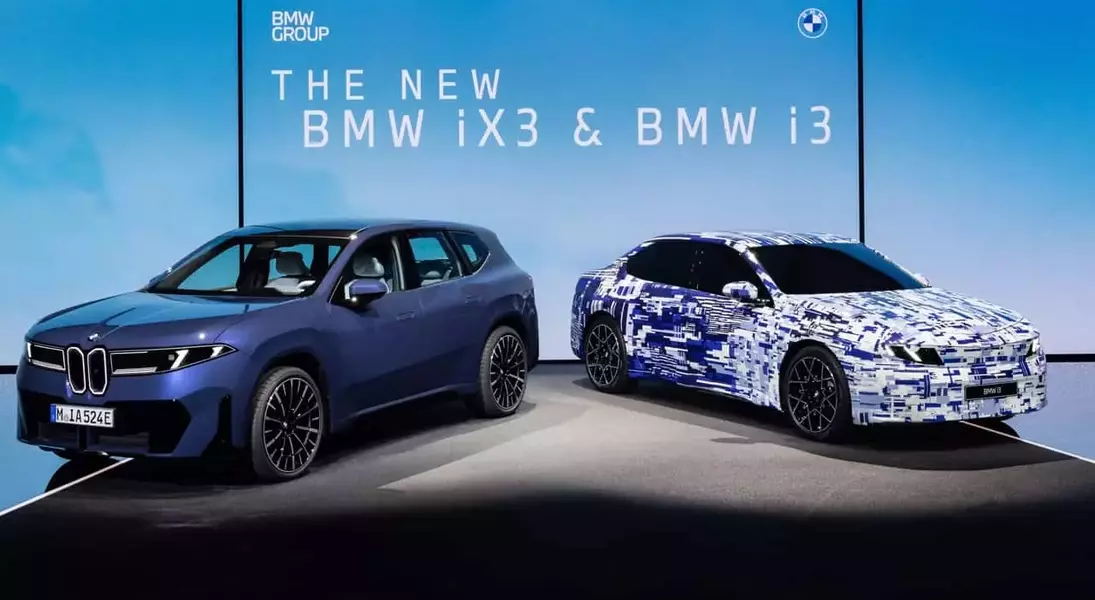
The next few years promise a flurry of new BMW vehicles. The launch sequence has already begun with the 2026 iX3, a fully electric model. The coming year will see the debut of the eighth-generation 3 Series and the electric i3 sedan. Looking further ahead to 2026, the fifth-generation X5 is slated for release, marking its first appearance as a battery-electric vehicle. Furthermore, a hydrogen fuel cell variant, developed in collaboration with Toyota, is also on the horizon, expected to join the fleet by 2028. This diverse range of powertrain options highlights BMW's multifaceted approach to sustainable mobility.
Expanding Portfolio and Brand Evolution
Beyond its core BMW offerings, the company is also reinvigorating its other prestigious brands. The 7 Series is set for a facelift in 2026, a year that may also witness the reintroduction of the X4, exclusively as the all-electric iX4. Following the acquisition of Alpina in early 2022, BMW is poised to redefine the direction of this niche marque, with a new Alpina 7 Series anticipated to precede a new X7. Reports suggest that BMW's portfolio will expand with at least three additional models by the decade's end, including a robust SUV designed to compete with luxury off-roaders like the Mercedes G-Class and Land Rover Defender, and two entry-level electric vehicles, possibly named the i1 hatchback and i2 sedan. Enthusiasts of electric wagons might also look forward to an i3 Touring variant before 2030, catering to a broader range of consumer preferences.
Challenges and Future Outlook
As Milan Nedeljkovic assumes leadership, he faces the formidable task of steering BMW through a dynamic automotive landscape. Key challenges include managing an expanded and diverse product portfolio, navigating increasingly stringent European emissions regulations, and contending with fierce competition, particularly from emerging markets like China. Despite these obstacles, Oliver Zipse's tenure, which began in 2019, successfully positioned BMW ahead of its luxury rivals, Mercedes and Audi, in sales, while also preparing the company for the ambitious "Neue Klasse" era amidst the global pandemic. Nedeljkovic's leadership will be crucial in building upon this foundation and propelling BMW into a future dominated by electric and advanced automotive technologies.
