Ford's presence in the European automotive landscape has diminished considerably over the past two decades, with a sharp decline in vehicle sales and market share. From delivering 1.2 million cars and holding an 8.3 percent market share in 2005, sales dropped to just over 250,000 units in the first ten months of 2025, reducing its share to 2.9 percent. This downturn follows the discontinuation of popular models such as the Ka, Fiesta, Focus, and Mondeo, prompting Ford to seek a strategic alliance to revitalize its European offerings and adapt to the evolving market.
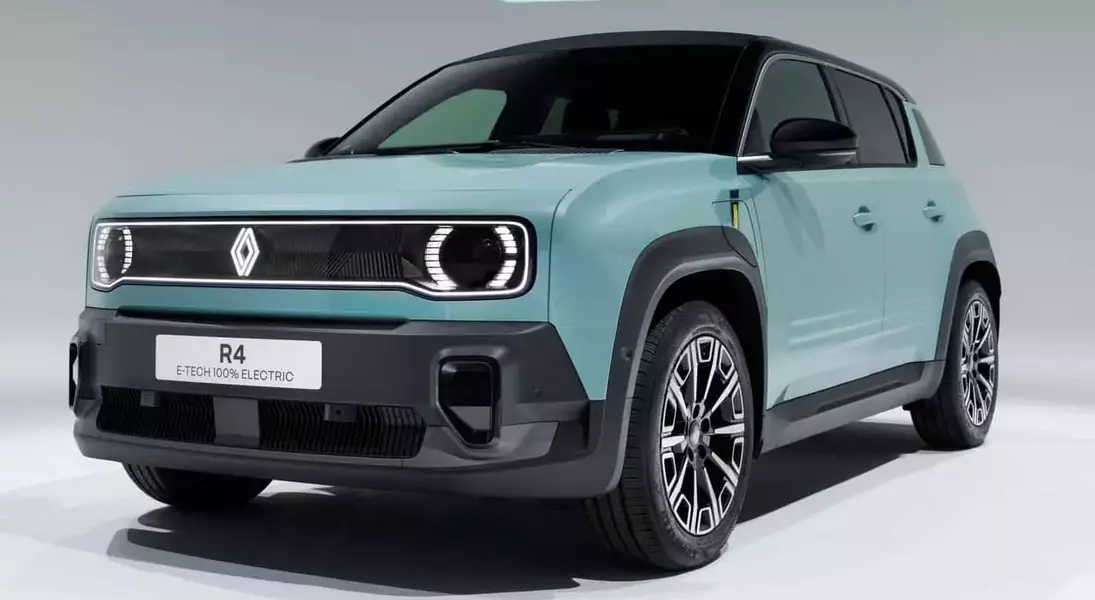
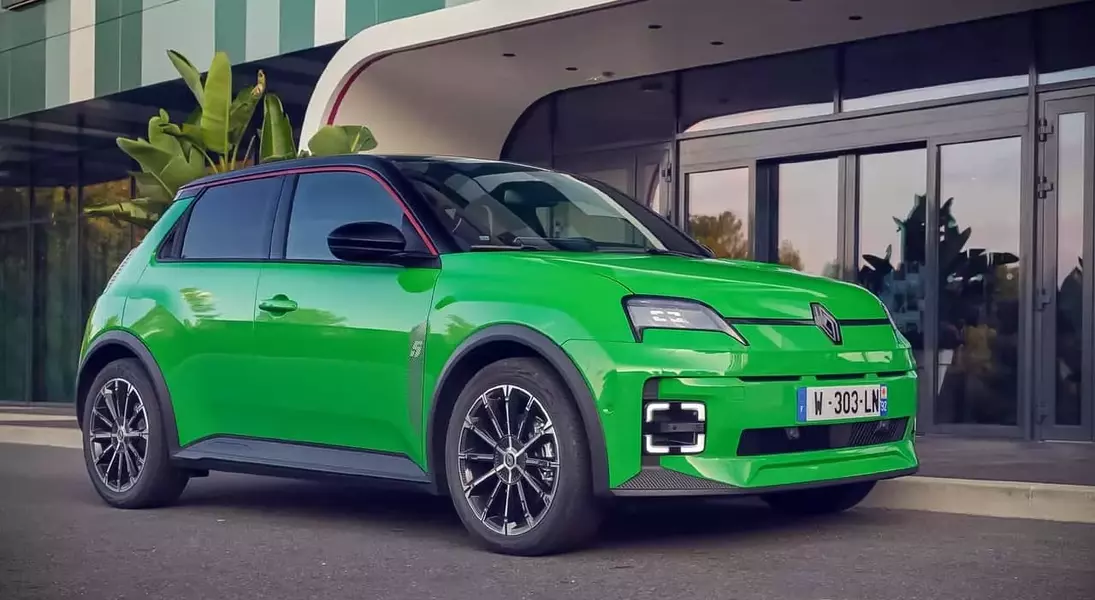
To address this challenge, Ford is collaborating with Renault on the development and manufacturing of two new electric vehicle models. These vehicles will be engineered by Renault in northern France and will utilize the Ampere platform, a versatile architecture that underpins several compact electric models from Renault, Alpine, and Nissan. While Renault handles the engineering, Ford emphasizes that these future EVs will retain an authentic 'Ford-brand DNA' and distinctive driving dynamics. The first of these two models is anticipated to debut in early 2028, signaling Ford's commitment to re-establishing its presence in the European electric vehicle segment.
Although the exact identities of these upcoming Ford-badged EVs remain undisclosed, their reliance on the Ampere platform suggests they will be compact vehicles, potentially including a hatchback and a crossover. This collaboration is a significant step for Ford, enabling it to accelerate new model introductions and maintain a competitive edge in Europe's dynamic market. However, with electric vehicles typically being more expensive to produce than their internal combustion engine counterparts, Ford faces the challenge of regaining its lost market share in a highly competitive and cost-sensitive environment, even as it also expands its partnership with Renault into light commercial vehicles.
This strategic collaboration highlights the automotive industry's continuous evolution towards electric mobility and the need for companies to adapt and innovate through partnerships. Ford's proactive approach to leverage external expertise not only ensures its survival in a shifting market but also demonstrates a commitment to sustainable transportation. This new chapter marks a turning point, where collaboration fuels progress and allows legacy brands to redefine their future in an electrified world.
