


This article explores the profound yet often unacknowledged psychological landscape of elite athletes, who, despite reaching the pinnacle of their respective sports, grapple with existential questions and a sense of unfulfillment. It challenges the conventional narrative that winning is the ultimate goal, revealing how top performers are increasingly seeking deeper meaning beyond their professional triumphs.
Victory's True North: Redefining Athletic Fulfillment
The Unforeseen Questions of a Champion Golfer
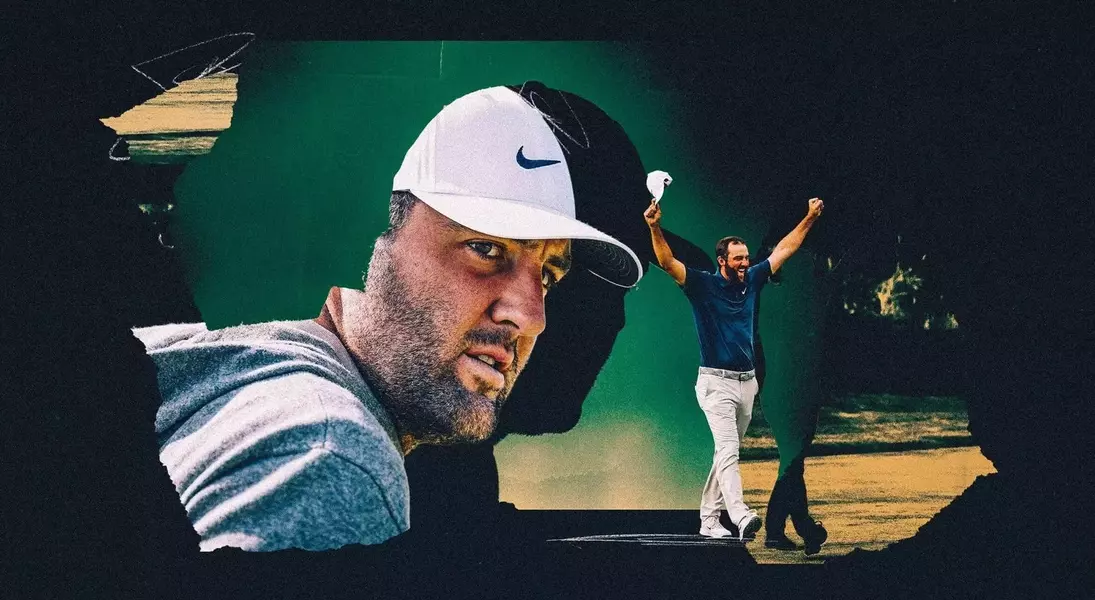
Before competing in a significant tournament, Scottie Scheffler, the world's leading golfer, made an unusual revelation to the press. He openly questioned the ultimate purpose of his relentless pursuit of victory. Despite his recent string of successes, including his fourth major title in just over three years, Scheffler expressed that while winning provides a sense of accomplishment, it doesn't satisfy the deepest longings of his heart. His candid remarks about prioritizing faith and family over golf, stating that his career would cease if it negatively impacted his home life, offered a rare glimpse into the mindset of a top athlete who views his sport as a blessed profession rather than his sole identity.
The Post-Victory Void: Echoes Across Elite Sports
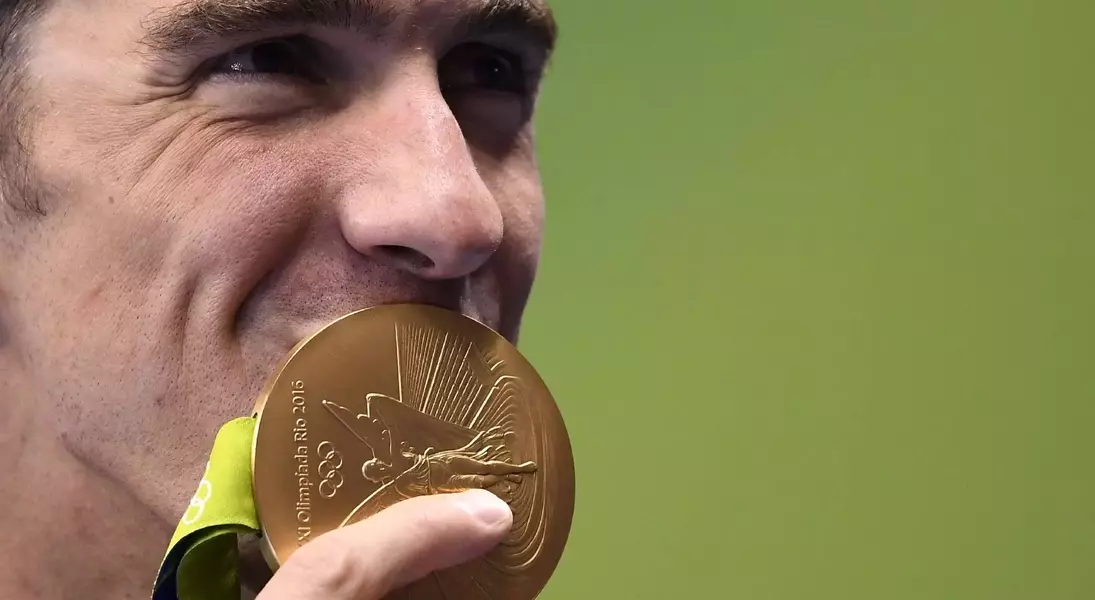
Scheffler's sentiments are not isolated. Many prominent athletes have voiced similar experiences of emptiness following their greatest achievements. NFL quarterback Aaron Rodgers reflected on feeling lost after his Super Bowl win, asking if he had pursued the wrong kind of happiness. Boxer Tyson Fury described a "void" after becoming world heavyweight champion, feeling that the "pot of gold" was missing despite reaching his childhood dream. Even Michael Phelps, the most decorated Olympian, spoke of periods of depression after each Olympic Games, highlighting a psychological phenomenon where the peak of achievement can paradoxically lead to a profound emotional low. These accounts suggest that the overwhelming focus and sacrifice required to reach the top can leave athletes questioning "what's next?" once their ultimate goal is realized.
Redefining Success: Beyond Ego and Outcomes
According to sports psychologists, Scheffler's perspective transcends the typical ego-driven pursuit of success. His questioning of golf's ultimate point suggests a spiritual search for meaning beyond trophies and accolades. This non-ego-driven approach, particularly for a young athlete, is seen as rare and potentially influenced by his devout Christian faith. The notion that an athlete's identity is separate from their performance is crucial for long-term well-being and sustained excellence. True fulfillment, it is argued, comes not from achieving specific outcomes, but from embracing a larger purpose that integrates their athletic life with their personal values and relationships.
The Journey as Purpose: Finding Joy in the Daily Grind
Performance psychology emphasizes the distinction between a goal and a purpose. While goals are finite achievements, purpose is a continuous journey. Athletes who find their sport aligning with a deeper vocation experience greater happiness and sustained success, akin to those who pursue passion over monetary gain. This perspective resonates with Olympic rowing champion Helen Glover, who, despite initially believing Olympic gold would guarantee lasting happiness, found true fulfillment in the daily process of striving for excellence with her teammates, asking "How good can we be?" rather than solely "Can we win?". This shift from outcome-dependent joy to process-driven satisfaction is key for enduring motivation and avoiding the post-victory letdown.
The Elusive Reward: Disproportionate Effort and Fleeting Triumphs
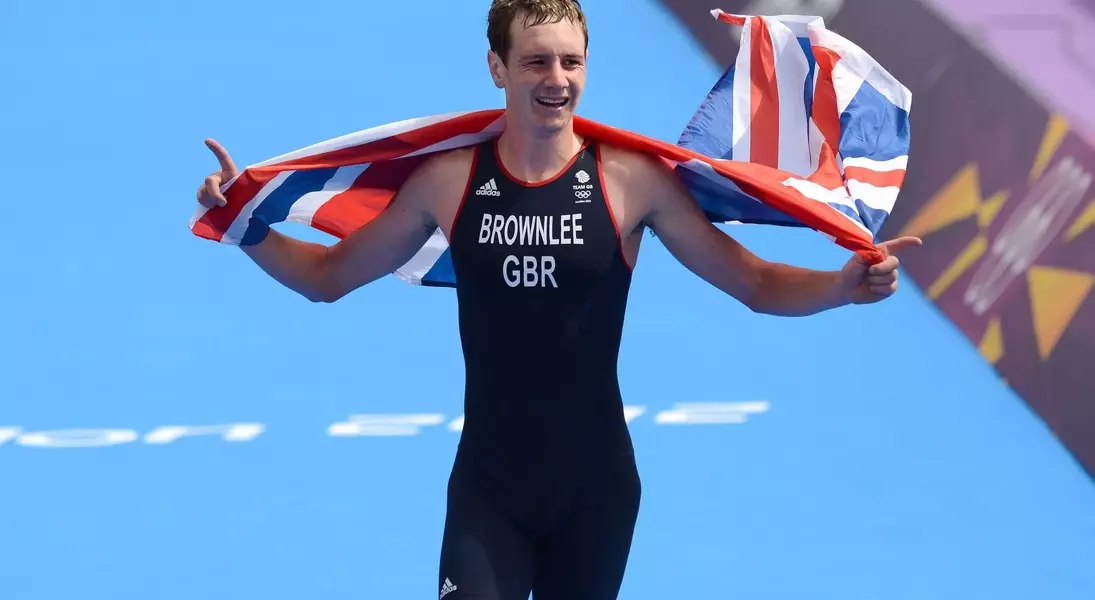
The intensity, dedication, and years of sacrifice required to reach elite status often feel disproportionate to the fleeting moment of triumph. British Olympic triathlon champion Alistair Brownlee articulated this, explaining that standing on a podium for a mere few minutes cannot compensate for a lifetime of rigorous training and sleepless nights. For many athletes, the "why" of their sport transcends just winning. It's about the inherent joy of continuous improvement, the intrinsic motivation that first drew them to their sport as children. The challenge lies in maintaining this inner drive when external pressures and outcome-focused metrics often overshadow the journey itself.
Cultivating Emotional Equilibrium: A Path to Consistent Performance
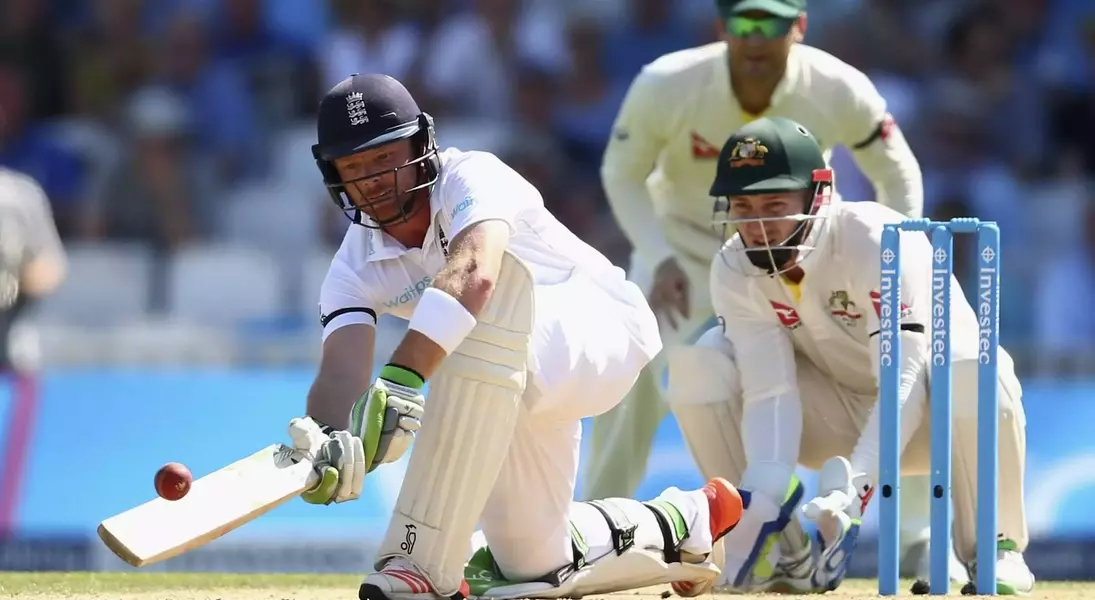
Maintaining emotional consistency, regardless of results, is a hallmark of resilient athletes. Former England cricketer Ian Bell noted that early in his career, his mood was dictated by his performance. However, with maturity, he learned the importance of separating his self-worth from game outcomes, recognizing that a good day on the field doesn't define him as a person. This mindset, echoed by Scheffler, suggests that true strength lies in a stable emotional state, where athletes aren't solely defined by wins or losses. This detachment from outcomes paradoxically frees them to perform better, as it reduces self-imposed pressure and allows for a broader perspective on life beyond the sport.
The Evolving Definition of Success: Beyond the Finish Line
The narratives of these athletes highlight that success is not a static concept; it evolves with life's stages. For some, like Helen Glover, career-defining moments might initially be everything, but with marriage and family, the sport takes on a different, more balanced role. The ability to compartmentalize one's athletic identity from other life roles becomes crucial. This personal evolution might lead an athlete to step away from their sport, or it could paradoxically extend their career by reducing the immense pressure associated with being solely defined by performance. Ultimately, the varied experiences of elite athletes underscore a vital lesson: true fulfillment often lies beyond the scoreboard, in the pursuit of a meaningful life that encompasses more than just professional triumphs.
