
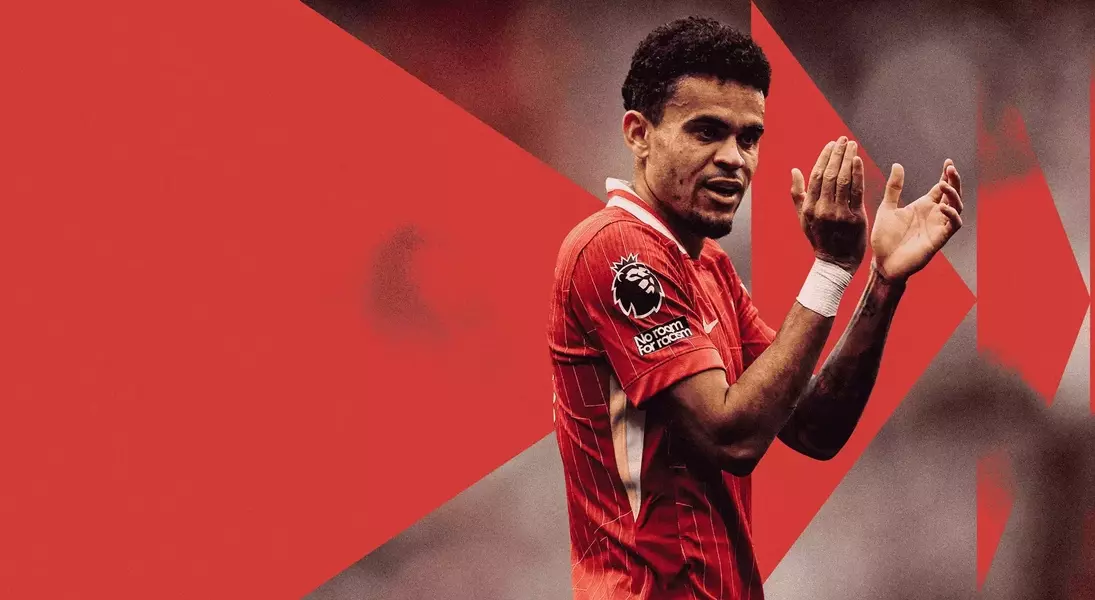
Bayern Munich's recent acquisition of Luis Diaz from Liverpool for a staggering €75 million represents a pivotal moment in the summer transfer window, significantly reshaping the attacking landscape for both clubs. This high-stakes deal, finalized after extensive negotiations, highlights Bayern's determination to bolster their offensive capabilities, while providing Liverpool with substantial funds for strategic squad adjustments. The transfer, which positions Diaz as one of the most expensive players in Bundesliga history, underscores the evolving dynamics of elite European football, where player valuation and strategic recruitment are paramount.
Diaz's Definitive Switch: Unpacking the High-Stakes Transfer
The esteemed German football powerhouse, Bayern Munich, officially announced on Sunday, July 27, 2025, the successful acquisition of dynamic forward Luis Diaz from English club Liverpool. This monumental transfer, valued at a substantial €75 million, marks the culmination of Bayern's persistent pursuit to enhance their attacking prowess throughout the summer. Initially, Liverpool maintained a steadfast position that the 28-year-old Colombian international was not available for transfer. However, their stance gradually shifted after intensive weekend negotiations, culminating in Diaz's permission to depart from Liverpool's pre-season Asian tour. He subsequently journeyed back to Europe on Monday, July 28, 2025, to formalize a contract extending until 2029, cementing his place as the third most expensive signing in the annals of German football.
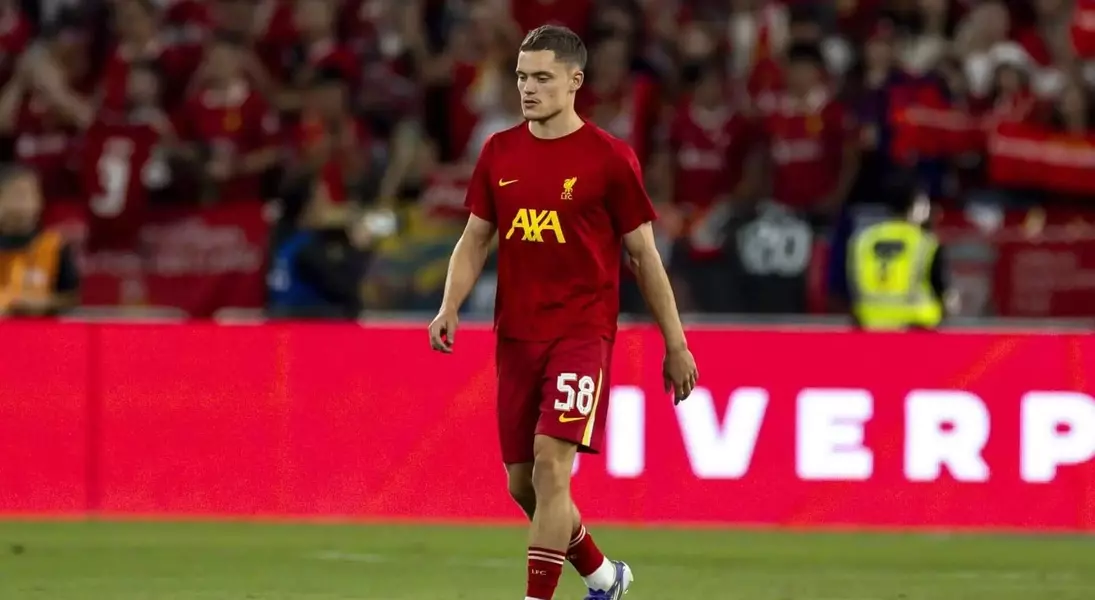
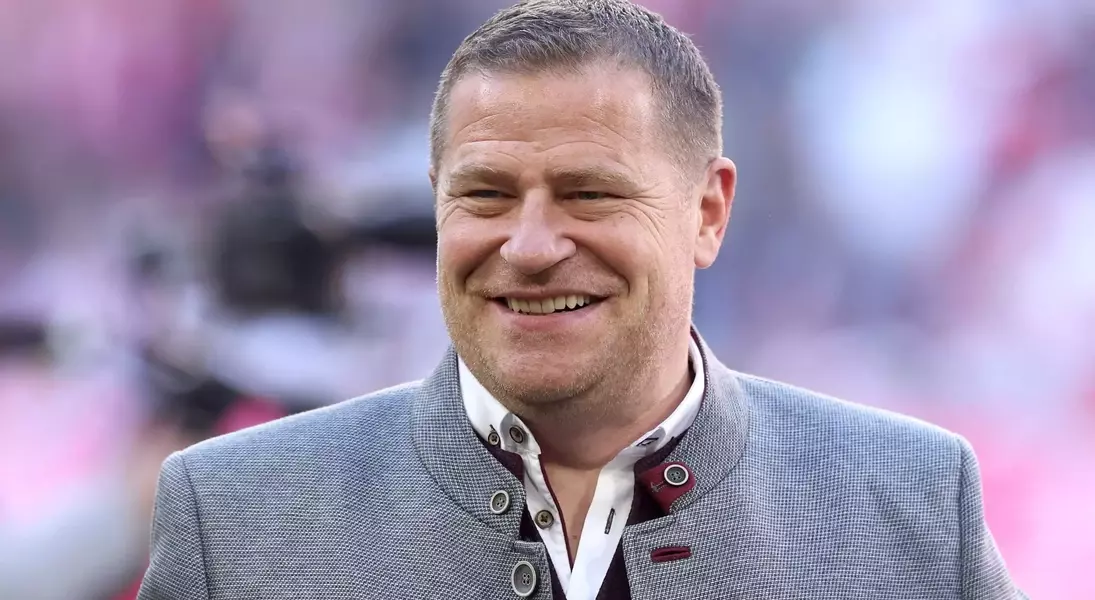
Diaz had expressed his desire for a new contract since 2024, acknowledging that his market value, at 28 years old, was at its peak. Despite two prior unsuccessful attempts to negotiate an extension, his commitment on the field remained unwavering, even during the club's pre-season tour in Hong Kong. Meanwhile, Bayern's interest intensified following their inability to secure Florian Wirtz, who opted for Liverpool. This left Bayern with considerable unspent funds and a pressing need for a high-profile offensive signing, driven by both tactical imperatives and broader club objectives. The departure of seasoned forward Thomas Muller and Leroy Sane's unexpected move to Galatasaray further underscored Bayern's need for attacking reinforcements. Sports board member Max Eberl, under increasing scrutiny, faced immense pressure to secure a major transfer after other targets, including Nico Williams, Bradley Barcola, and Jamie Gittens, proved unattainable.
Barcelona, initially a strong suitor for Diaz, saw their inquiries rebuffed by Liverpool, who deemed the player integral to their future plans. Doubts also lingered about Barcelona's financial capacity to formalize a bid. Despite Liverpool's initial resistance to Bayern's overtures, a persistent €67.5 million offer eventually led to a softening of their position. The club's transfer success in the current window, particularly after Diogo Jota's passing and subsequent support for the team, played a role. The emergence of new attacking options, including Cody Gakpo, Hugo Ekitike, and promising young talent Rio Ngumoha, coupled with the potential arrival of Alexander Isak, provided Liverpool with the flexibility to consider Diaz's departure without compromising squad strength. Liverpool ultimately accepted Bayern's final offer of €70 million with €5 million in add-ons. This transaction represents Liverpool's second-largest transfer fee received, following Philippe Coutinho's move to Barcelona in 2018, and is particularly noteworthy given Diaz's age and the absence of a sell-on clause from his 2022 transfer from Porto.
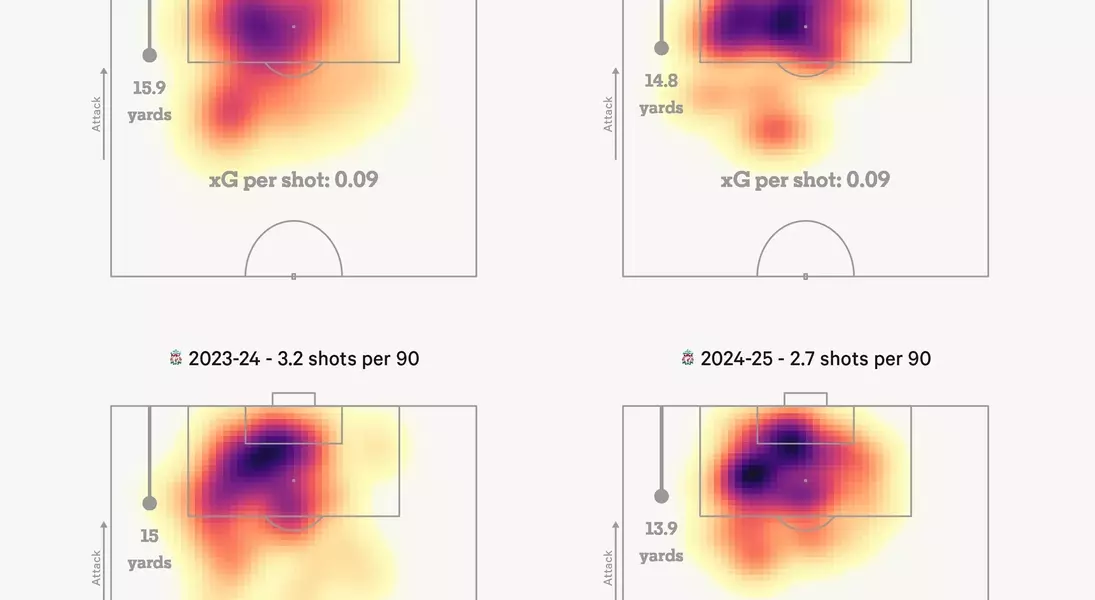
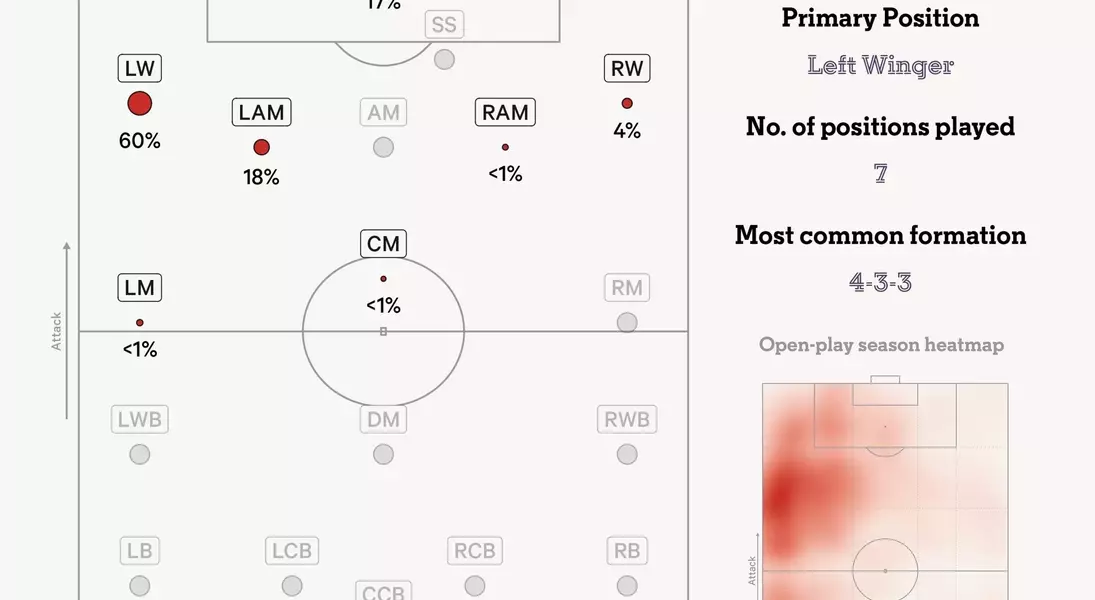
Bayern gains an exceptional talent in Diaz, a player in his prime whose intense pressing style aligns perfectly with their tactical model. His adaptability across various attacking positions, from traditional left-winger to a more central role, makes him an ideal fit for Kompany's fluid offensive scheme. His ability to link with Jamal Musiala and Harry Kane is also highly anticipated. This acquisition is seen as a significant upgrade compared to the past signing of Sadio Mane, who joined Bayern past his peak. For Liverpool, the sale offers considerable financial advantages, enhancing their Profitability and Sustainability Rules (PSR) standing. Combined with other recent sales, this deal provides ample room for further strategic investments, including a renewed pursuit of Alexander Isak from Newcastle and potential defensive reinforcements like Marc Guehi. The transfer also opens the door for other potential outgoing moves, such as Darwin Nunez, signaling an ongoing period of strategic reconstruction for both European giants.
From a journalist's perspective, this transfer saga perfectly encapsulates the high-stakes drama and intricate negotiations that define modern football's transfer market. The shifting allegiances, the financial gymnastics, and the sheer determination of clubs to secure their targets create a compelling narrative that extends far beyond the pitch. It's a reminder that success in football isn't just about what happens during a match, but also about the strategic foresight and negotiation prowess displayed behind the scenes. This move for Luis Diaz is more than just a player changing clubs; it's a strategic chess game between two of Europe's footballing titans, with implications that will ripple through the upcoming seasons for both the Bundesliga and the Premier League. The ongoing fluidity of player movements and club strategies ensures that the transfer window remains a constant source of fascination and speculation, keeping fans and analysts alike on the edge of their seats.
