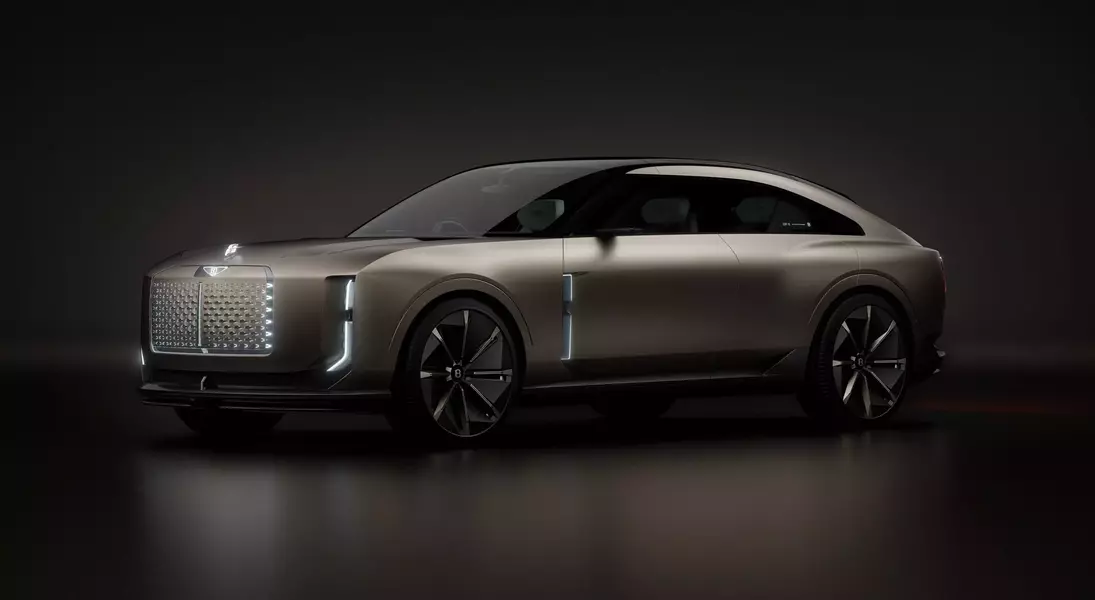
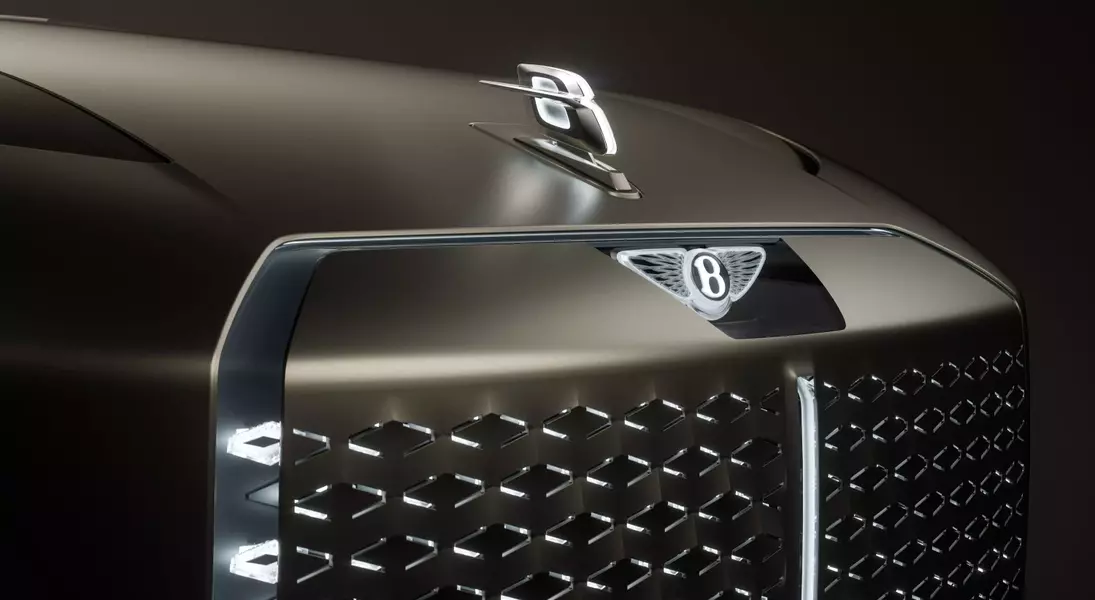
Bentley, the revered luxury automotive marque, is charting a revised course for its future powertrains, adapting to evolving market dynamics and technological advancements. While the debut of its inaugural electric vehicle remains firmly slated for early 2027, subsequent all-electric models are now projected to arrive no earlier than 2030. This adjustment stems from the Volkswagen Group's decision to discontinue its Scalable Systems Platform (SSP), prompting Bentley to pivot its long-term electrification roadmap. Concurrently, the company is intensifying its focus on plug-in hybrid technologies and is even re-evaluating the potential for exclusive gasoline-powered offerings, reflecting a pragmatic response to consumer preferences and developmental challenges.
Bentley's Evolving Drivetrain Landscape and Future Models
In a recent announcement, Bentley CEO Frank-Steffen Walliser, speaking on the company's 2025 financial performance, confirmed that despite a 5% dip in deliveries compared to the previous year, the luxury automaker maintained profitability for the seventh consecutive year. A pivotal point of discussion was the cessation of the VW Group's ambitious Scalable Systems Platform (SSP) due to its perceived non-viability. This strategic shift directly impacts Bentley's initial aspirations for a broader portfolio of electric vehicles, including a previously reported electric sedan, all of which were intended to be built on the now-shelved SSP architecture.
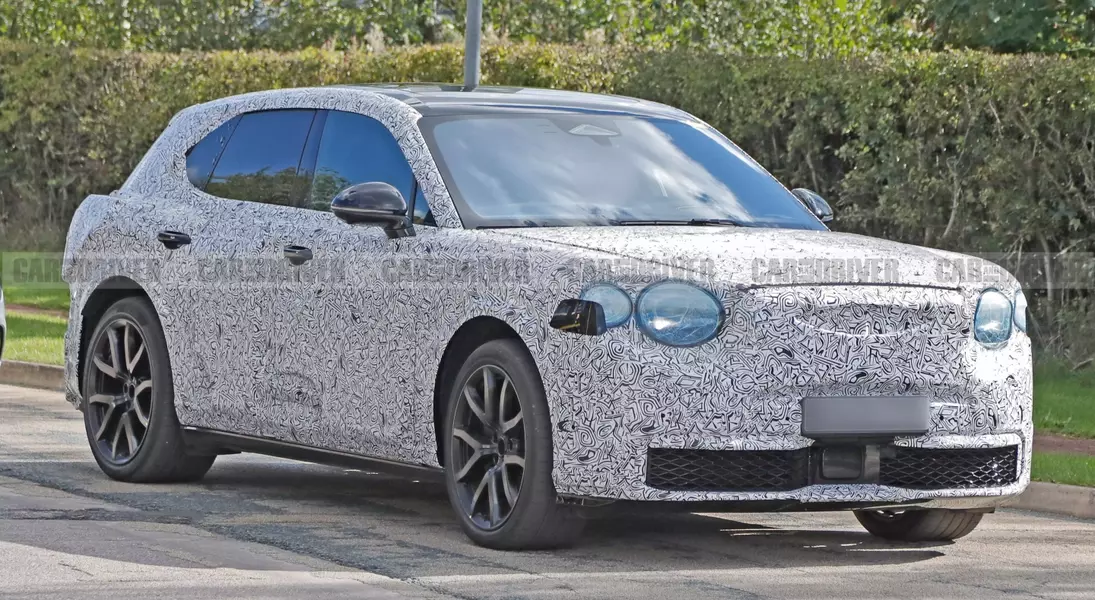
However, the development and impending launch of Bentley's first electric model remain unaffected. This pioneering EV, an SUV-like vehicle, is built on the Volkswagen Group's Premium Platform Electric (PPE) architecture, also shared with vehicles like the new Porsche Cayenne EV. Slated for revelation later this year and an early 2027 market release, this initial electric offering aims to provide a rapid charging capability, targeting an impressive 100 miles of range in just seven minutes. Walliser emphatically stated that retrofitting internal combustion engines or plug-in hybrid systems into this dedicated EV platform is not part of Bentley's strategy, underscoring its pure electric design.
Looking ahead, Bentley is significantly bolstering its commitment to hybrid technology. The company plans to integrate plug-in hybrid powertrains across its future model range, following the successful conversion of models like the new Continental GT and the Flying Spur. Notably, Walliser indicated a renewed consumer interest in gasoline-powered vehicles, leading Bentley to consider offering exclusive models with this traditional powertrain. The next-generation Bentayga, Bentley's top-selling model, is confirmed to feature a new plug-in hybrid setup, although specific details remain under wraps. While the current Bentayga generation is maturing, its popularity endures, particularly with the successful introduction of the Bentayga Speed variant. The redesigned Bentayga is not expected to debut next year, signaling a cautious and deliberate approach to its market introduction.
Bentley's recalibrated strategy highlights the complexities and dynamic nature of the automotive industry's transition to electrification. It underscores the importance of adaptability, consumer insights, and leveraging existing, proven technologies like plug-in hybrids while carefully navigating the path toward a fully electric future. The decision to slow the rollout of additional EVs and reconsider traditional powertrains demonstrates a nuanced understanding of market demands and technological feasibility, ensuring the brand's sustained success and luxury appeal.
