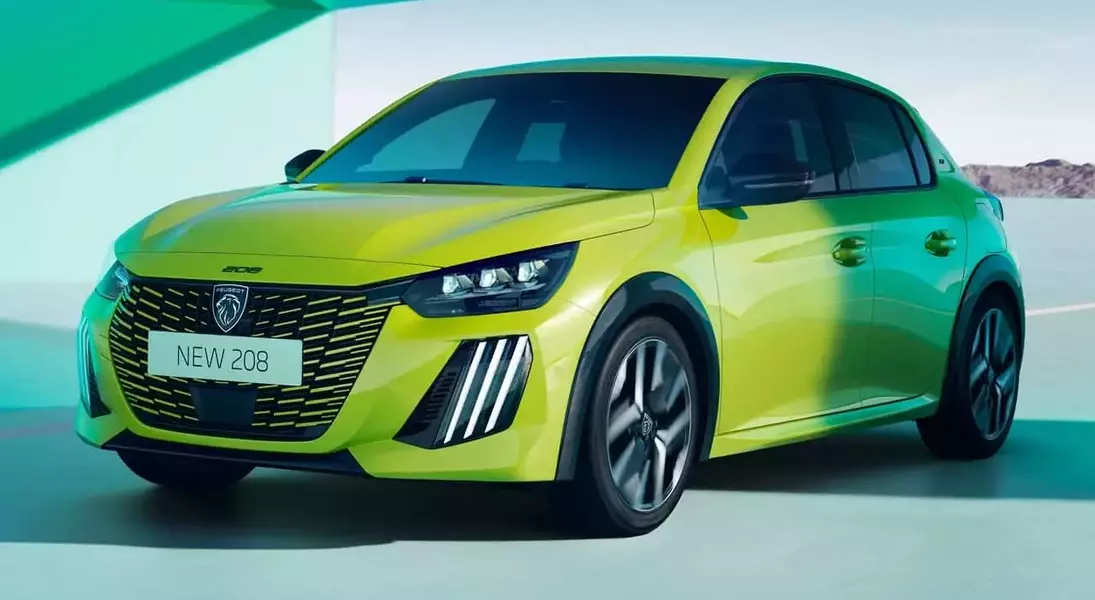
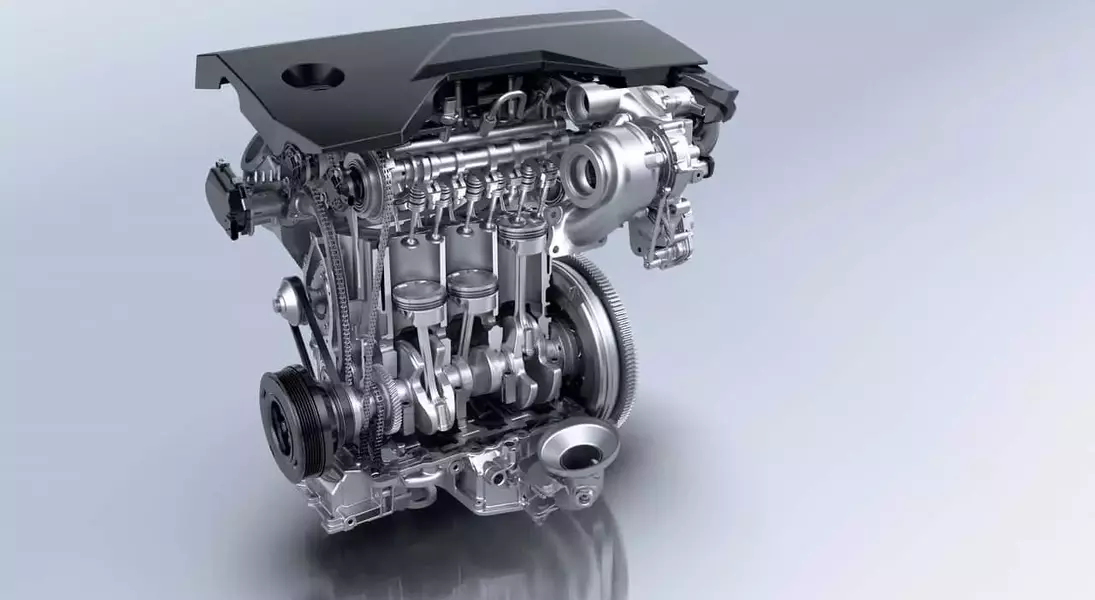
In a shifting automotive landscape increasingly focused on electric vehicles, Peugeot is making a notable statement by introducing a brand-new internal combustion engine. This development comes as the industry grapples with the practicalities of a full transition to electric, with traditional gasoline-powered cars retaining a significant market share. Peugeot's new Turbo 100 engine is designed to address previous reliability concerns and offer a robust alternative as the market evolves.
Peugeot's Bold Stride: Fueling the Future, Powering the Present
The Enduring Role of Internal Combustion Engines in a Hybrid Market
Despite the growing enthusiasm for electric vehicles, the demise of internal combustion engines has been premature. Grand pronouncements about EVs completely dominating the market within a few years have largely not materialized. While electric cars are indeed gaining traction globally, internal combustion engines continue to hold a dominant position in the automotive sector. For instance, even in the European Union, a region with strong EV adoption, electric vehicles constituted only 17.4 percent of new car sales in 2025, according to the European Automobile Manufacturers' Association. This data underscores the ongoing importance and market presence of traditional powertrains.
Peugeot's Strategic Shift: Addressing Past Challenges with Innovation
Recognizing this market reality, even Stellantis, Peugeot's parent company, has adjusted its ambitious timelines for an all-electric future. In response, Peugeot is launching a new combustion engine, known as the Turbo 100, specifically engineered to rectify previous performance issues. This new iteration sheds the problematic "PureTech" designation, which had been a source of concern for many owners, opting for a more direct and confidence-inspiring name.
Engineering Enhancements: A Focus on Durability and Efficiency
While maintaining a 1.2-liter, three-cylinder configuration, the new Turbo 100 engine introduces critical advancements aimed at bolstering reliability. A significant change is the replacement of the notorious wet belt, which operated immersed in oil and often led to issues, with a more durable timing chain. Peugeot highlights that approximately 70 percent of the engine is new, featuring comprehensive upgrades to key components like the cylinder block, turbocharger, and fuel injection system. These enhancements are designed to provide a more dependable and efficient power unit.
Performance and Innovation: Balancing Power with Practicality
The Turbo 100 engine incorporates the Miller cycle to boost thermal efficiency, utilizing a higher compression ratio. Engineers have also developed a sophisticated new valve timing system to minimize internal friction and a variable-geometry turbocharger to improve low-end responsiveness. This three-cylinder unit generates 100 horsepower at 5,500 rpm and 151 pound-feet (205 Newton-meters) of torque from 1,750 rpm. While it may not deliver exhilarating performance, Peugeot's primary goal is to assure buyers of its enhanced reliability. Extensive testing, including 30,000 hours on test benches and over three million kilometers (1.86 million miles) in test vehicles, with some exceeding 200,000 km (124,000 miles), supports these claims.
Market Rollout and Industry Implications: The Path Forward
The new Turbo 100 engine is scheduled to be introduced in the 208 supermini this month in Europe, with the 2008 crossover following in May. This strategic release underlines the continued necessity for internal combustion engines, particularly given the uneven development of EV charging infrastructure and the generally higher price point of electric models compared to their gasoline counterparts. Furthermore, recent adjustments to the EU's 2035 ban on new combustion-engine car sales, which now allow for some ICE-powered models beyond that deadline, provide manufacturers like Stellantis with greater flexibility. This nuanced approach acknowledges that the automotive industry's transition to a fully electric future will be a gradual and complex process.
