Beatrice Gibson's debut feature, "At Night," offers a profound exploration of motherhood and womanhood, challenging conventional narratives through its unique poetic structure and raw, analogue aesthetic. Premiering at the Locarno Film Festival, the film intertwines dream, fiction, and reality as it follows six women navigating a single night in Paris.
Unveiling Feminine Journeys: A Nocturnal Parisian Odyssey
The Poetic Foundation: Alice Notley's Influence
The film "At Night," directed by Beatrice Gibson and first shown at the Locarno's Filmmakers of the Present program on August 8, begins with an inspiring quote from poet Alice Notley: "I am a tone of voice, warming, shifting, pausing, changing, including, asserting, exulting, including, turning and including." Gibson, who had a personal connection with Notley, drew heavily from Notley's impactful 1992 feminist work, "The Descent of Alette," along with Kathy Acker's "Don Quixote," to construct a narrative about a group of women whose lives intersect during one Parisian evening.
Poetry as a Narrative Thread: Connecting Lives and Spaces
Poetry serves as more than just an introductory element; it is integral to the film's narrative fabric. Gibson notes that Notley's focus on "non-compliance" deeply influenced her, highlighting poetry's capacity for formal and thematic experimentation. In the film, poetic verses are delivered through staged acts, voiceovers, and subtle moments, such as a character watching a video of a poem recitation on a dark street corner. These instances transform poetry into a resonant link, uniting diverse characters, settings, and storylines.
Exploring Intersectional Dynamics: Bea and Didi's Relationship
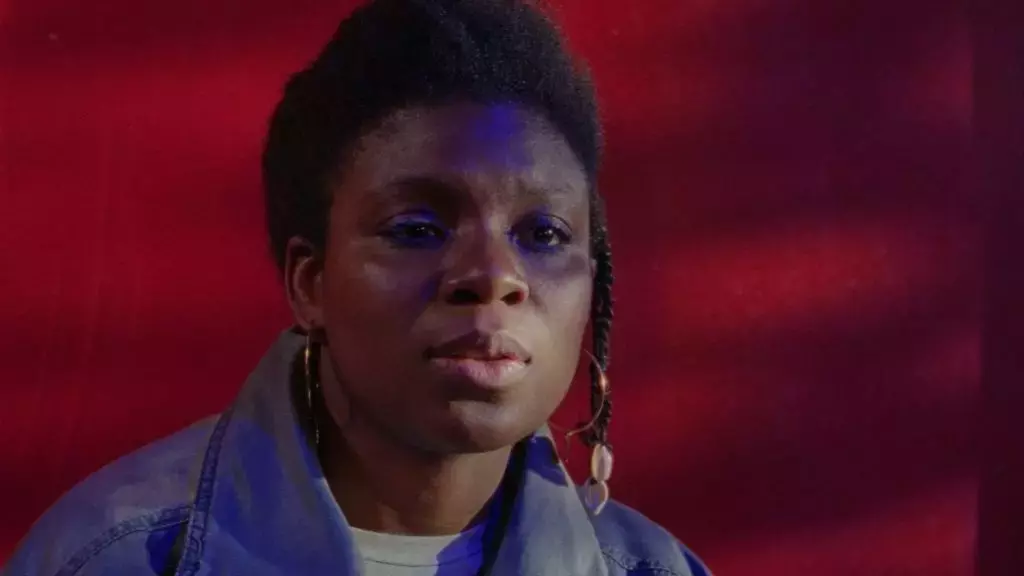
The core of "At Night" lies in the evolving relationship between Bea, a filmmaker portrayed by Gibson, and Didi (Diocouda Diaoune), who was formerly Bea's colleague and employee. Their interactions are fraught with tension stemming from racial and class disparities. A pivotal scene features an open dialogue about how these societal pressures impact their bond. Through their dynamic, Gibson delves into what she terms the "polarities and asymmetries" that arise from the "intersectional gathering of people" that defines her project.
Confronting Disparity: An Artistic Approach to Power Imbalance
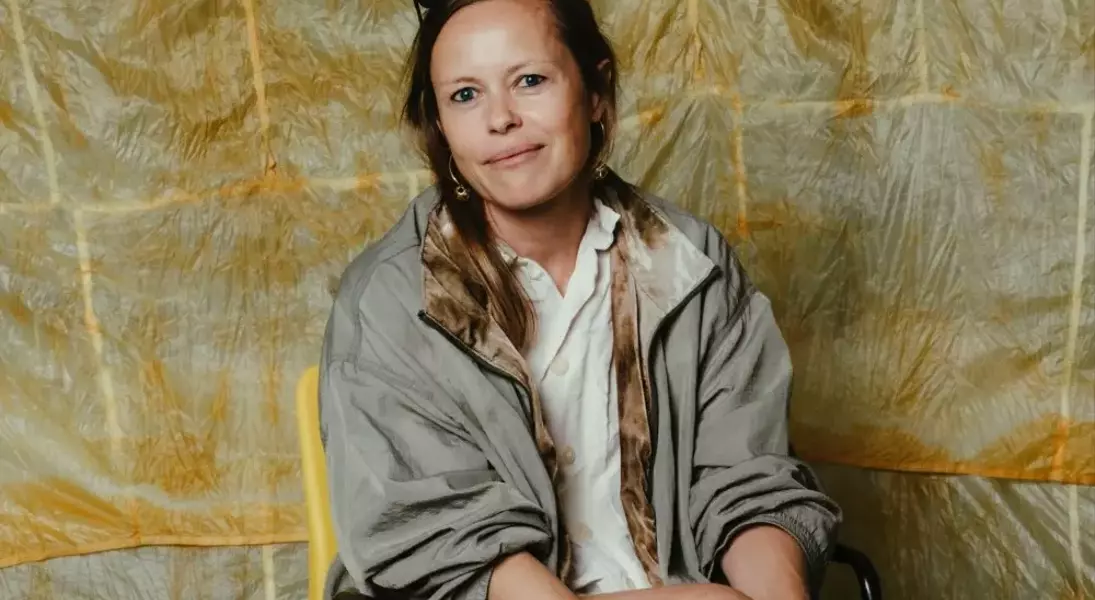
Reflecting on her artistic background, Gibson emphasizes the privilege of being taught to "stay with the trouble." This philosophy guided her decision to openly portray the power imbalance between Bea, a successful white artist, and Didi, a Black single mother living in precarious housing. Gibson's approach was to "make it a part of the film and not run away from it." The film's poetic framework allows for the exploration of such difficult themes without resorting to simplistic resolutions. Gibson describes the film as a "question in cinematic form," probing how one can exist within these "crushing polarities."
Collective Autofiction: The Broadening "I"
Gibson characterizes "At Night" as a "collective autofiction." What begins as a personal voicemail from Bea to Didi gradually expands to embrace a wider array of female voices. A particular scene features women from different backgrounds gathered around a restaurant table, sharing their experiences of motherhood and sexuality. This discussion evokes the spirit of feminist consciousness-raising groups from the 1970s, which, along with Nell Dunn's 1965 book "Talking to Women," significantly shaped the film's structure.
Celebrating Midlife Revelations: A Unique Cinematic Perspective
It was important for Gibson to portray women navigating what might conventionally be labeled a "midlife crisis," though she prefers the term "midlife revelation." She notes that this phase of women's lives is rarely depicted in cinema, yet it is "existentially fantastic." The film aims to shed light on these profound and transformative experiences.
The Analogue Dreamscape: Texture and Presence
While poetry forms the narrative backbone, the film's grainy analogue footage, captured by Ben Rivers, imparts a dreamlike quality. A sequence showcases nocturnal Paris: a glowing metro entrance, a partially shuttered corner shop, and autumn leaves dancing across deserted streets. The subtle whirring of the analogue camera in the background highlights the physical nature of the medium and intensifies the sense of time passing. Gibson states that shooting on analogue renders everything in the "present tense," contrasting with the "digital logic" that often seeks a predetermined outcome. It's about "just being in space with these characters."
Motherhood Redefined: Personal and Political Intersections
Gibson's focus on the unique experiences of her characters is where the feminist principle of "the personal is political" truly resonates. This idea also informs her portrayal of motherhood, a central theme that remains subtly present. No children appear on screen; instead, we see a woman taking a hushed phone call with her daughter or sending a late-night text to her partner about baby food. The women in "At Night" engage with motherhood in diverse ways—embracing it, avoiding it, or mourning its absence.
Breaking Free: Reimagining Female Selfhood
Gibson explains that the women are "escaping in this non-compliant, non-conformist way," as they are "constructed to do things they shouldn’t be doing." Bea, for example, temporarily steps away from the traditional nuclear family structure to focus on her film. When motherhood is not confined to duty, new avenues for female self-discovery emerge. Through these individual stories and their collective impact, "At Night" presents womanhood and motherhood not as fixed endpoints but as dynamic, ongoing inquiries.
