In storytelling, particularly within the realm of fairy tales, audiences readily accept fantastical scenarios without probing too deeply into their rationales. However, when narratives ground themselves in reality, the demand for logical consistency intensifies. Salvatore Mereu's recent three-hour cinematic endeavor, "Wandering Trees," grapples with this very dilemma. Known for his distinctive directorial style and profound connection to Sardinia's landscape and indigenous customs, Mereu ventures into a modern fairy tale that juxtaposes the reverence for nature with its exploitation. Yet, the film encounters significant hurdles, primarily a jarring thematic dissonance between its ethereal fairy tale framework and its starkly realistic undertones, which ultimately impede its otherwise complex storytelling.
Mereu's consistent stance as an outsider in Italian cinema is rooted in his celebration of Sardinia's unique rhythms and ancient heritage, positioning his work as a challenge to broader Italian cultural assimilation. His films often blend a signature visual artistry with an almost spiritual regard for the land, advocating for a disappearing rural way of life. While he frequently embraces narrative innovation, "Wandering Trees" reveals a fundamental misstep in dramatic construction. The filmmaker's inherent appreciation for aesthetic beauty and the natural world remains unwavering, but the narrative's capacity to engage the audience is compromised when logical questions persistently arise, disrupting the suspension of disbelief.
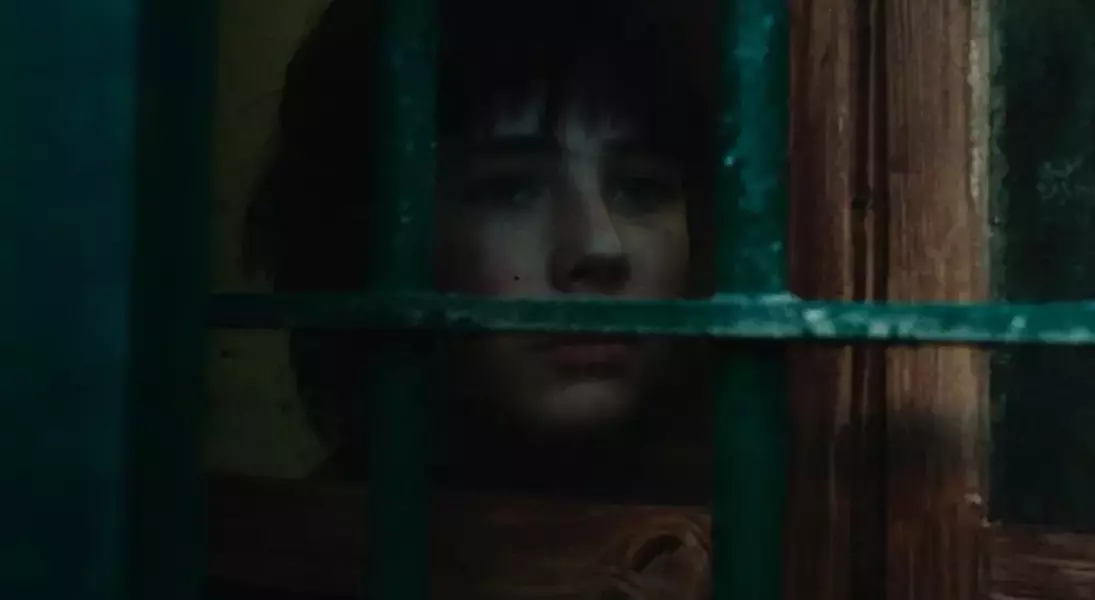
The film introduces Piero Arca, a character deeply connected to the land and dedicated to caring for rescued animals alongside his son, Giuliano. Their harmonious existence contrasts sharply with the views of their neighbors, particularly Sebastiano Nonne, whose family embodies a destructive attitude towards nature. This conflict escalates into verbal assaults and physical threats, showcasing the stark divide between those who cherish the environment and those who seek to dominate it. As Giuliano matures and faces personal tragedy, he embarks on a quest that leads him to a mystical forest, where he encounters other kindred spirits. Meanwhile, a parallel narrative unfolds involving Maddalena, a graceful figure who represents the archetypal princess, and Sebastiano's rigid soldier son, Michelangelo. The film builds towards an inevitable encounter between these disparate worlds, aiming to resolve the central conflict.
Despite its aspirations, "Wandering Trees" often falls into predictable fairy tale patterns, with many elements feeling overly explicit, such as the symbolic stuffed birds in the Nonne residence or Giuliano's immersion in Giacomo Leopardi's renowned nature poem, "L'Infinito." The characters of Emiliano and Maddalena's sisters are underdeveloped, seemingly included more for traditional fairy tale conventions than for substantive plot contribution. While the film's source material, Alberto Capitta's novel, may bear some responsibility for these issues, effective adaptation necessitates a seamless transition to the screen. Mereu's adept direction of his cast, particularly Romeo Perrone and Giulia Maenza, along with Francesco Piras's exquisite cinematography that captures the beauty of the natural world, are undeniable strengths. However, the film's core challenge lies not in its evocative imagery, but in its meandering storyline, which requires a more firmly anchored narrative structure to truly flourish.
