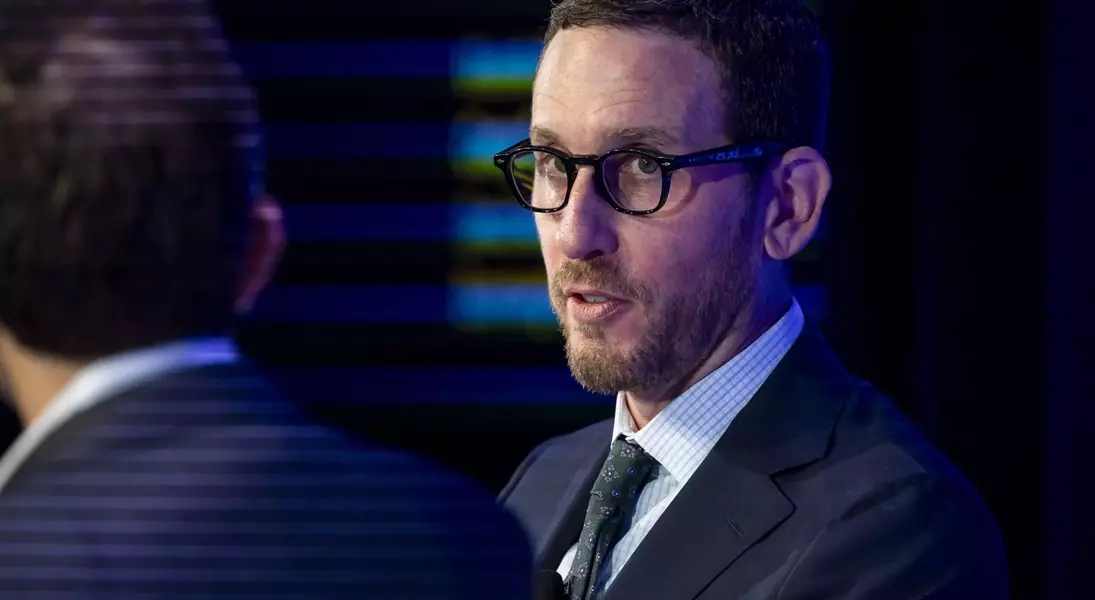

In recent years, concerns over the potential dangers of advanced artificial intelligence have escalated, with technologists and scientists sounding the alarm. However, in 2024, these warnings were overshadowed by a more optimistic vision of generative AI promoted by the tech industry. This shift has sparked a debate between those advocating for rapid AI development and those calling for caution to prevent potential societal harm. The year saw significant developments in AI policy, including the failure of California's SB 1047 bill, which aimed to mitigate catastrophic risks posed by AI systems. Despite setbacks, proponents of AI safety remain determined to push forward with regulatory efforts in 2025.
Debate Intensifies as AI Development Surges
In the vibrant autumn of 2024, the discussion around artificial intelligence reached new heights. As technology enthusiasts envisioned a future where AI would revolutionize industries and improve lives, others raised concerns about the unforeseen consequences of unchecked AI advancement. In the heart of Silicon Valley, where innovation thrives, voices from both sides of the debate grew louder. Leading figures like Elon Musk and over a thousand technologists and scientists called for a pause on AI development, warning of profound risks. Meanwhile, entrepreneurs like Marc Andreessen championed an aggressive approach, arguing that rapid development was essential for competitiveness and progress.
President Biden's executive order aimed to protect Americans from AI risks, but this initiative faced opposition from incoming President-elect Donald Trump, who planned to repeal it. The narrative surrounding AI shifted dramatically, with some viewing it as a tool for salvation while others feared its potential for destruction. The battle over AI regulation came to a head with California's SB 1047 bill, which sought to address long-term risks but ultimately failed due to perceived flaws and lobbying efforts from tech giants.
Despite setbacks, advocates for AI safety remain undeterred. They argue that the public's growing awareness of AI risks will lead to more robust regulatory measures in the coming year. Policymakers are now focusing on practical solutions to immediate AI-related issues, such as content moderation and data privacy, while preparing for the broader challenges that lie ahead.
Reflections on the Future of AI Regulation
As we reflect on the events of 2024, it is clear that the debate over AI regulation will continue to evolve. The year revealed the complexities involved in balancing innovation with safety. While some view AI as a powerful tool for solving global challenges, others remain cautious, emphasizing the need for responsible development. The failure of SB 1047 serves as a reminder that achieving consensus on AI policy is no easy task. Moving forward, it is crucial for stakeholders to engage in constructive dialogue, ensuring that AI advancements benefit society without compromising safety or ethical standards. Ultimately, the path forward lies in finding a balance between optimism and vigilance, fostering an environment where AI can thrive responsibly.
